Blog
Diesel vs Gas Mini Excavators: Which Should You Buy?

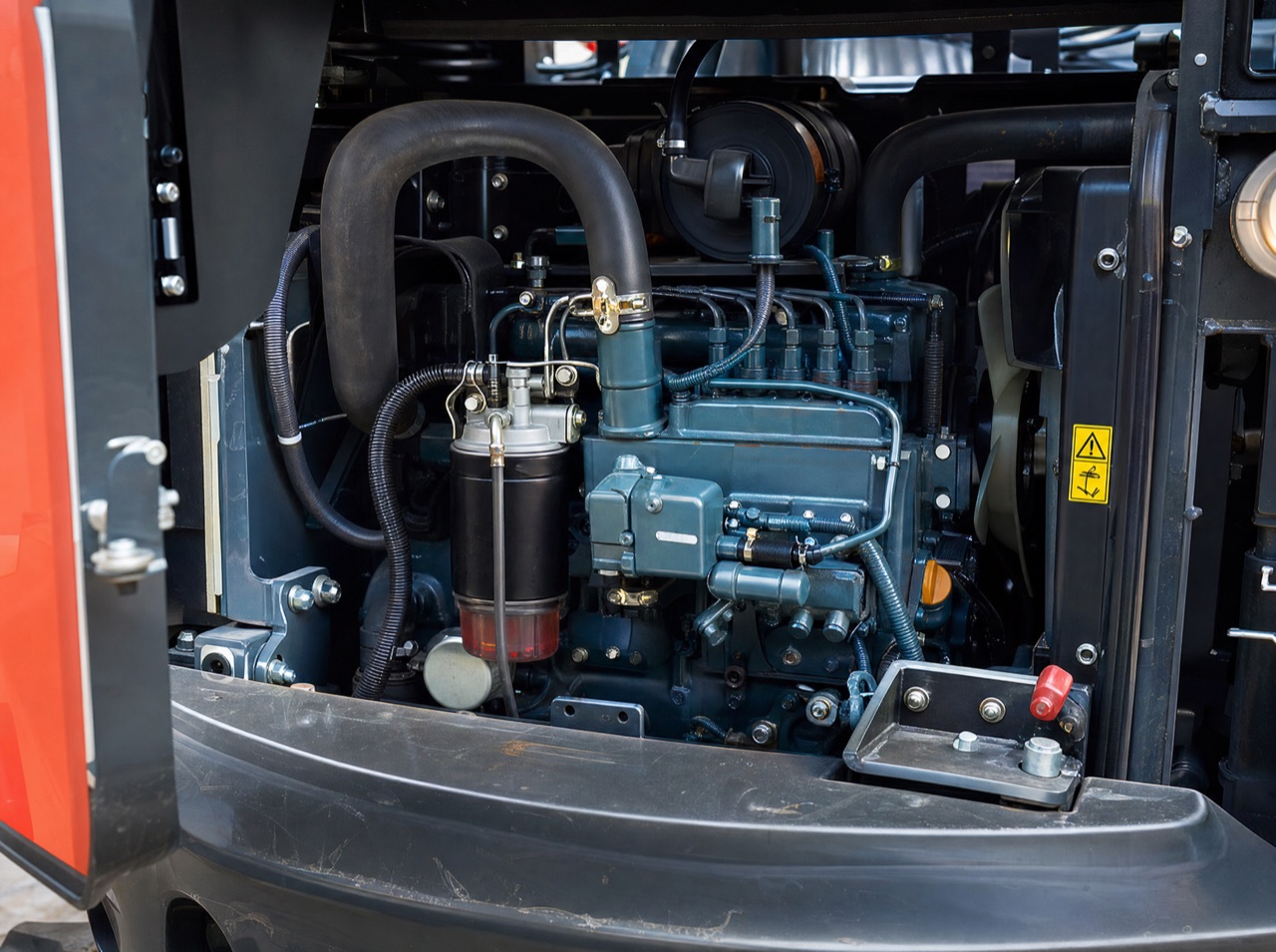
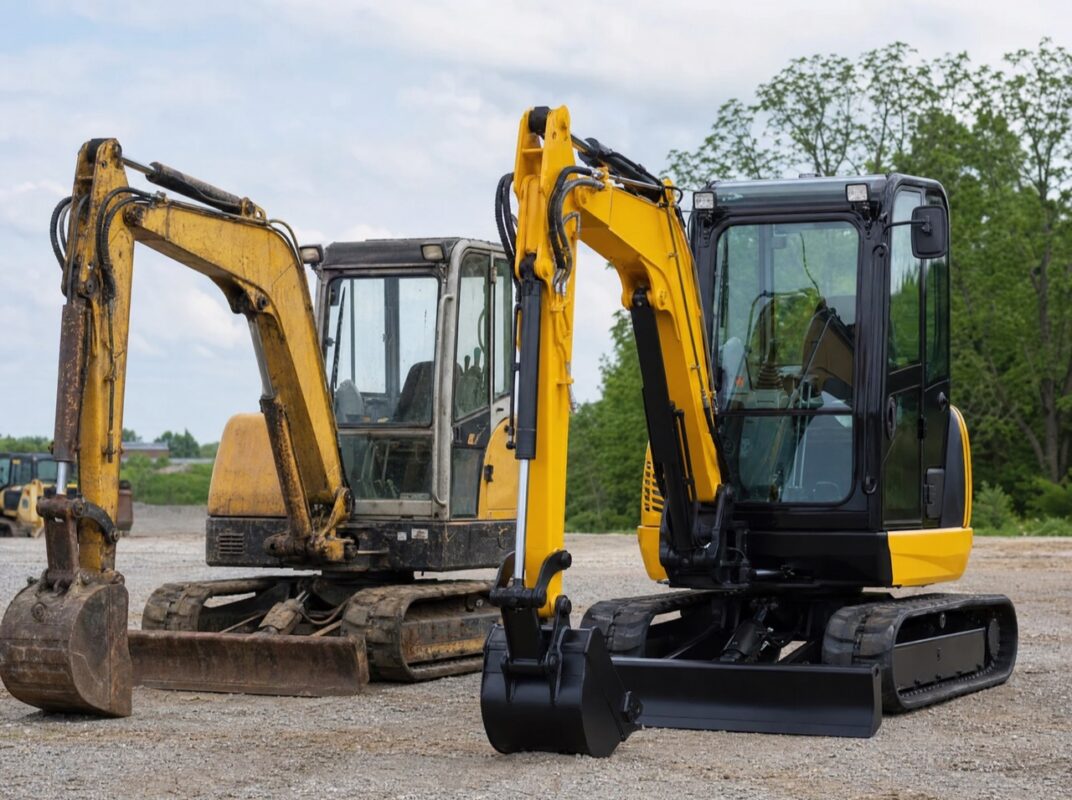
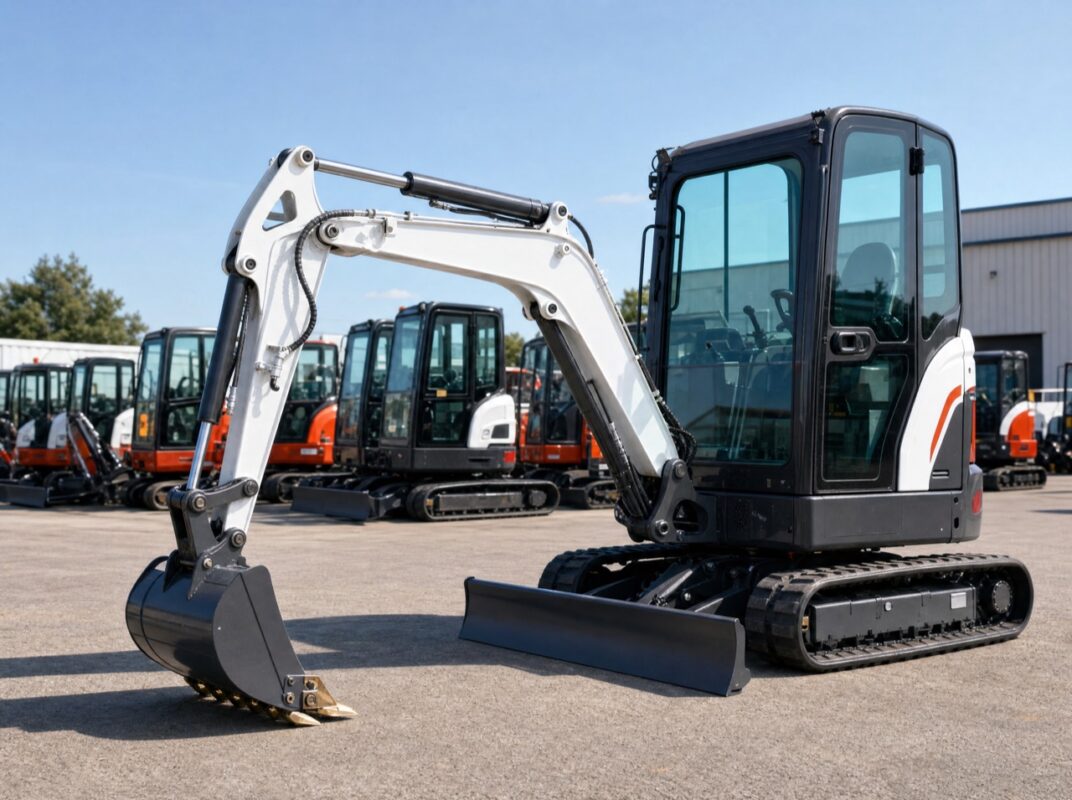
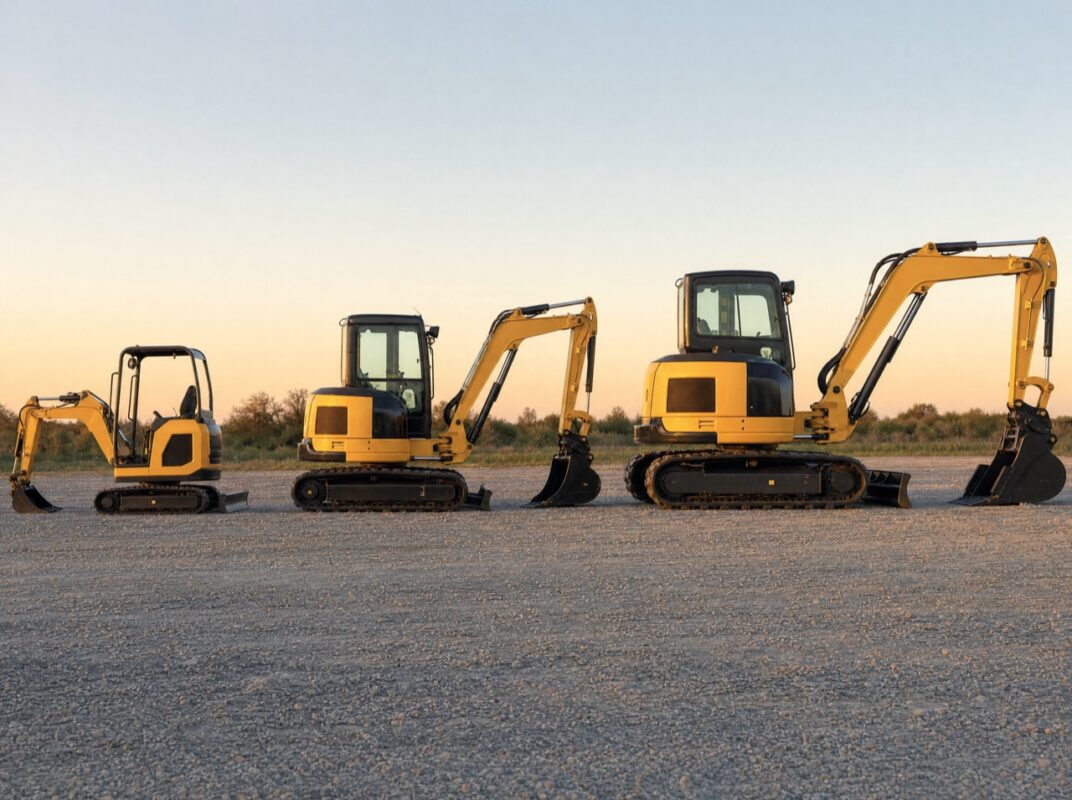
If you are shopping for your first compact machine, the diesel vs gas mini excavators question comes up fast, and the answer shapes everything from your fuel bill to how the machine holds up after a few hundred hours. Most full-size compact excavators in the 1 to 6 ton class run diesel for good engineering reasons, while gas tends to appear on the smallest mini diggers and many mini skid steers. Below we break down how the two engine types really differ in the field so you can match the right machine to your work.
Why most mini excavators run diesel
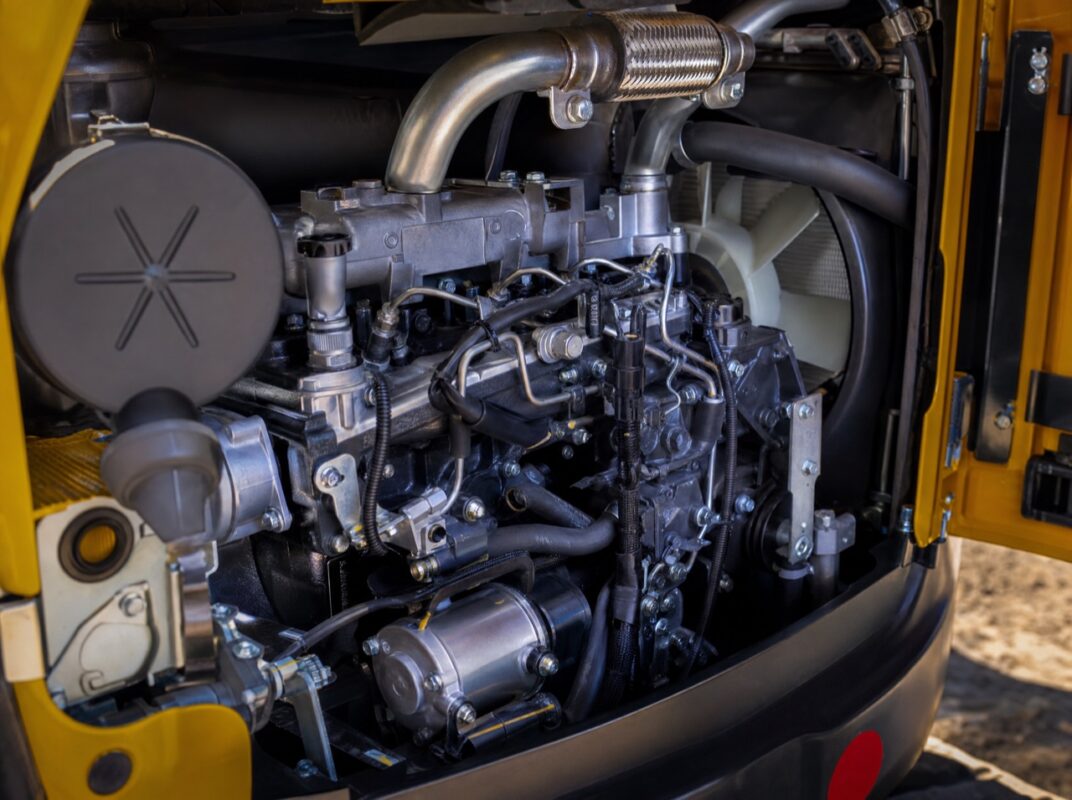
Walk any jobsite and you will notice the same pattern: the heavier the digging, the more likely the machine burns diesel. That is not marketing. Diesel engines produce more low-end torque per liter than gasoline engines, and torque is what lets a machine break hard-packed clay, curl a full bucket, and push through tree roots without bogging down. A diesel mini excavator also turns hydraulic pumps more efficiently under sustained load, which is exactly the kind of work an excavator does all day.
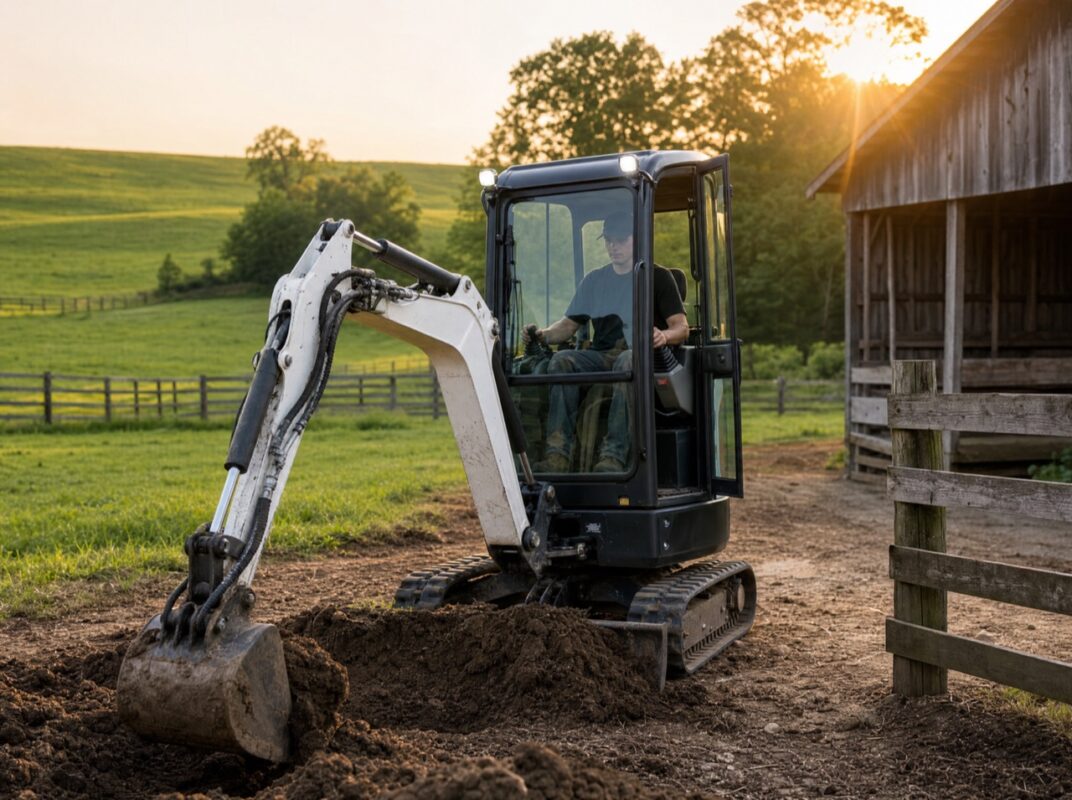
Genuine Kubota diesel engines are a big part of why the platform is trusted across farms, ranches, and contracting crews. They are built for continuous duty, they run cooler under load than you might expect, and they are designed to deliver consistent power as the hours pile up. When you browse our mini excavators, the diesel powerplant is doing the heavy lifting on grading, trenching, and demolition tasks.
Where gas engines still make sense
Gas is not a downgrade in every situation. On the very smallest equipment, a gasoline engine is lighter, starts easily in cold weather without a glow-plug wait, and costs less up front. For lighter-duty jobs, intermittent weekend use, or tight residential spaces where a 1-ton machine is plenty, a gas-powered unit can be the smarter buy. Gas also tends to be quieter, which matters in noise-sensitive neighborhoods.
Diesel vs gas mini excavators: head-to-head
Here is how the two engine types stack up on the factors buyers ask about most:
- Torque and digging power: Diesel wins for sustained, heavy work. Gas is fine for light digging and short cycles.
- Fuel efficiency: Diesel typically delivers more work per gallon under load, so your cost-per-hour drops on long jobs.
- Up-front price: Gas engines are usually cheaper to buy. Diesel commands a premium that pays back over time on hard-working machines.
- Engine lifespan: Diesels are built for high hours and continuous duty, so they often outlast gas engines in demanding service.
- Cold starts: Gas fires up instantly. Diesel uses glow plugs and may need a few seconds to warm in very cold weather.
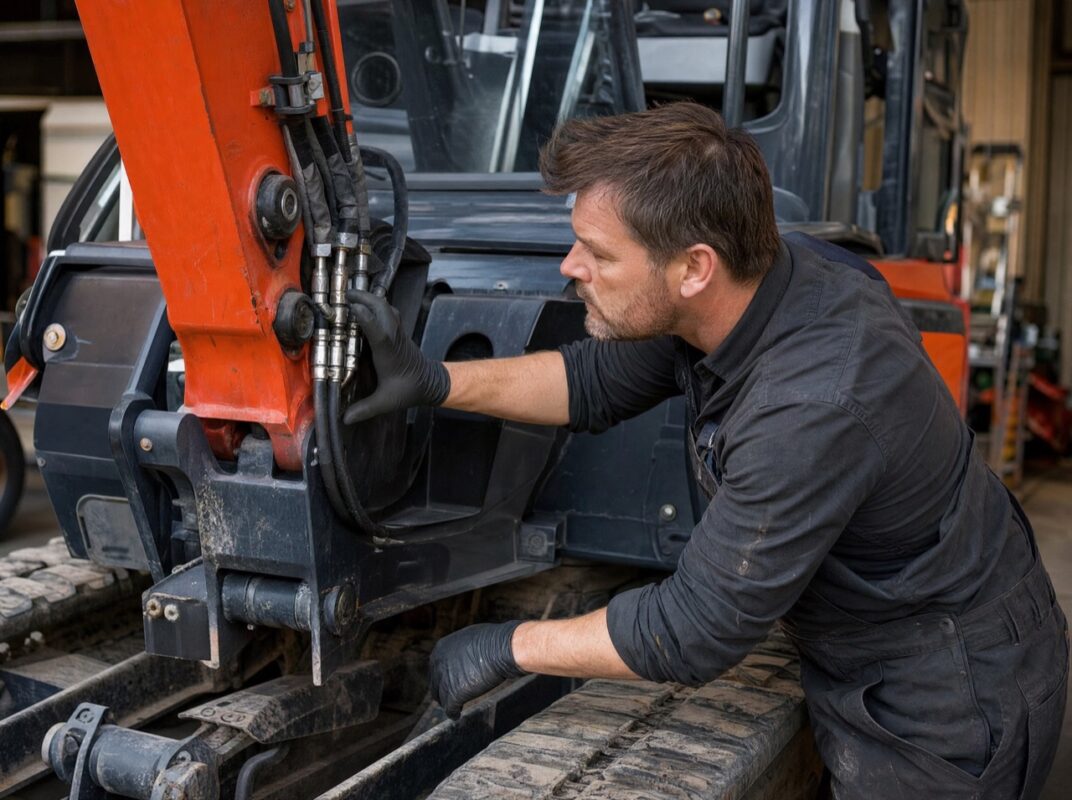
- Maintenance: Diesel has no spark plugs to foul but adds fuel filters and, on modern units, emissions hardware. Gas maintenance is simpler but more frequent.
- Resale value: Diesel compact equipment generally holds value better because the buyer pool of working professionals prefers it.
Total cost of ownership, not just sticker price
The smartest way to compare diesel vs gas mini excavators is to look past the purchase price and run the numbers over the life of the machine. A diesel unit may cost more on day one, but if you log real hours, the better fuel economy and longer engine life usually close that gap and then move in your favor. Add stronger resale value and the diesel often becomes the cheaper machine to own over five years.
Gas flips the math for low-hour owners. If you dig a few weekends a season, plant trees, run a small landscape side business, or just maintain your own acreage, you may never put enough hours on the machine to recover a diesel premium. In that case the lower entry cost of gas, plus simpler routine upkeep, is the rational choice. The same logic applies when you compare our mini skid steers, where lighter gas powerplants are common and well suited to material handling and attachment work.
Match the engine to the job
- Heavy daily digging: trenching utilities, footings, ponds, demolition. Choose diesel for torque and durability.
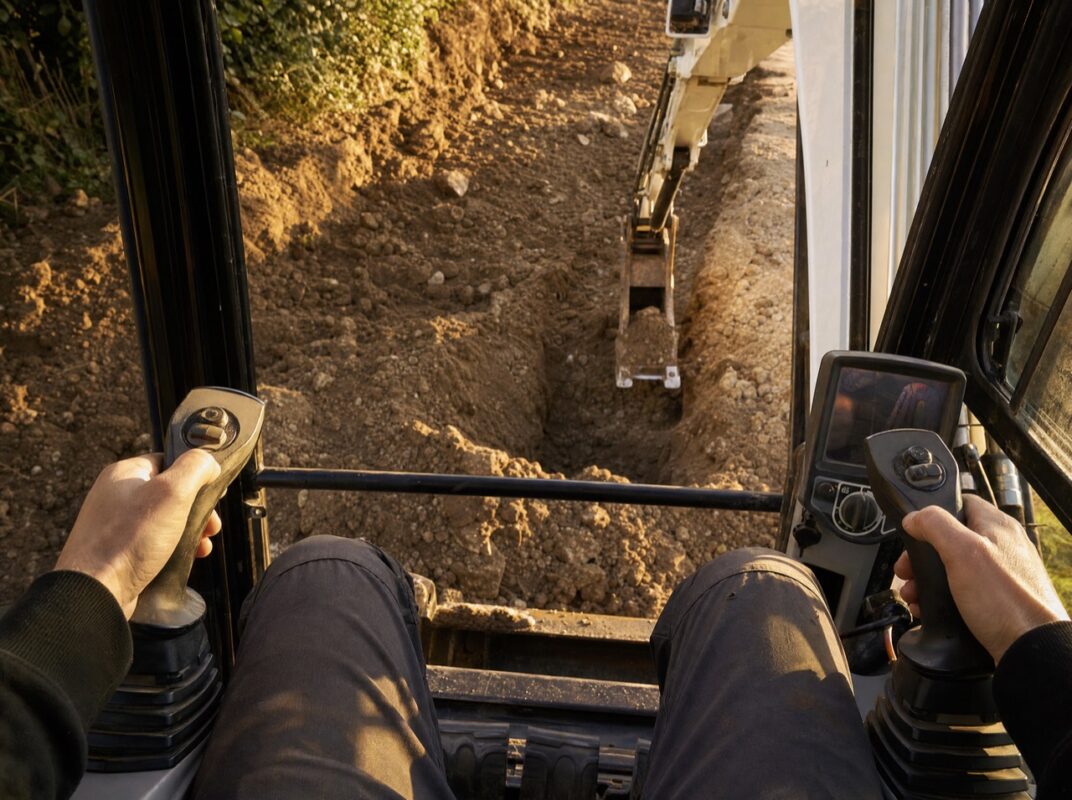
- Mixed property work: grading driveways, clearing brush, moving dirt on a farm or ranch. Diesel is the safe, long-haul pick.
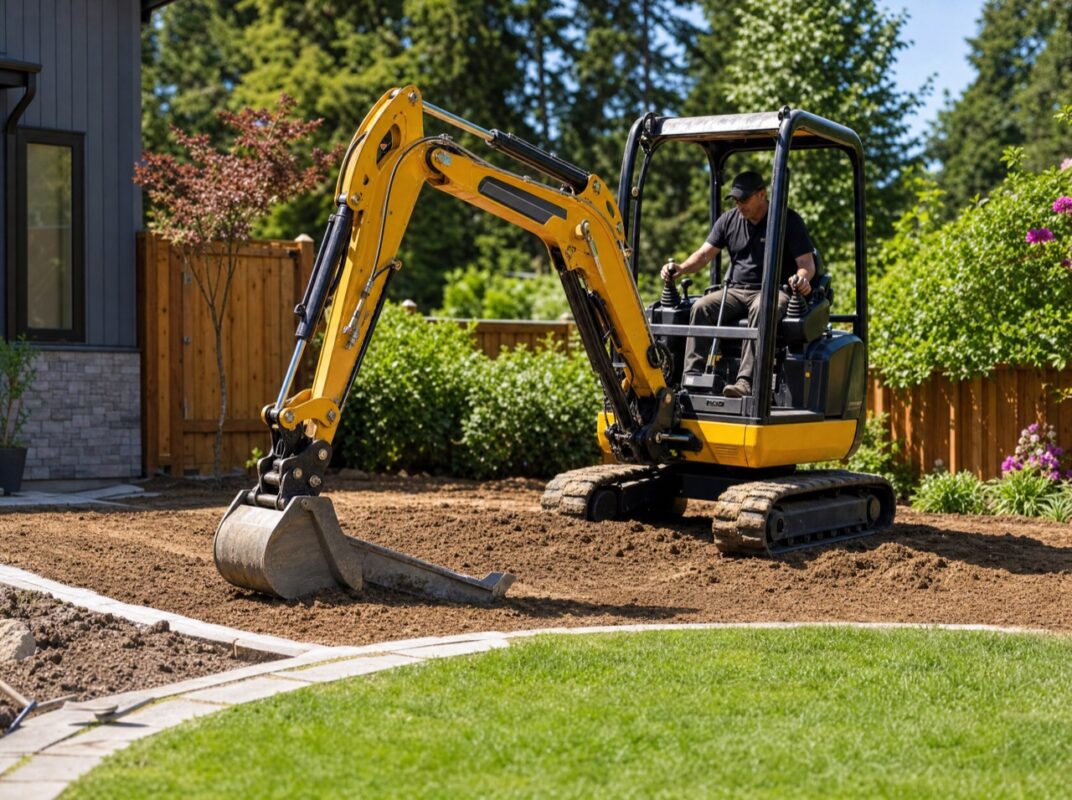
- Light residential tasks: small post holes, garden beds, drainage in tight yards. Gas can be ideal and easier to store and start.
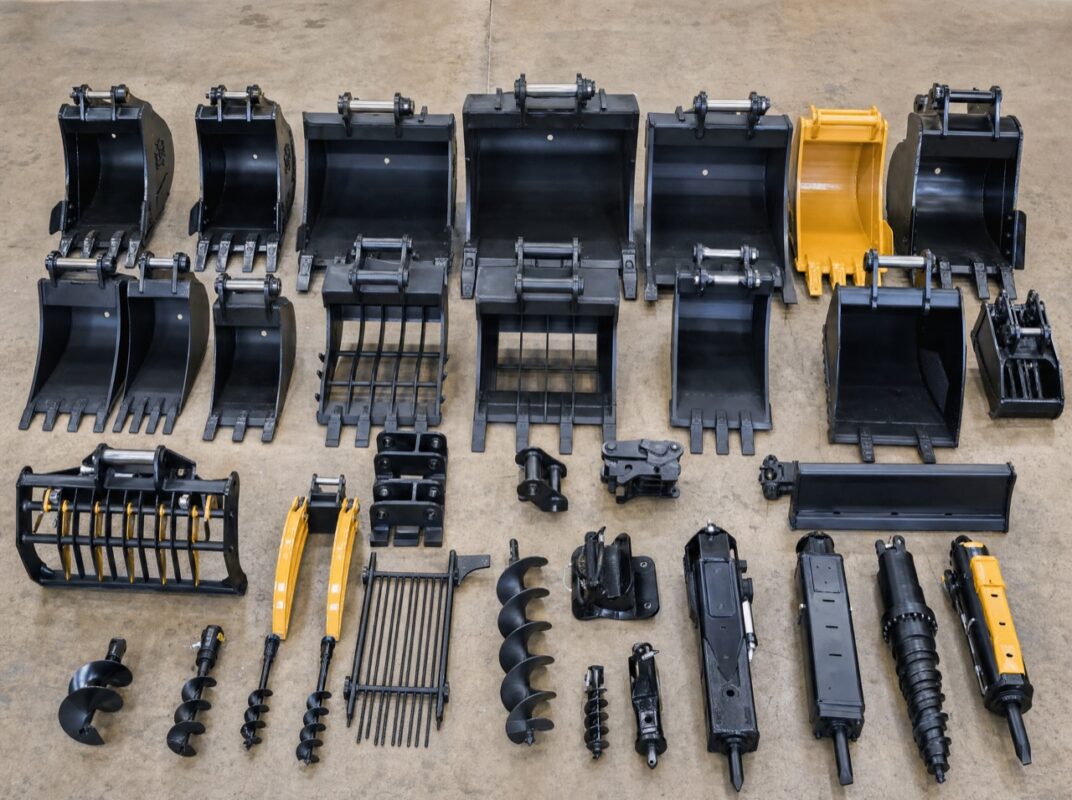
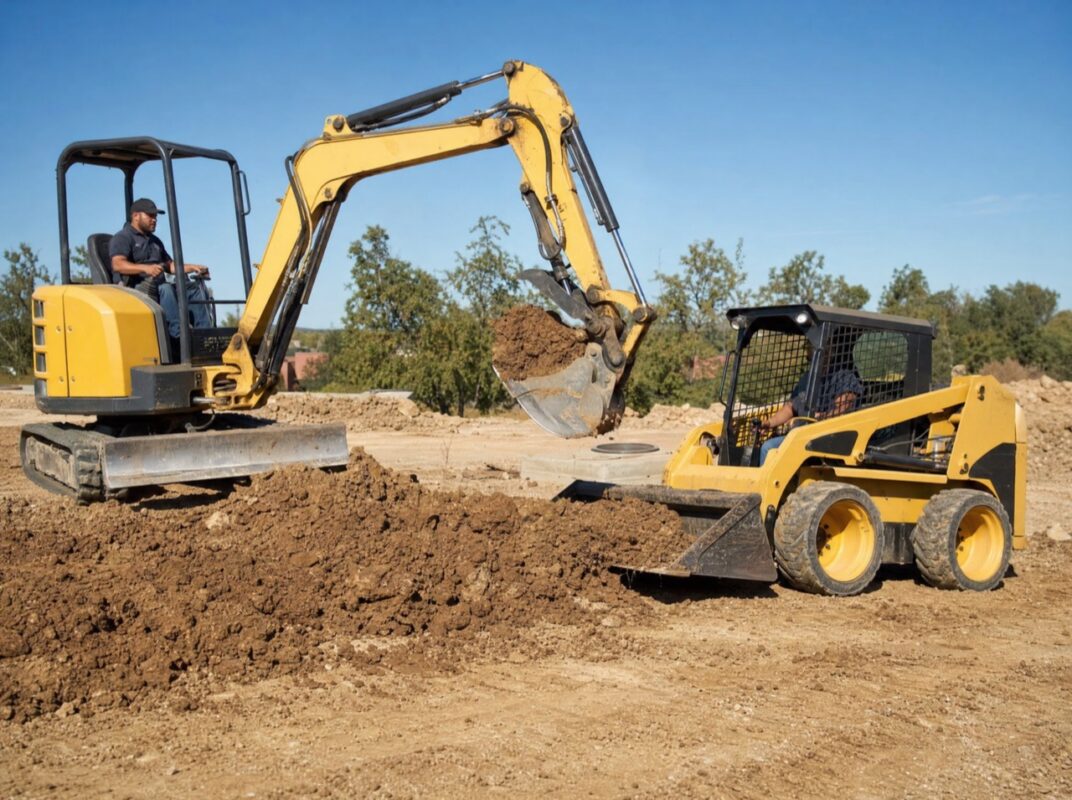
- Attachment-heavy material handling: consider a mini skid steer, then choose the engine that fits your run time.
A quick mini excavator buyer’s checklist
Before you commit to diesel or gas, run through this checklist so the engine choice fits the rest of the machine and your worksite:
- Estimate your honest annual operating hours; this single number decides diesel vs gas more than any other factor.
- Confirm the operating weight suits your trailer, ground conditions, and access width.
- Check dig depth and reach against your typical job, not your biggest job.
- Verify the hydraulic flow supports the attachments you plan to run.
- Ask about engine certification; our machines are EPA-certified for legal, clean operation.
- Plan delivery and warranty: we offer free freight shipping to the lower 48 and a 1-year parts warranty with direct technical support.
- Confirm parts and support availability before you buy, so downtime stays short.
If you want the full lineup side by side, you can compare specs across our complete catalog and weigh weight, reach, and engine type in one place.
Frequently asked questions
Are diesel mini excavators harder to maintain than gas?
Not really, just different. Diesels skip spark plugs but need clean fuel and regular filter changes, and modern units may include emissions hardware. Keep fresh, water-free diesel in the tank and follow the service intervals, and a diesel is very low-drama. Gas engines are simpler but typically need service a bit more often.
Will a gas mini excavator dig as well as diesel?
For light and intermittent work, yes. For sustained heavy digging in hard soil, a diesel machine holds power better and resists bogging down because of its higher low-end torque. Match the engine to how hard and how often you will actually dig.
Which holds resale value better?
Diesel compact equipment generally retains more value because professional buyers prefer it for durability and run time. If you may sell or trade within a few years, that stronger resale can offset the higher purchase price.
The bottom line
When you weigh diesel vs gas mini excavators, let your real workload decide. If you dig hard, dig often, or want the strongest resale and longest engine life, a diesel machine built around a genuine Kubota engine is the proven choice. If your jobs are lighter and occasional, a gas unit can deliver everything you need for less money up front. Whichever way you lean, our team is happy to help you size the machine to your worksite, your trailer, and your budget. Explore the full range of diesel mini excavators and browse the rest of the store to find the right fit, then reach out and let us help you buy with confidence.