Blog
Mini Excavator Prices: What You Get at Every Budget

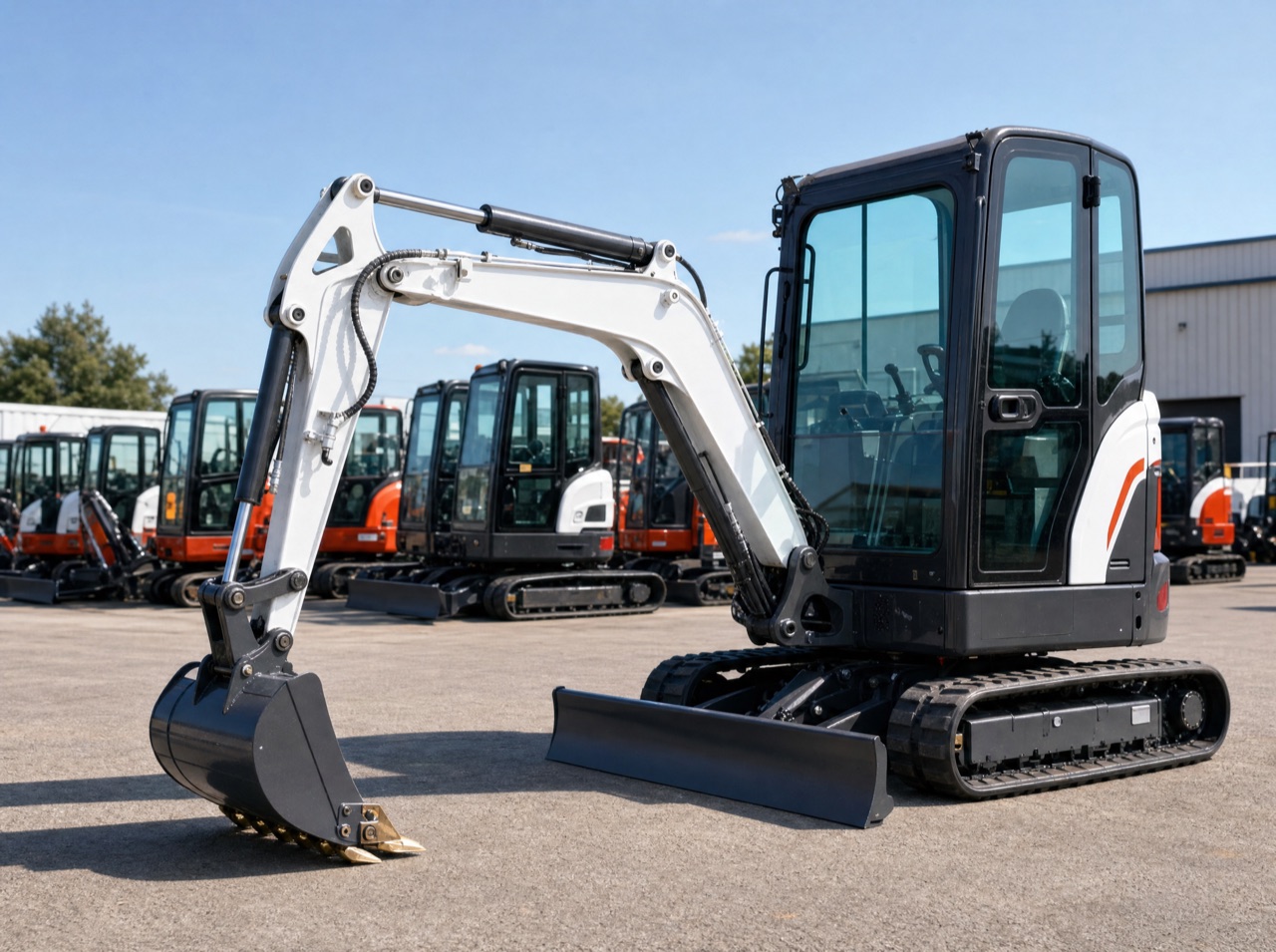
Mini excavator prices cover a wide range, and the spread is not random. What you pay tracks directly with operating weight, dig depth, hydraulic capability, build quality, and the support that stands behind the machine. If you understand how those factors stack up, you can match your budget to the work you actually do instead of overpaying for capacity you will never use or buying short and fighting the machine on every job. This guide breaks down what you get at each price tier so you can shop with confidence.
What actually drives mini excavator prices
Before you compare any two machines, it helps to know what you are really paying for. Two excavators that look similar can sit thousands of dollars apart for sound reasons. The main cost drivers are consistent across the compact equipment market.
- Operating weight and size class. Machines are grouped roughly from 1-ton up through 6-ton. Heavier units dig deeper, lift more, and reach farther, and they cost more to build.
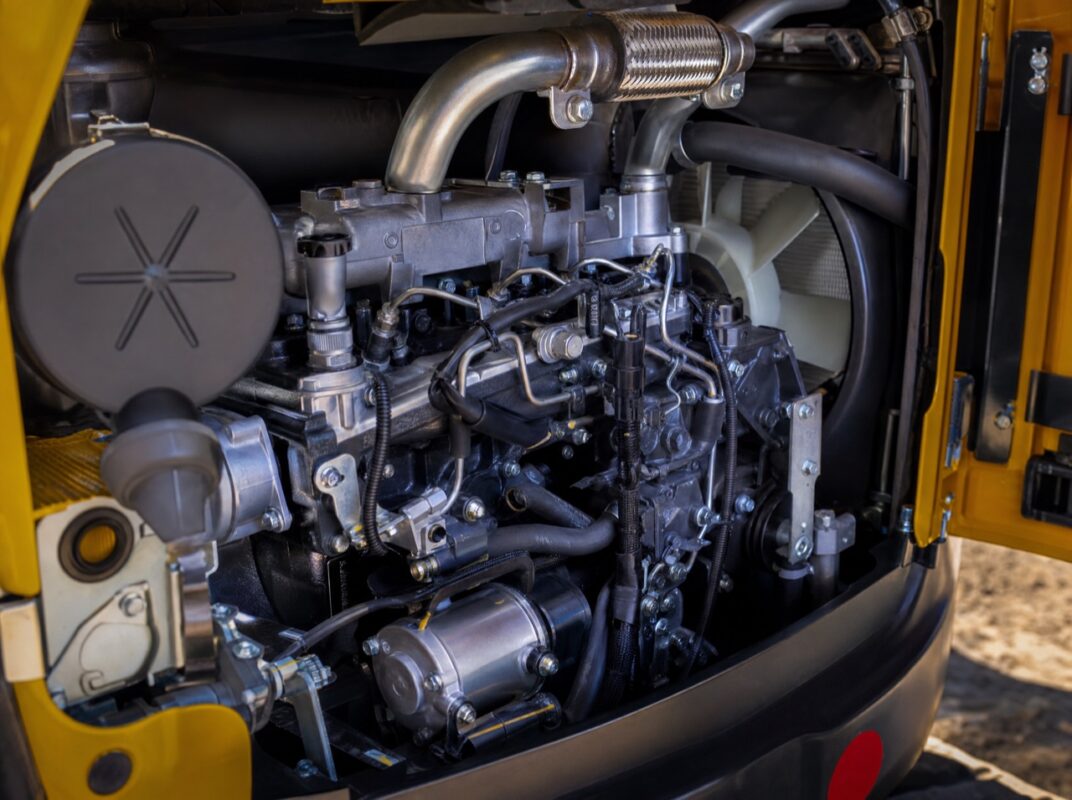
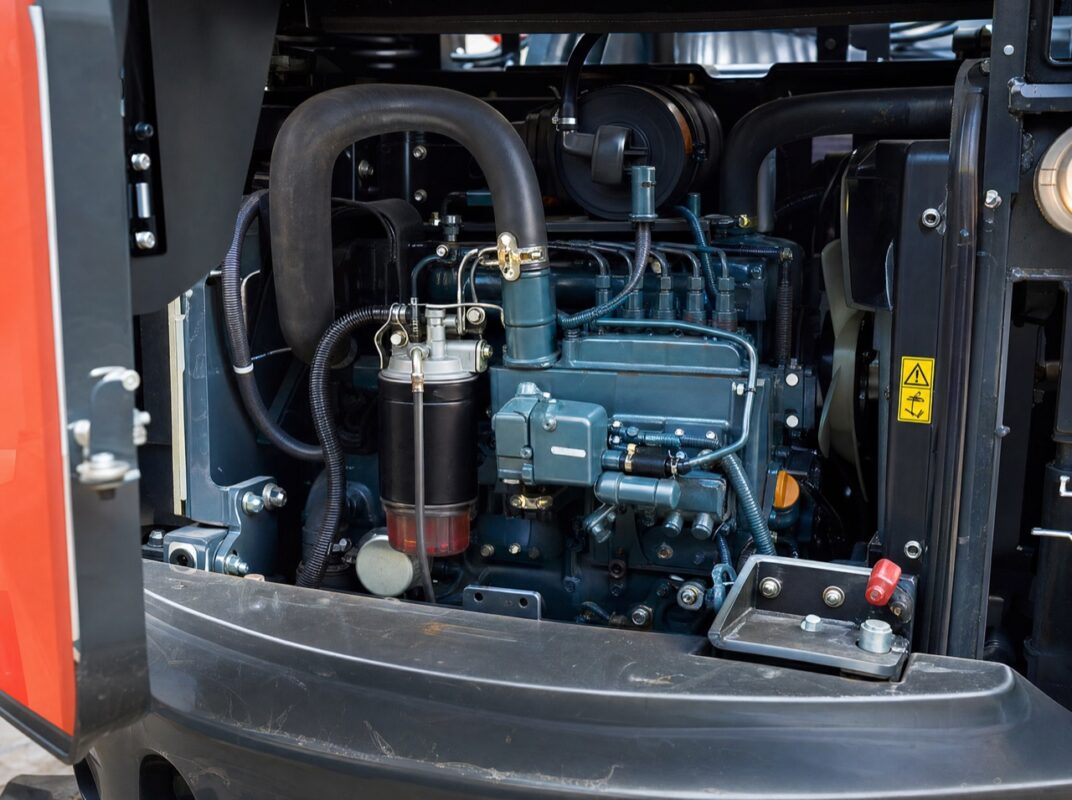
- Engine. A genuine Kubota diesel engine costs more than a generic powerplant, but it pays back in reliability, parts availability, and resale value.
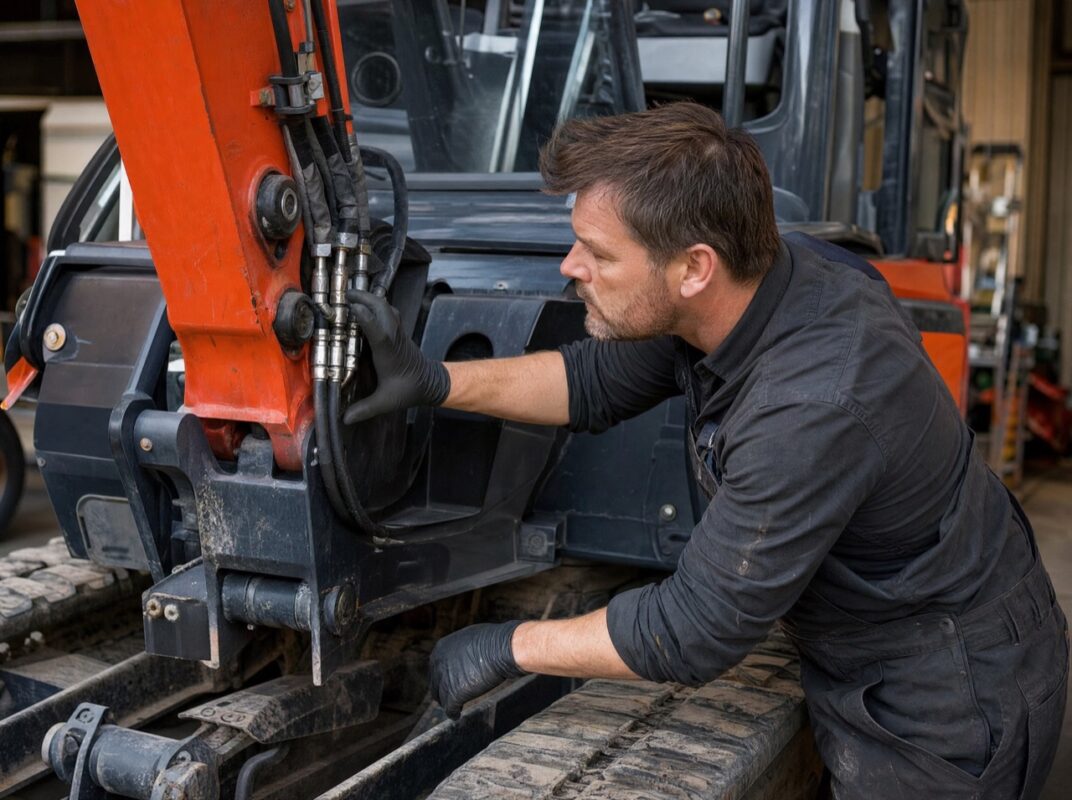
- Hydraulics. Auxiliary hydraulic circuits, higher flow rates, and proportional controls add capability and cost, especially if you plan to run attachments.
- Comfort and controls. An open ROPS canopy is cheaper than an enclosed, heated, air-conditioned cab. Pilot-style joysticks and adjustable seats add to the price too.
- Build quality and support. Thicker steel, sealed components, and a real parts-and-warranty network cost money up front and save it later.
Keep these levers in mind as you read the tiers below. The right machine is the one where you are paying for the capabilities you need and not much else.
Entry budget: 1 to 1.8 ton mini excavators
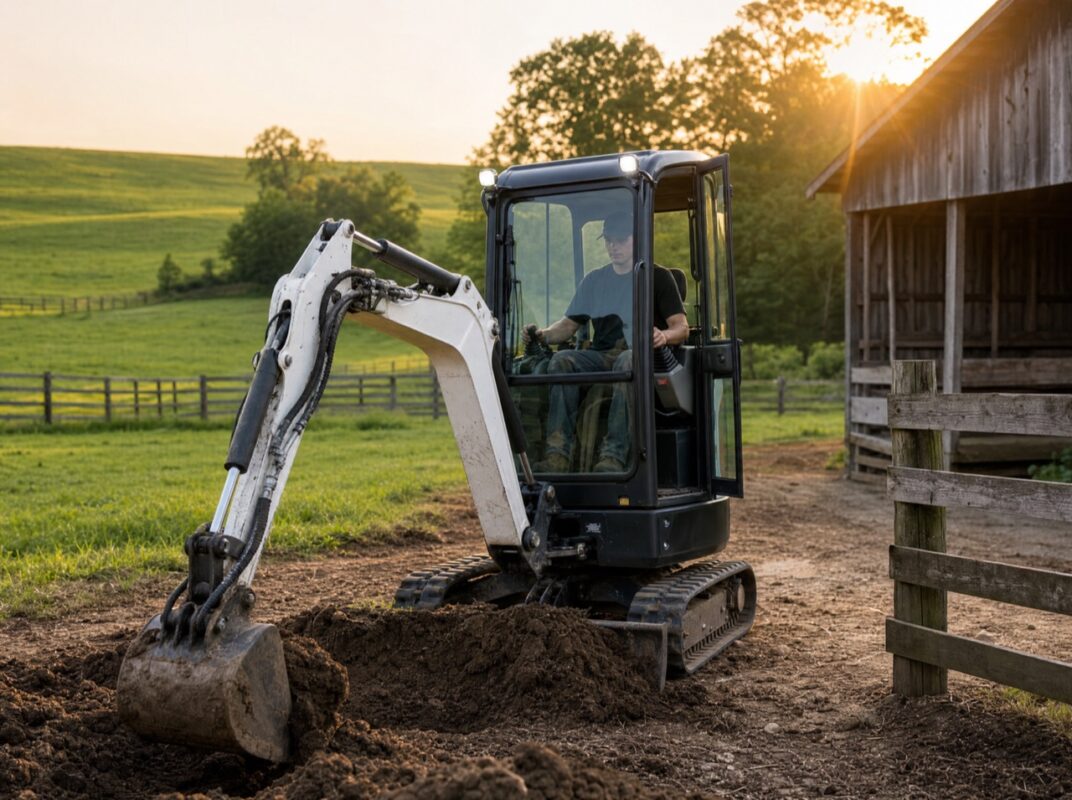
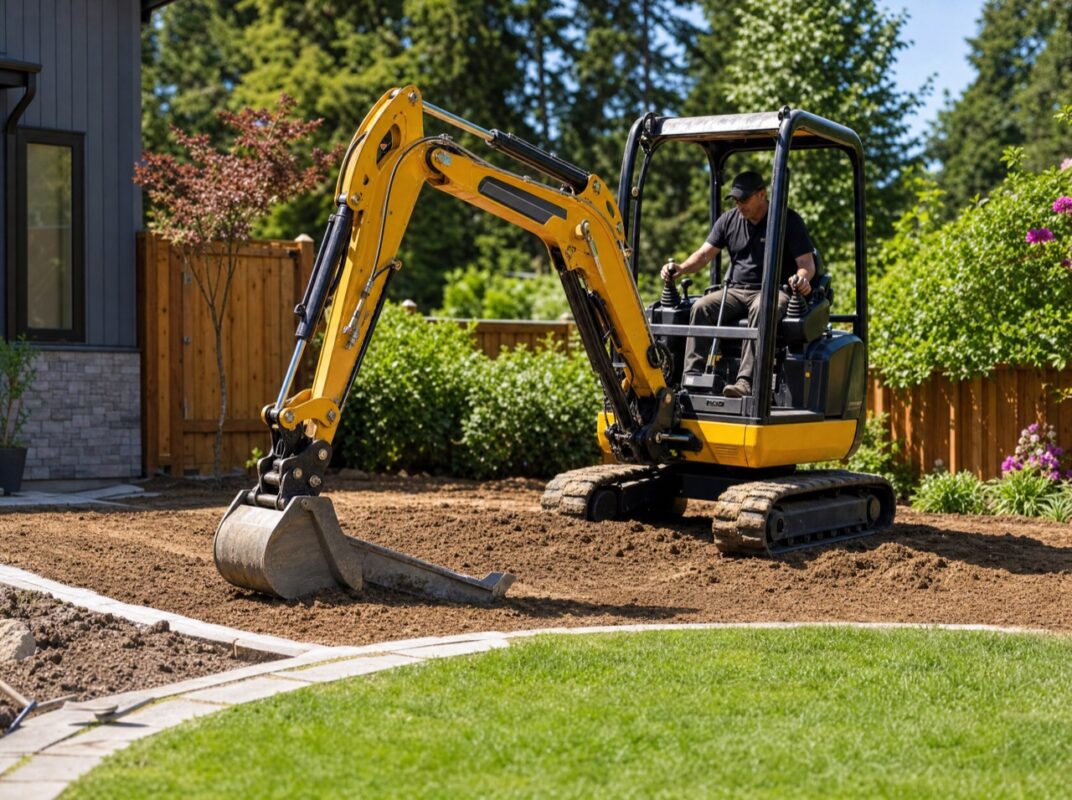
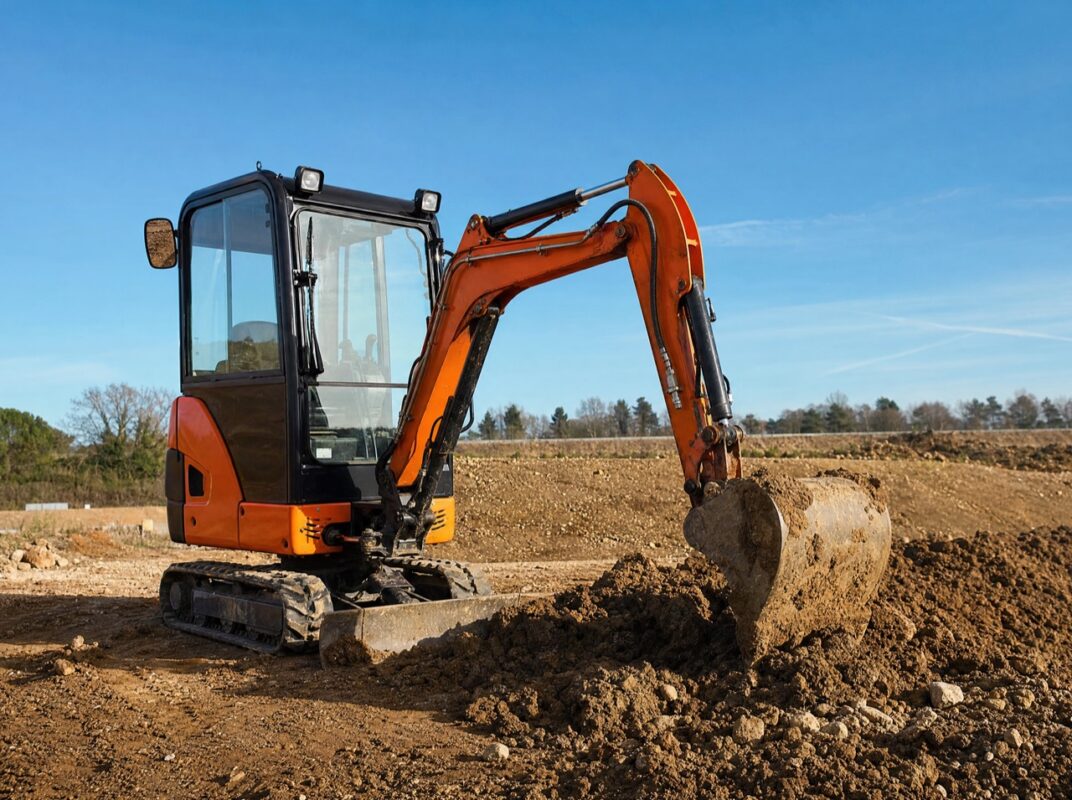
This is the most affordable tier and the entry point for most homeowners, hobby farmers, and small landscapers. These compact machines are light enough to tow behind a half-ton truck on a standard trailer, and many fit through a standard gate, which makes them ideal for tight backyards and fenced properties.
What you get
- Dig depths roughly in the 5 to 7 foot range, enough for footings, irrigation lines, small drainage, and fence post holes.
- Retractable or fixed undercarriages, with rubber tracks that protect finished surfaces like driveways and lawns.
- An open canopy rather than a full cab, and simpler hydraulics.
- Plenty of capability for grading a small yard, planting trees, or trenching for a sprinkler system.
If your work lives close to the house and rarely goes deep, an entry-tier machine from our mini excavators lineup delivers the most value per dollar. You are not paying for reach and lift you would only use a handful of times a year.
Mid budget: 2 to 3.5 ton mini excavators
The middle of the mini excavator price range is where most serious buyers land, and for good reason. This class balances cost against capability better than any other. Farmers, ranchers, and full-time landscapers usually find their sweet spot here.
What you get
- Dig depths often in the 8 to 10 foot range, which covers most utility, foundation, and septic work.
- Stronger auxiliary hydraulics that comfortably run augers, hydraulic thumbs, breakers, and grapples.
- The option of an enclosed cab for year-round, all-weather operation.
- Better lift capacity for setting pipe, placing rock, and loading material.
At this tier the machine starts to earn its keep as a true production tool rather than an occasional helper. If you intend to run a variety of attachments, prioritize a model with robust auxiliary flow. Spending a little more here often saves you from outgrowing the machine in a year.
Higher budget: 4 to 6 ton mini excavators
The top of the compact range overlaps with where mini meets midsize. These machines are for contractors and operations that dig deep, lift heavy, and run long days. Mini excavator prices climb fastest in this tier because you are buying serious capacity.
What you get
- Dig depths in the 11 to 13 foot range and meaningful lift capacity for structural and utility work.
- High-flow hydraulics that handle demanding attachments like mulchers and large breakers.
- Full-featured cabs, more comfortable controls, and components built for high duty cycles.
- The durability to absorb daily commercial use without constant downtime.
If the machine is going to pay for itself on jobsites week after week, the higher up-front cost is an investment, not an expense. The productivity and reliability gains add up quickly when you bill by the hour.
The hidden costs beyond the sticker price
The purchase price is only part of the picture. Smart buyers budget for the full cost of ownership before they sign anything. Run through this checklist so nothing surprises you later.
- Freight. Delivery can be a real line item. At Kubota Excavator we offer free freight shipping to the lower 48 states, which removes a common hidden cost. You can review the details on our shipping and delivery page.
- Attachments. A bucket comes standard, but thumbs, augers, breakers, and grapples are extra and dramatically expand what one machine can do.
- Maintenance. Filters, fluids, grease, and rubber tracks are routine wear items. A genuine Kubota diesel engine keeps these costs predictable.
- Warranty and support. A 1-year parts warranty with direct technical support protects your budget if something goes wrong.
- Trailer and tow vehicle. Make sure your truck and trailer are rated for the machine plus attachments before you buy.
Tally these alongside the base price and you will compare machines on a true apples-to-apples basis.
How to match your budget to the job
The cheapest machine that can do your work is rarely the smartest buy, and neither is the biggest one you can afford. Aim for the right fit. A quick way to decide:
- Occasional homeowner or hobby use: the 1 to 1.8 ton tier covers it without wasted spend.
- Regular farm, ranch, or landscaping work: the 2 to 3.5 ton class gives you room to grow.
- Daily commercial production: step up to the 4 to 6 ton range for durability and depth.
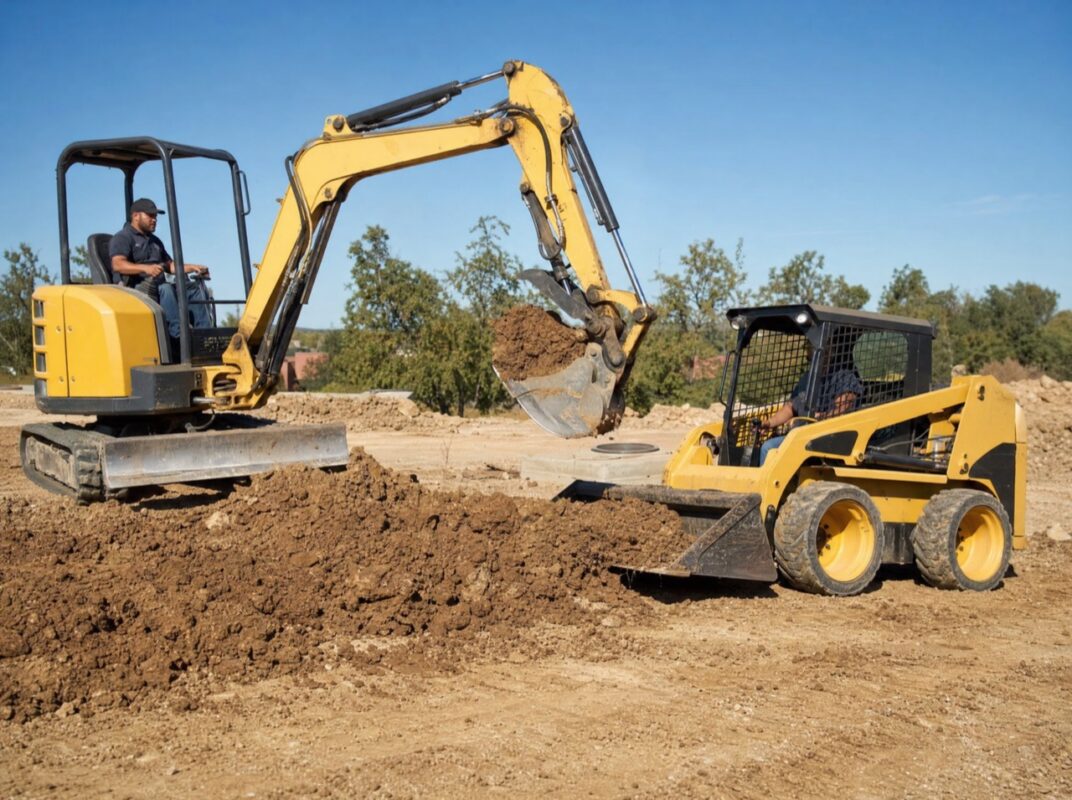
If you are weighing whether a wheeled, walk-behind loader fits better for material handling in tight spaces, it is worth comparing against our mini skid steers before you commit. Different jobs reward different tools.
Frequently asked questions
Why do two similar-looking mini excavators have very different prices?
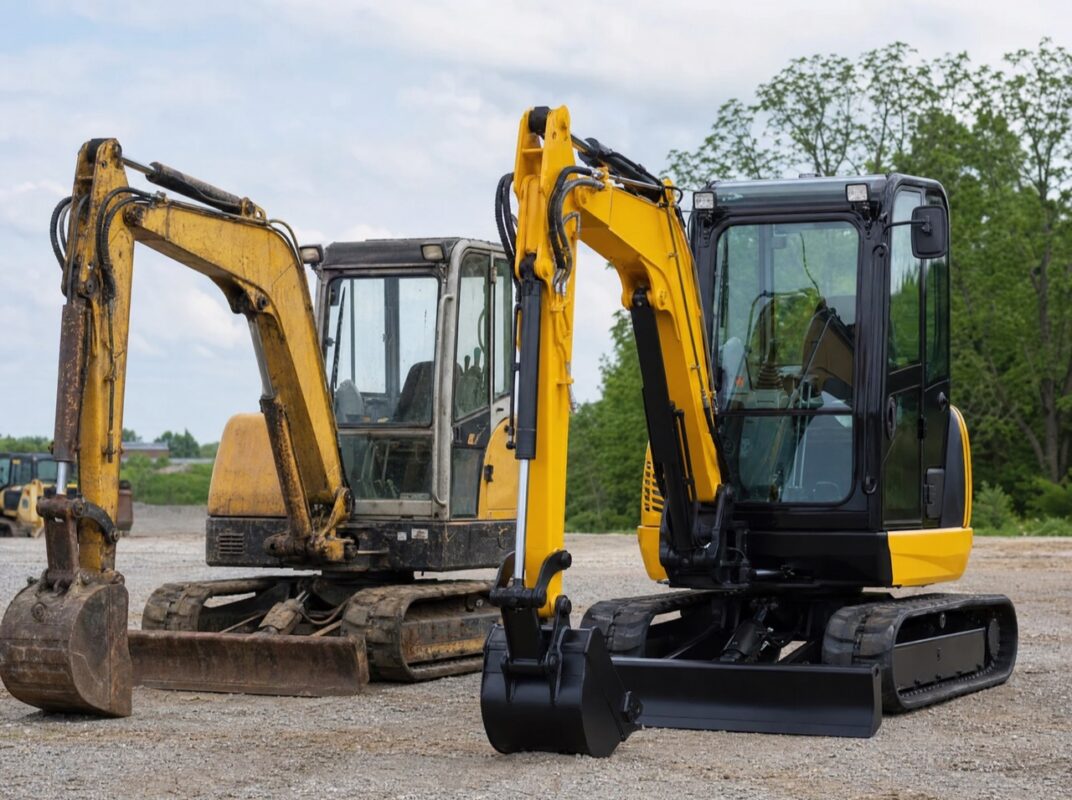
Usually the gap comes down to things you cannot see at a glance: engine quality, hydraulic flow, steel thickness, cab features, and the strength of the warranty and parts support behind the machine. A lower sticker price sometimes means cheaper components that cost more over the life of the machine.
Is a more expensive mini excavator always better?
No. The best machine is the one sized to your actual work. Paying for 13 feet of dig depth and high-flow hydraulics you never use is wasted money. Match the tier to the jobs you do most often, then add a little headroom for growth.
Does the price include delivery?
Freight is often a separate cost in this industry. We include free freight shipping to the lower 48 states, so the price you see is closer to the price you pay. Reach out at +1 (213) 800 9299 or sales@kubotaexcavator.com with any questions.
The bottom line
Mini excavator prices reflect real differences in size, capability, build quality, and support, so the goal is not to spend the least or the most, but to match your budget to the work in front of you. Know what each tier delivers, account for freight and attachments, and lean on EPA-certified machines backed by a genuine warranty and real technical help. When you are ready to see what fits your budget, browse our full shop and compare models side by side, then contact our team to lock in the right machine at the right price.