Blog
Mini Excavators for Farms and Ranches: A Practical Guide

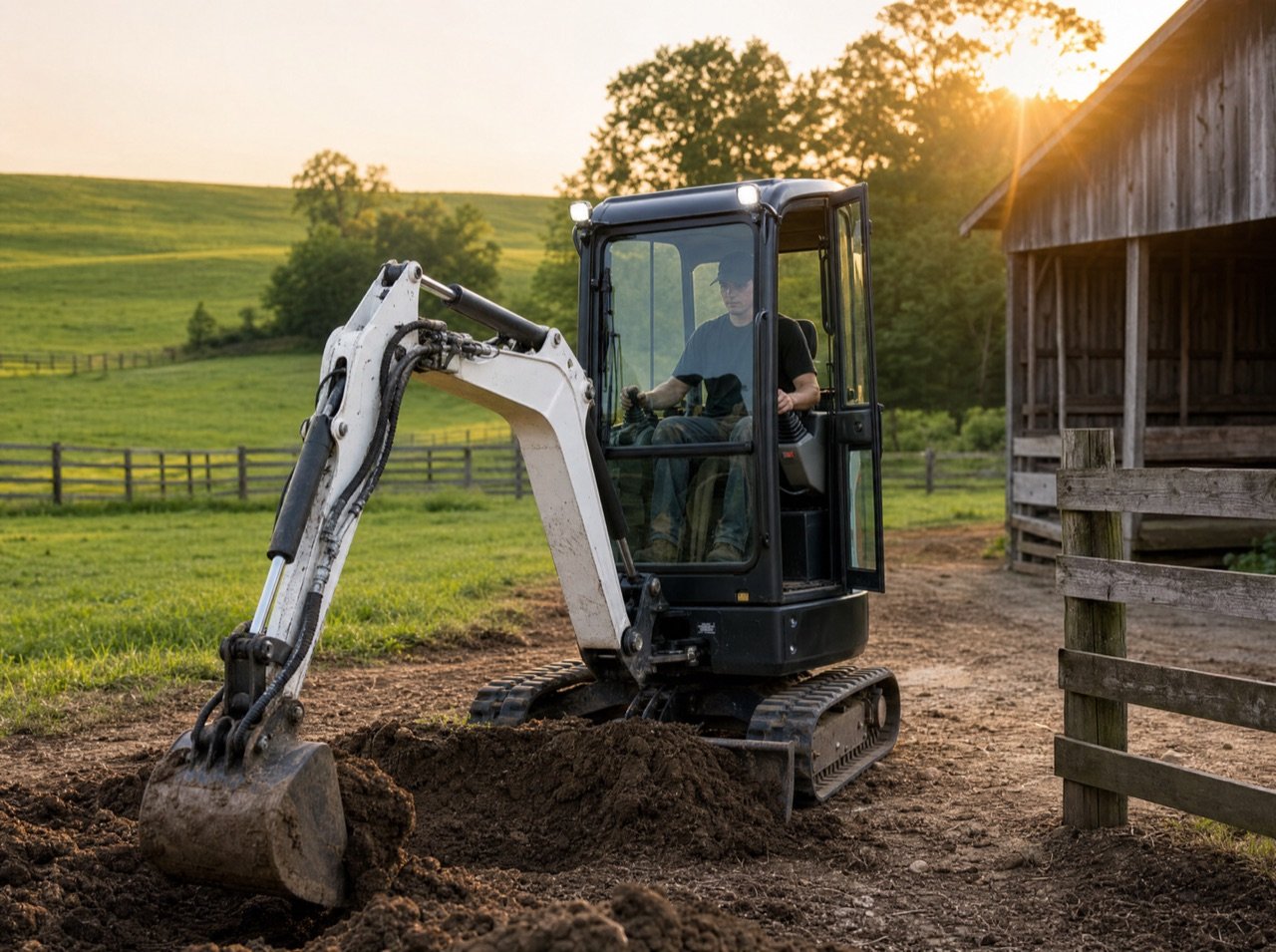
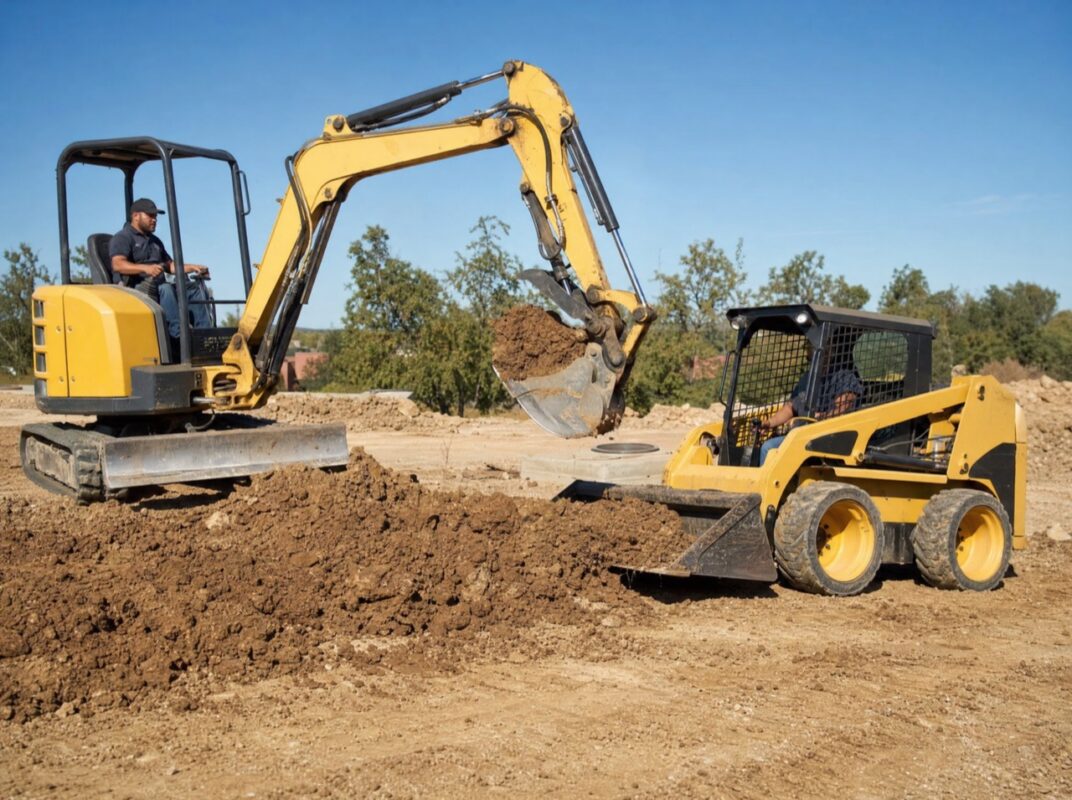
Mini excavators for farms and ranches have quietly become some of the hardest-working machines on rural property. A compact, tracked digger handles the chores that used to mean a rented backhoe, a borrowed tractor, or a long weekend with a shovel: trenching for water lines, setting fence posts, clearing brush, cleaning ditches, and digging footings for a new barn. If you own acreage and find yourself fighting the same dirt every season, this guide walks through how to choose, equip, and run a mini excavator so it pays for itself fast.
Why a mini excavator fits farm and ranch work
Farms and ranches deal in dirt, water, and access. A mini excavator is built for exactly that. Unlike a tractor with a backhoe attachment, a dedicated excavator gives you a full 360-degree rotating house, smoother hydraulic control, and a digging arm designed to do nothing but dig and lift precisely. That means cleaner trenches, less back-and-forth repositioning, and far less ground disturbance.
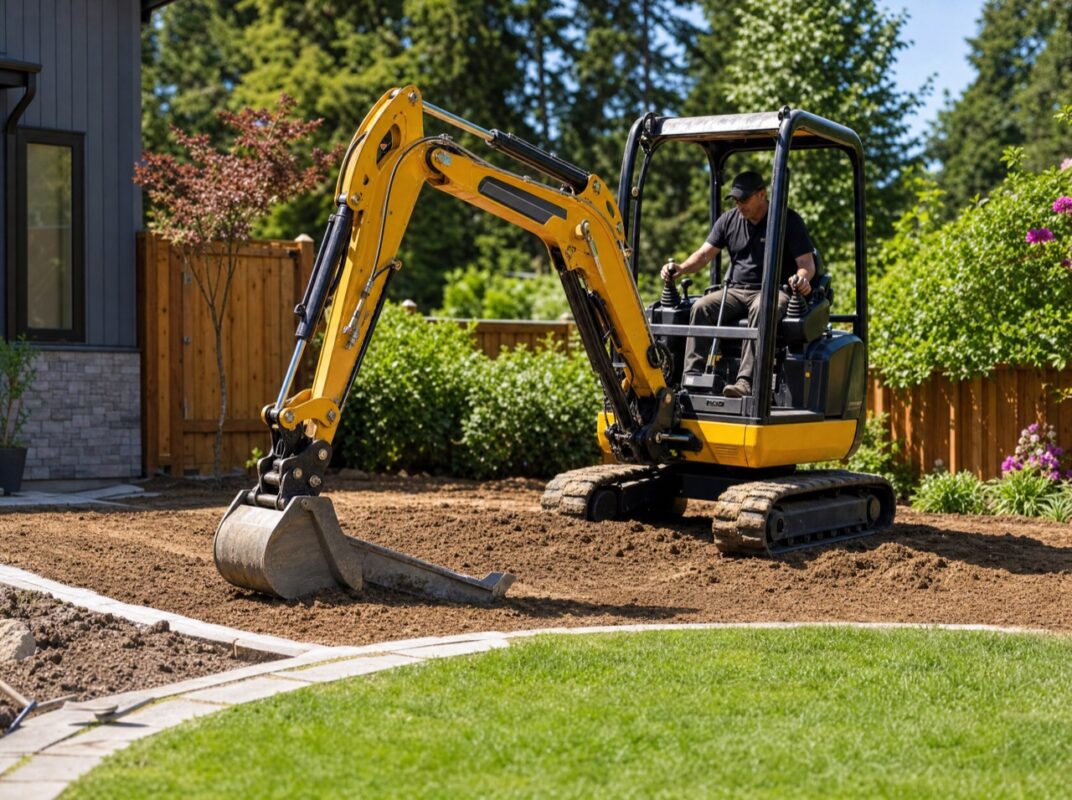
The tracked undercarriage is the other advantage. Rubber tracks spread the machine’s weight over a wide footprint, so you can work on soft pasture, wet ground near a creek, or a freshly seeded field without tearing it up the way wheels would. For anyone managing livestock, irrigation, or row crops, a machine that travels gently across the property is worth a lot.
Common jobs a compact excavator handles
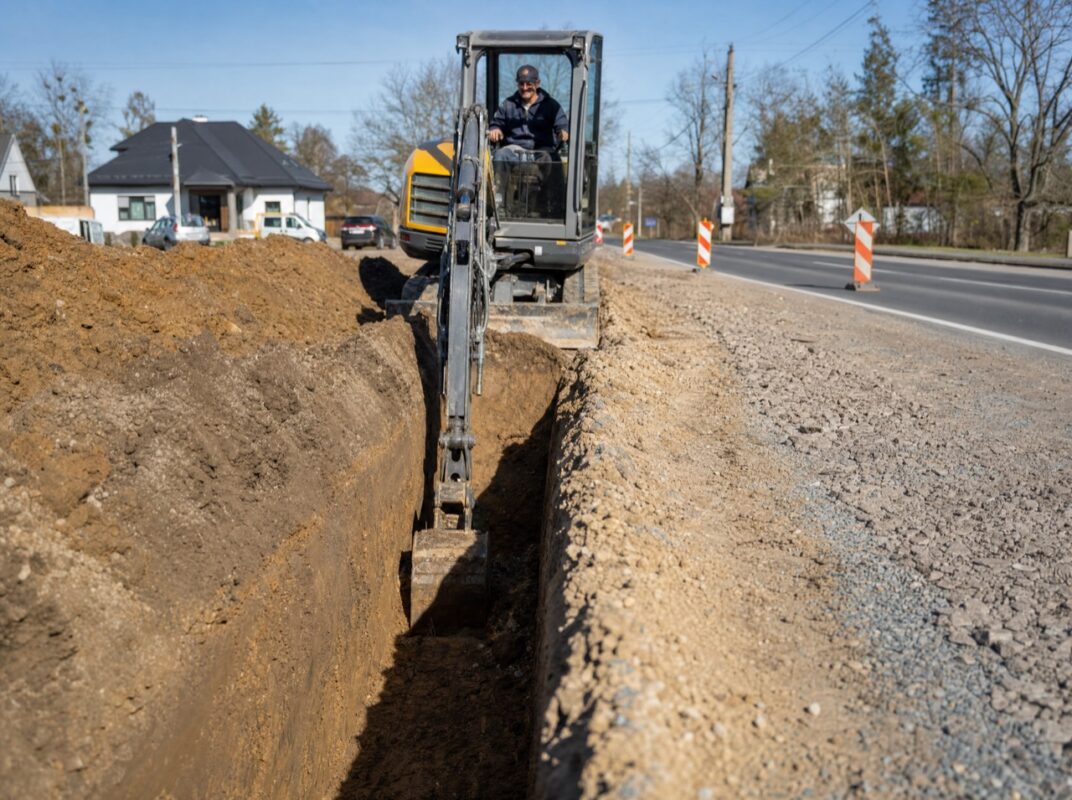
- Water and utility trenching for stock tanks, frost-free hydrants, electrical runs, and drain tile.
- Fence work, including digging or augering post holes and pulling old rotted posts.
- Drainage and erosion control, such as cleaning out ditches, cutting swales, and reshaping washed-out areas.
- Land clearing, like grubbing brush, pulling stumps, and removing small trees.
- Construction support for barn pads, shed footings, retaining walls, and culvert installation.
- Pond and water management, including cleaning silt from existing ponds and digging small catchments.
Sizing a mini excavator for your property
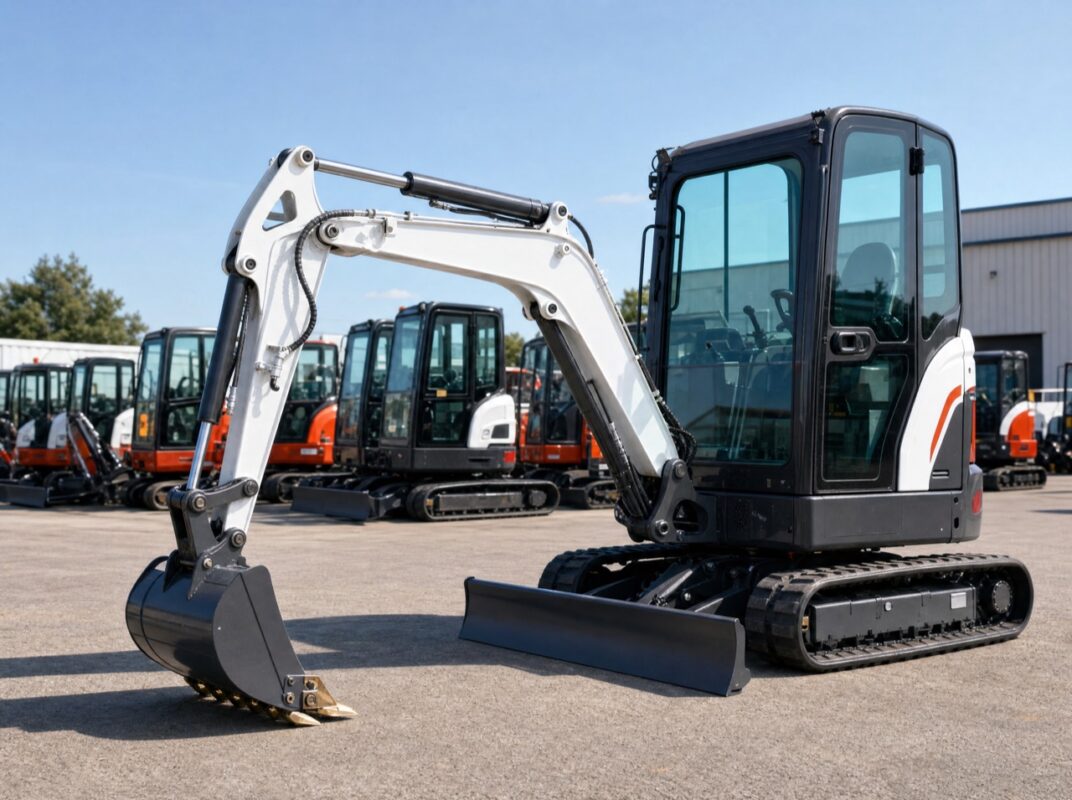
Picking the right size is the single most important decision. Buy too small and you’ll fight a lack of reach and lifting power; buy too big and you’ll struggle to move it between sites and damage soft ground. Most farm and ranch buyers land in the 1-to-6-ton range, and you can compare the full lineup of mini excavators by operating weight and dig depth to match your typical jobs.
A quick sizing framework
- 1 to 2 tons: Ideal for tight spaces, garden beds, shallow utility lines, and getting through standard gates. Easy to tow behind a half-ton truck. Limited reach and lift.
- 2.5 to 3.5 tons: The sweet spot for most ranches. Enough dig depth for water lines and footings, enough lift for setting culverts, yet still trailerable without a commercial setup.
- 4 to 6 tons: For heavier, repeated work, such as larger ponds, deep trenches, road building, and frequent stump removal. More power and reach, but plan your transport accordingly.
Two specs matter more than the headline weight: maximum dig depth (can it reach below your frost line for water hydrants?) and rated lift capacity at full reach (can it set the culvert or wall block you actually use?). Also note travel width. A machine that fits through your gates and along your tree lines saves real frustration.
Attachments that multiply what one machine can do
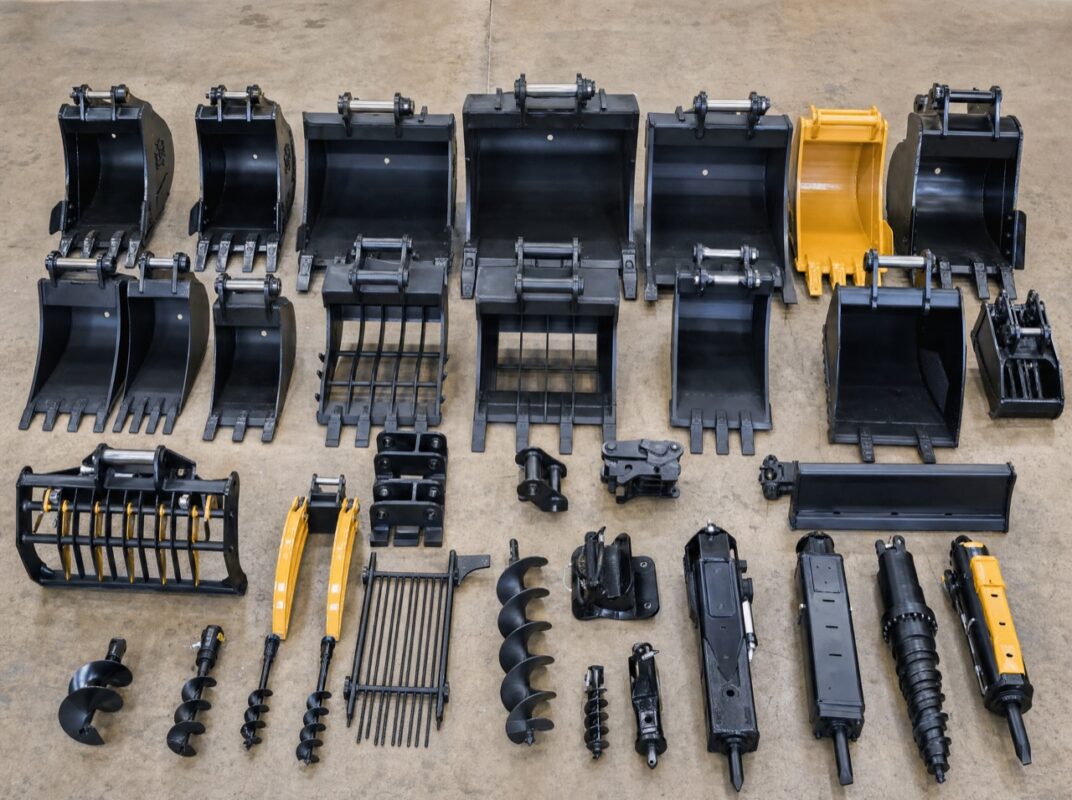
The excavator is only half the system. The right attachments turn it into a fence crew, a brush cutter, and a grading tool. Most farm owners start with a few buckets and add specialty tools as needs come up. Browse compatible tools in our attachments selection and match them to your machine’s hydraulic flow and coupler.
- Digging bucket (12 to 24 inch): Your everyday trenching tool. A narrow bucket digs tidy utility lines; a wider one moves more dirt for footings.
- Grading or ditch-cleaning bucket: Wide and flat, perfect for finishing trenches, cleaning ditches, and backfilling.
- Auger: The fastest way to drill consistent post holes for fencing and decks.
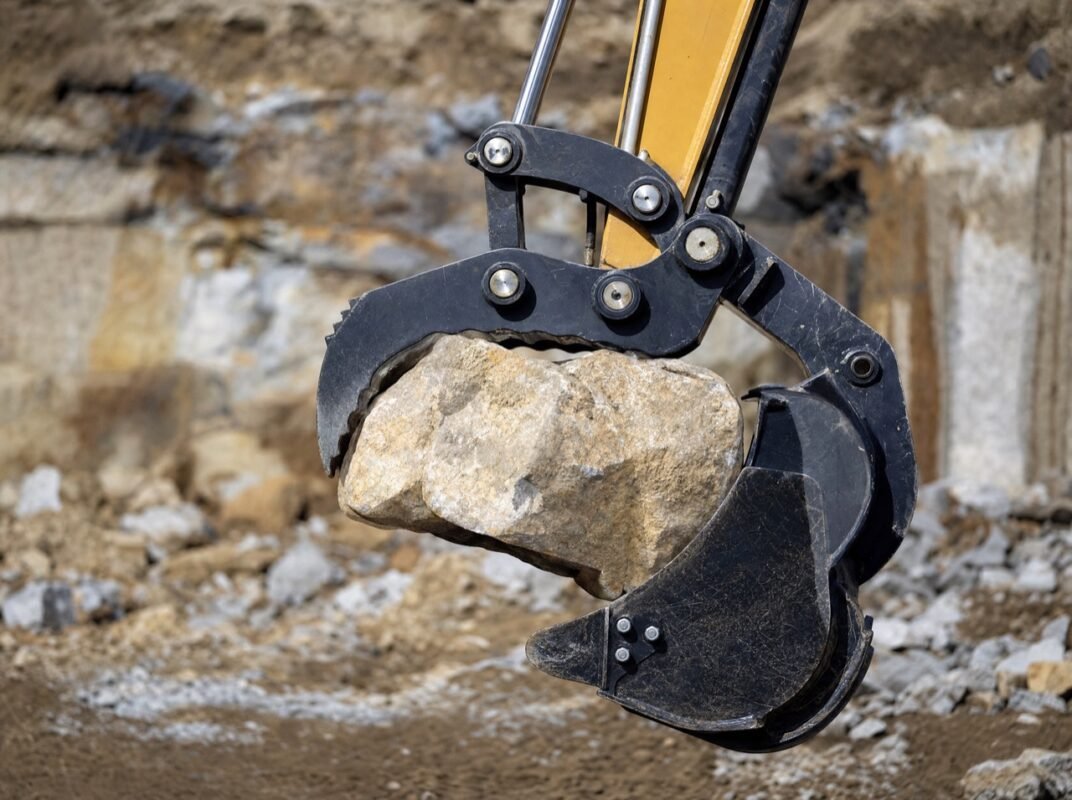
- Thumb: A hydraulic or mechanical thumb lets you grab logs, rocks, brush, and debris. For land clearing on a ranch, this is nearly essential.
- Grapple: For moving brush piles, branches, and storm cleanup.
- Ripper: Breaks up hardpan, roots, and frozen or rocky ground before you dig.
If your work leans toward material handling and loading rather than digging, it’s worth also looking at mini skid steers, which pair well with an excavator on a busy operation.
Kubota diesel power and what it means for owners
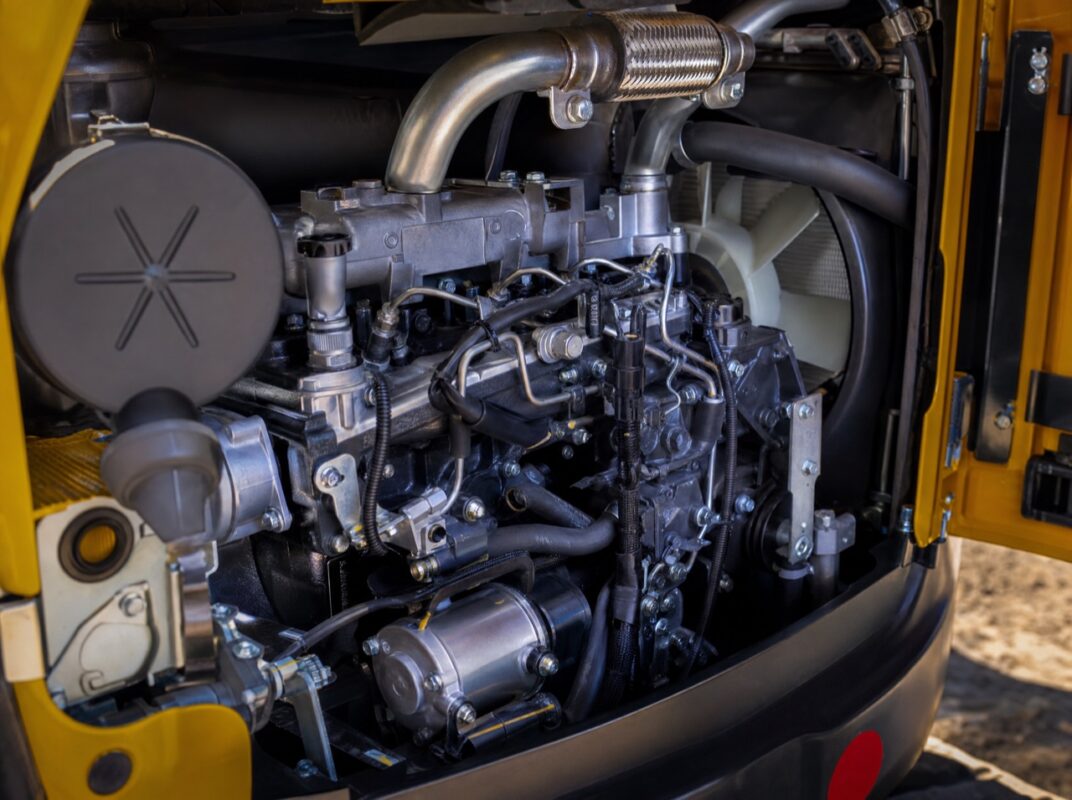
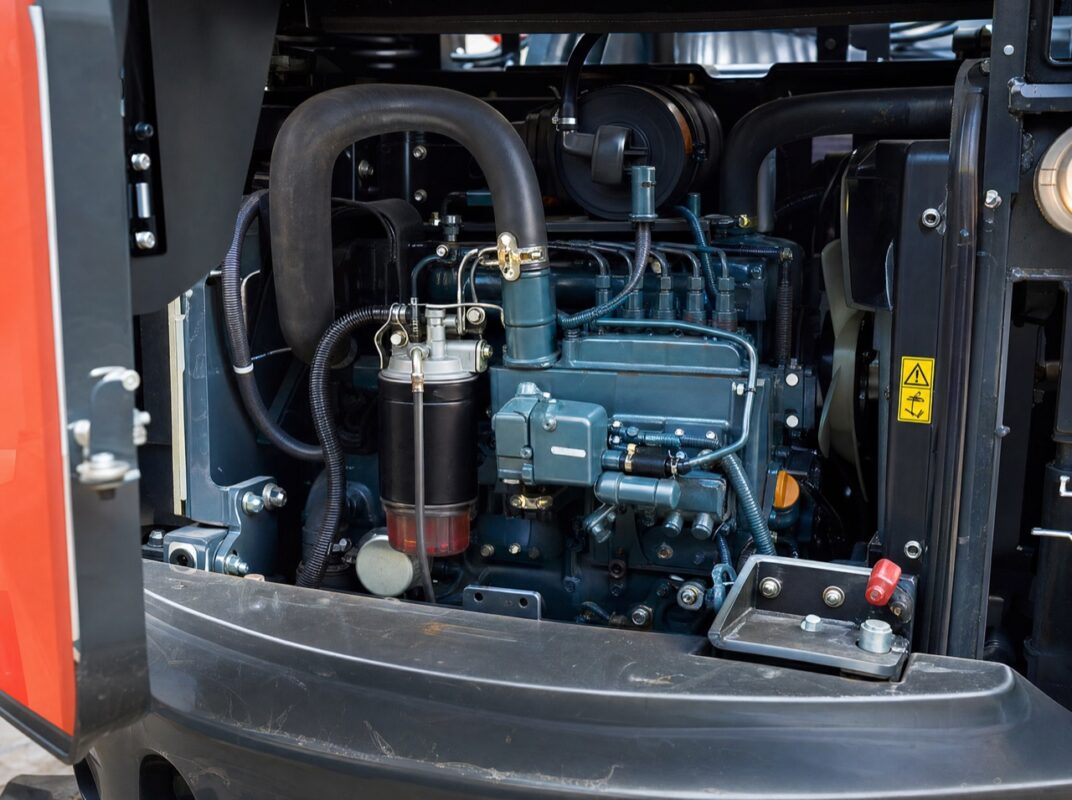
Many compact excavators in this class run genuine Kubota diesel engines, and that matters for farm use. Diesel delivers strong low-end torque for digging, good fuel economy across a long workday, and a long service life when maintained. Kubota engines are widely used in agricultural and construction equipment, so the platform is familiar to rural mechanics and well supported. Our machines are EPA-certified, which keeps you compliant for emissions where that applies.
Reliability on a ranch is not a luxury. When you’re racing a storm to clear a culvert or trying to get water to livestock before a freeze, a dependable engine and accessible parts support keep the project moving. Every machine ships with a 1-year parts warranty and direct technical support, so you’re not stranded if something needs attention.
A pre-purchase and first-job checklist
Before you buy and before you start your first big project, run through this list:
- Measure your tightest access point (gates, alleys between buildings) and confirm the machine’s travel width clears it.
- Identify your deepest routine dig (frost line plus a few inches) and confirm the machine’s max dig depth covers it.
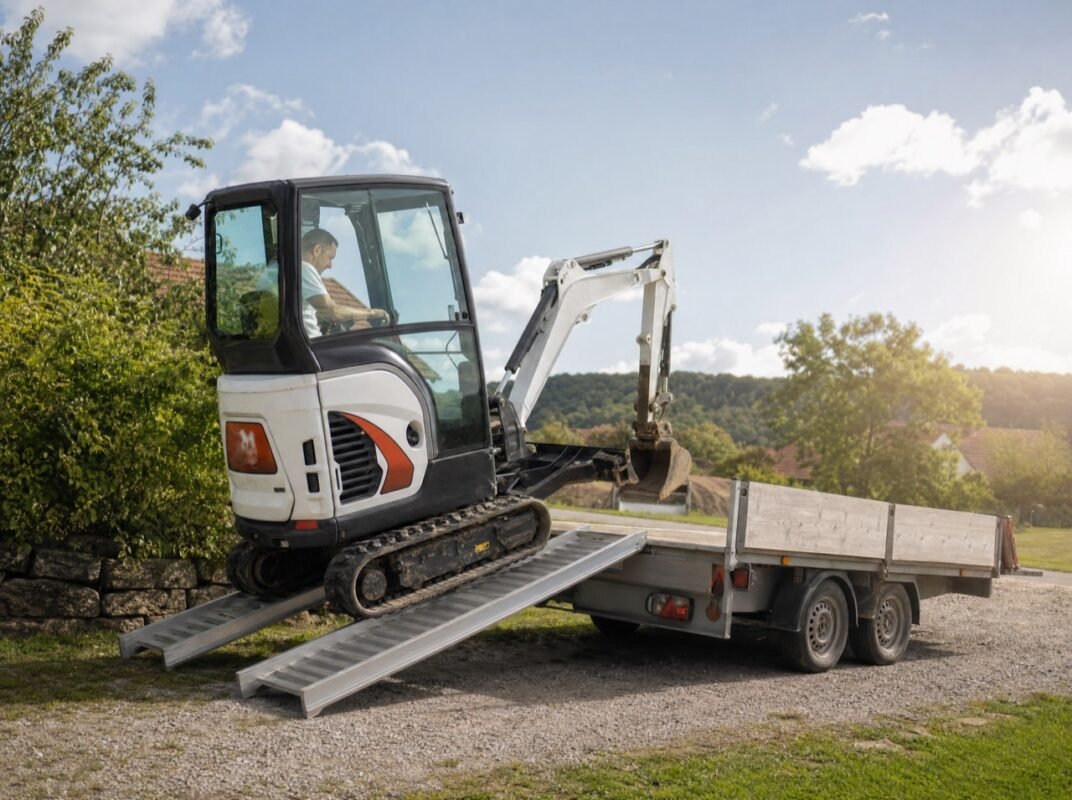
- Confirm your truck and trailer can legally haul the machine’s transport weight plus attachments.
- Decide on your first two attachments based on the jobs waiting right now, not hypothetical ones.
- Always call 811 (or your local utility locate service) before digging to mark buried lines.
- Check the fluid levels and track tension at the start of each day, and grease pivot points on schedule.
- Plan a level staging area for loading and unloading away from soft shoulders and ditches.
Operating and maintenance tips for the long haul
Mini excavators reward steady, smart operation. Let the hydraulics do the work rather than forcing the arm. Keep the house squared to the trench when you dig deep, and use the blade to anchor the machine and backfill efficiently. On slopes, travel with the heavy end uphill and keep the bucket low for stability.
Maintenance is straightforward but non-negotiable. Follow the engine’s service intervals for oil and filters, keep the air filter clean in dusty field conditions, and watch hydraulic fluid and hoses for wear. Clean mud and debris off the undercarriage after wet jobs so the tracks and rollers last. Treat the machine well and a quality compact excavator will work for many seasons.
Frequently asked questions
Can a mini excavator replace my tractor and backhoe?
For digging, trenching, and precise material handling, a dedicated mini excavator usually outperforms a tractor-mounted backhoe and disturbs less ground. A tractor still wins for mowing, hauling, and PTO work, so many operations keep both. If digging is your main pain point, the excavator is the better specialist.
How deep can a mini excavator dig?
It depends on the size. Smaller 1-to-2-ton machines typically reach moderate depths suited to shallow utilities and landscaping, while 3-ton-and-up models reach deep enough for most water lines, footings, and frost-line work. Always check the published max dig depth and match it to your local frost depth.
Is shipping a hassle for rural addresses?
No. We offer free freight shipping to the lower 48 states, and machines are delivered on a trailer ready to unload. You can review the details on our shipping and delivery page or call us with questions about your access.
The bottom line
For farms and ranches, a mini excavator is one of the most versatile tools you can own. Matched to your property’s access, dig depth, and workload, and equipped with a few smart attachments, it turns multi-day chores into afternoon jobs and keeps your ground in good shape while doing it. With dependable Kubota diesel power, EPA-certified machines, free freight to the lower 48, and direct technical support behind every unit, it’s a practical investment in getting more done. When you’re ready, explore our full range of mini excavators or browse the complete shop to find the right machine for your land.