Blog
Zero Tail Swing vs Conventional Mini Excavators

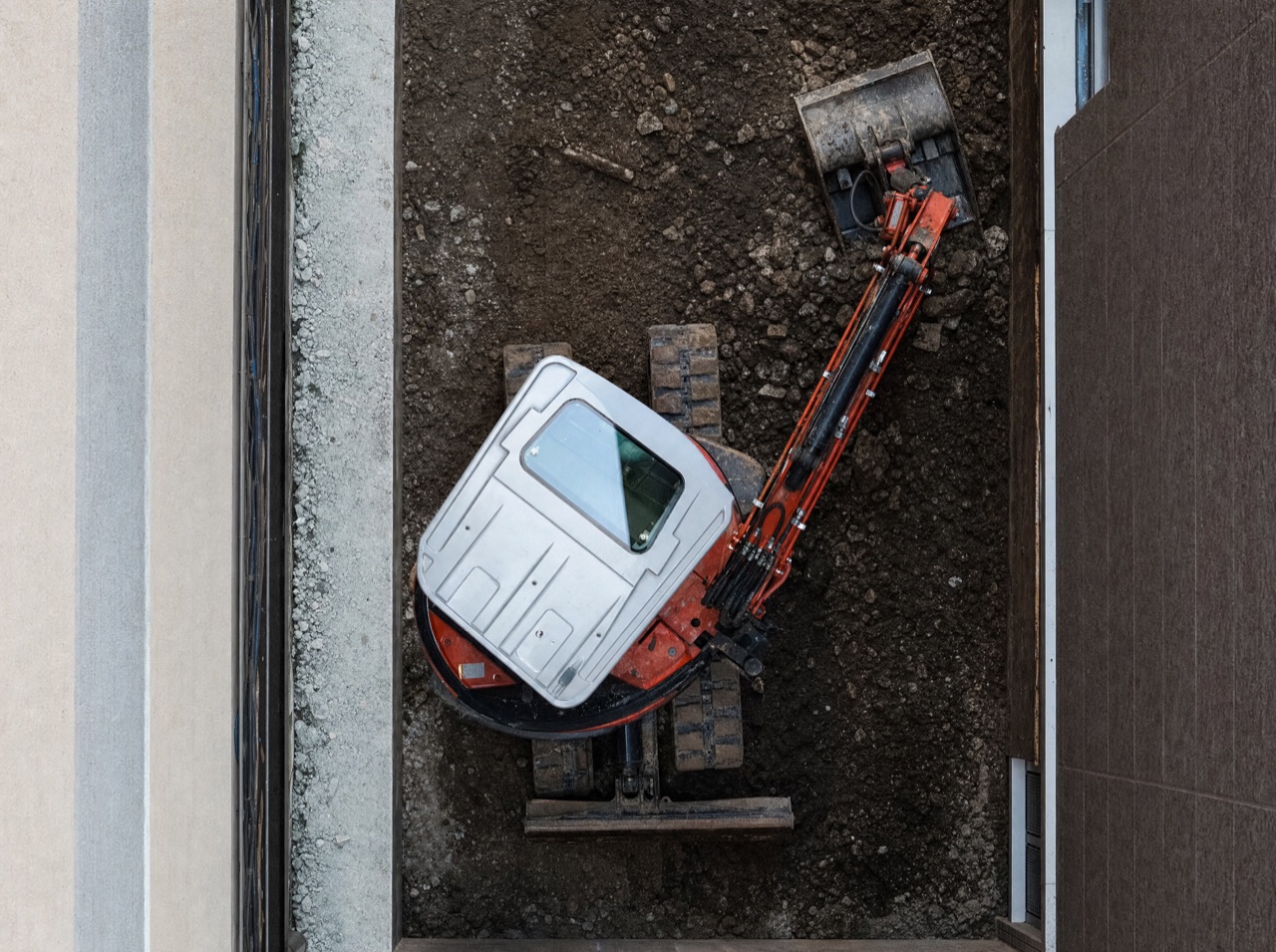
If you are shopping for a compact machine, one of the first decisions you will face is zero tail swing versus conventional mini excavators. The difference comes down to where the back of the machine ends up when the cab rotates, and that single design choice affects how you dig next to walls, how the machine balances, and how much you pay. Understanding the trade-offs before you buy saves you from fighting your equipment on every job.
What “tail swing” actually means
Every excavator rotates its upper structure, the cab, engine, and counterweight, on a slew bearing above the tracks. The counterweight at the rear balances the weight of the boom, arm, and a loaded bucket out front. “Tail swing” describes how far that rear counterweight sticks out past the edge of the tracks as the house spins.
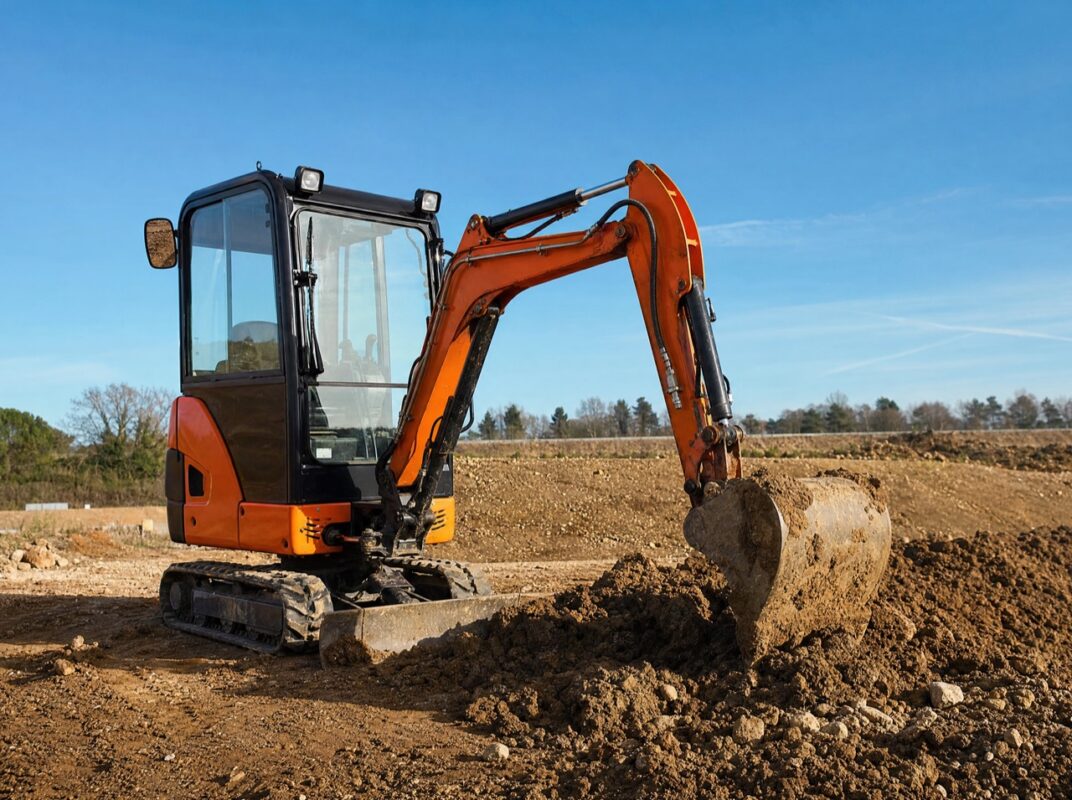
On a conventional machine, the counterweight overhangs the track width by a noticeable margin when the cab turns sideways. That overhang is the part that can clip a wall, a fence, or a parked truck if you are not paying attention. The amount a tail extends past the tracks is what separates the main design categories.
The three rear-end designs
- Conventional tail swing: the counterweight extends well beyond the track width during rotation. These machines typically offer strong digging performance and stability for the size class.
- Reduced (or compact) tail swing: the overhang is trimmed down but not eliminated, a middle-ground design.
- Zero tail swing (ZTS): the counterweight stays within, or nearly within, the width of the tracks through a full rotation, so almost nothing sweeps outside the footprint.
Zero tail swing mini excavators: the case for tight spaces
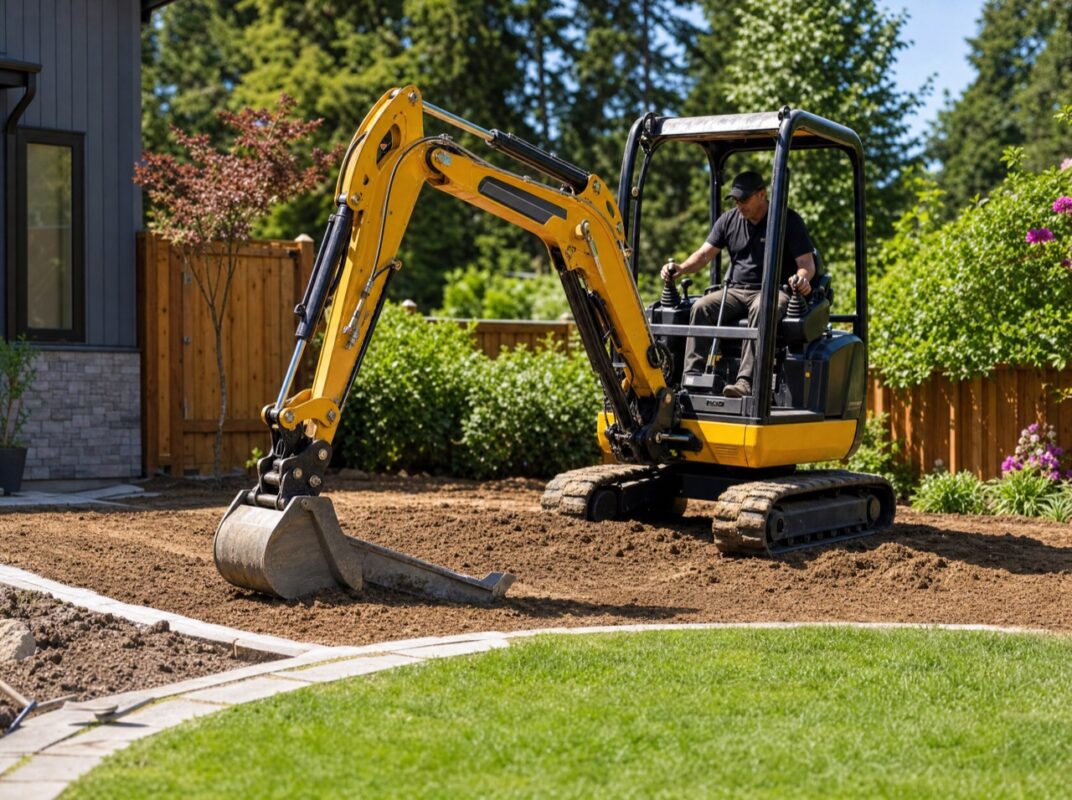
The appeal of a zero tail swing mini excavator is simple. When the rear stays inside the track footprint, you can work with your tracks parallel to a wall and spin the cab without the back end smashing into anything behind you. That is a real advantage on jobs where space is the constraint rather than raw dig depth.
Zero tail swing shines in situations like these:
- Digging footings or utility trenches tight against a house foundation or finished wall
- Working between buildings, fences, or landscaping where there is no room for an overhang
- Indoor demolition, barn work, or jobs inside existing structures
- Road and shoulder work near live traffic, where a swinging tail is a hazard
- Crowded residential lots where you are turning constantly in a small area
Because the operator does not have to track the rear end as carefully, ZTS machines are also more forgiving for newer operators and reduce the odds of an expensive bump. You can browse the lineup of compact options on our mini excavators page to compare footprints and reach.
Conventional mini excavators: the case for value and dig performance
Conventional machines are not the “old” choice; they remain the right tool for plenty of work. By letting the counterweight hang out back, the designers can put more mass over the rear axle, which often translates into solid lifting capacity and stable, confident digging at full reach. For a buyer who works on open ground, acreage, farms, or large sites, that extra rear overhang rarely matters because there is nothing back there to hit.
Conventional designs also tend to carry a lower price for comparable digging numbers, since the engineering to package everything within the track width adds cost. If your jobs are open and your budget is tight, a conventional mini excavator can deliver more capability per dollar.
Where conventional machines make sense
- Open agricultural and rural property with room to maneuver
- Land clearing, pond work, and grading on larger lots
- Buyers prioritizing maximum dig and lift for the price
- Operators experienced enough to manage the tail naturally
Head-to-head: how the two designs compare
Neither design is universally better. The right answer depends on your job site. Here is how the two stack up across the factors that matter most.
- Working clearance: ZTS wins decisively in tight quarters; conventional needs room behind the machine.
- Stability and lift: conventional often edges ahead at full reach thanks to the rear counterweight, though modern ZTS machines are well balanced.
- Price: conventional usually costs less for equivalent dig specs.
- Operator workload: ZTS reduces the mental load of watching the tail, lowering the risk of contact damage.
- Resale and versatility: ZTS machines appeal to a broad rental and contractor market because they go more places.
- Visibility and serviceability: both are competitive, though packaging everything inside the track width on a ZTS can make some components more compact to access.
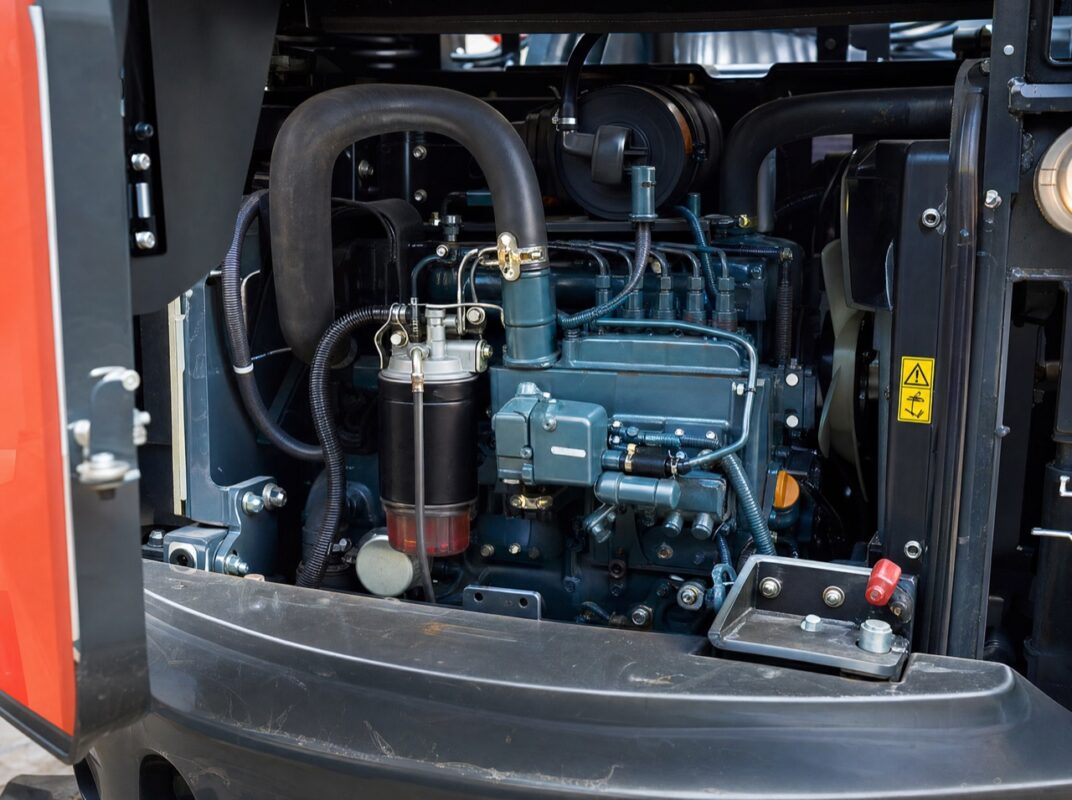
Whichever style you choose, machines in this class run proven, EPA-certified diesel power, and many use genuine Kubota engines for dependable starting and fuel efficiency. You can see the full range across both designs on our shop page.
A buyer’s checklist for choosing tail swing
Run through these questions before you commit. They cut straight to which design fits your work:
- Do you regularly dig within a few feet of walls, fences, or structures? If yes, lean ZTS.
- Is most of your work on open ground with room to spare? Conventional may save you money.
- Will less-experienced operators run the machine? ZTS is more forgiving.
- Do you do road, sidewalk, or traffic-adjacent work? ZTS reduces strike hazards.
- Is maximum lift capacity at full reach your top priority? Conventional often delivers more for the price.
- Do you rent the machine out or work varied sites? ZTS versatility tends to pay off.
Also confirm the practical specs that apply to either design: dig depth, transport weight for your trailer, track width for gate and aisle clearance, and whether you want rubber tracks for finished surfaces. If you are unsure which class of machine matches your trailer and job mix, our team can walk you through it through the contact page or by phone at +1 (213) 800 9299.
Frequently asked questions
Is a zero tail swing excavator less stable than a conventional one?
Not meaningfully for everyday work. ZTS machines are engineered with denser, repositioned counterweights to keep balance within the track width. Conventional designs can hold a small edge in lift capacity at maximum reach, but a properly spec’d ZTS machine digs and lifts confidently on level ground. Always work within the published load chart regardless of design.
Does zero tail swing cost more?
Often, yes, a modest premium. Packaging the engine and counterweight inside the track width takes more engineering, so a ZTS model can carry a higher price than a conventional machine with similar dig specs. Many buyers find the extra working clearance and lower risk of damage well worth it for tight-site work.
Can I still dig deep with a compact zero tail swing machine?
Yes. Tail swing design affects rotation clearance, not dig depth. Dig depth is set by boom and arm geometry, so you can find zero tail swing models with the same reach and depth as conventional machines in the same weight class.
The bottom line
Choosing between zero tail swing and conventional mini excavators is really about matching the machine to your sites. If you work in tight, finished, or traffic-heavy spaces, a zero tail swing mini excavator pays for itself in clearance and peace of mind; if you work open ground and want the most digging muscle for your dollar, a conventional design is a smart, cost-effective pick. Both ship free to the lower 48 and come backed by a one-year parts warranty with direct technical support. When you are ready to compare footprints, dig depths, and pricing, browse our mini excavators or explore the full catalog in our shop and we will help you land on the right fit.