Blog
What Size Mini Excavator Do I Need? 1 to 6 Ton Sizes Explained

Asking “what size mini excavator do I need?” is the smartest first step before you buy, because the right tonnage saves you money, fits through your gates, and still handles the digging you have planned. Mini excavators in the 1 to 6 ton range cover an enormous span of work, from backyard trenching to serious site prep, and the gap between a 1.5 ton and a 5 ton machine is bigger than most first-time buyers expect. This guide walks through each size class, the real-world numbers that matter, and a simple way to match a machine to your property and projects.
How mini excavator size is measured
Mini excavators are grouped by operating weight, usually expressed in metric tons. That single number drives almost everything else about the machine: how deep it digs, how much it can lift, how wide it is, and what you can tow it with. When you compare any two units in our lineup of mini excavators, weight is the fastest way to understand which one is the bigger, more capable tool.
Three specs deserve your attention before tonnage even enters the conversation:
- Transport width — the machine’s footprint at its narrowest. This decides whether it fits through a fence gate, a side yard, or an interior doorway.
- Maximum dig depth — how far below grade the bucket can reach, which governs footings, utility lines, and septic work.
- Lift capacity — how much weight you can safely raise and place, important for setting pipe, pallets, or landscape boulders.
Pick the smallest class that clears all three of your requirements, and you’ll usually land on the right machine.
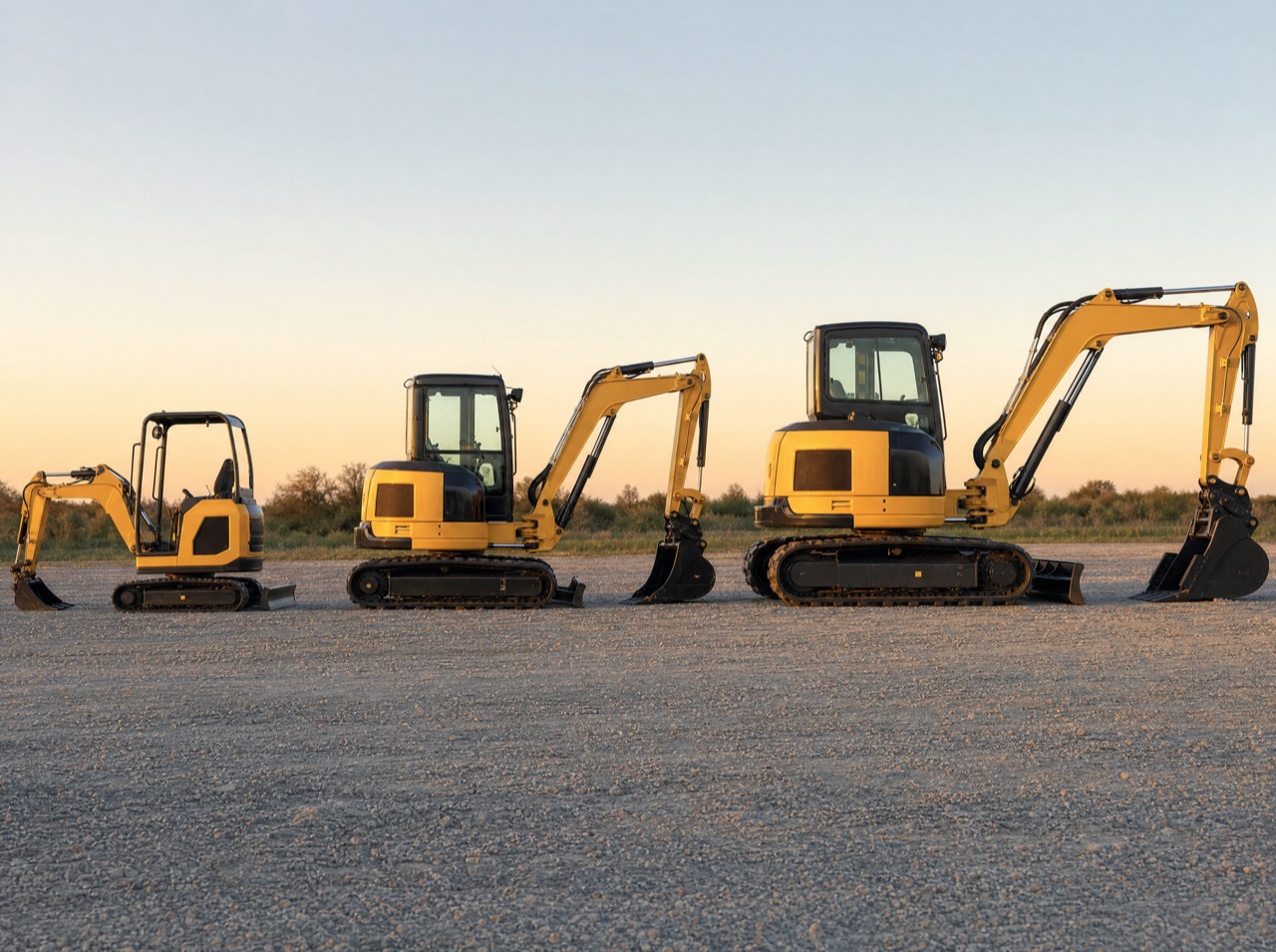
The 1 to 2 ton class: tight access and finish work
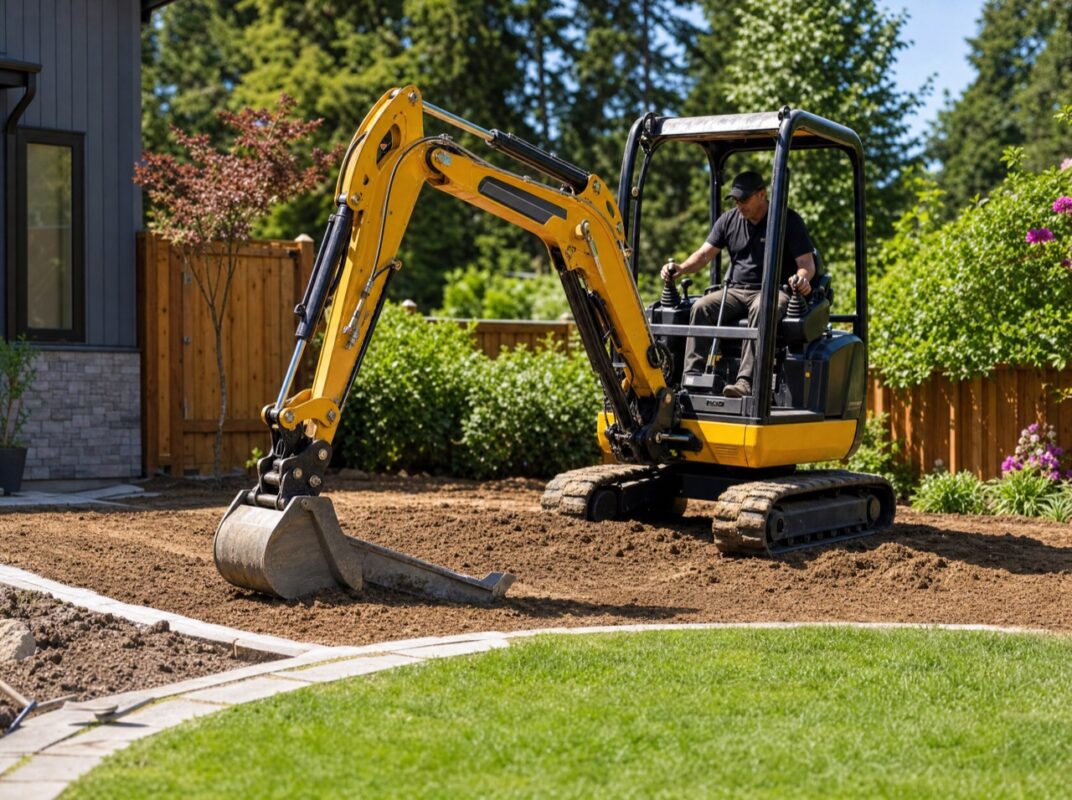
Machines in roughly the 1 to 2 ton range are the go-to choice for homeowners, landscapers, and anyone working in confined spaces. Many models in this class have retractable tracks that narrow to around 28 to 36 inches, so they slip through standard gates and side yards without tearing up the lawn. Despite their small footprint, they typically dig in the 6 to 8 foot depth range, which is plenty for irrigation lines, footings, drainage, and small foundations.
Best for
- Backyard landscaping, ponds, and tree planting
- Trenching for sprinklers, water, gas, or electric service
- Tight residential lots and indoor demolition
- Owners who tow with a half-ton truck and a standard trailer
If your work lives behind houses and inside fences, this is almost always the right starting point. The light weight means easy transport and minimal ground disturbance.
The 3 to 4 ton class: the all-around workhorse
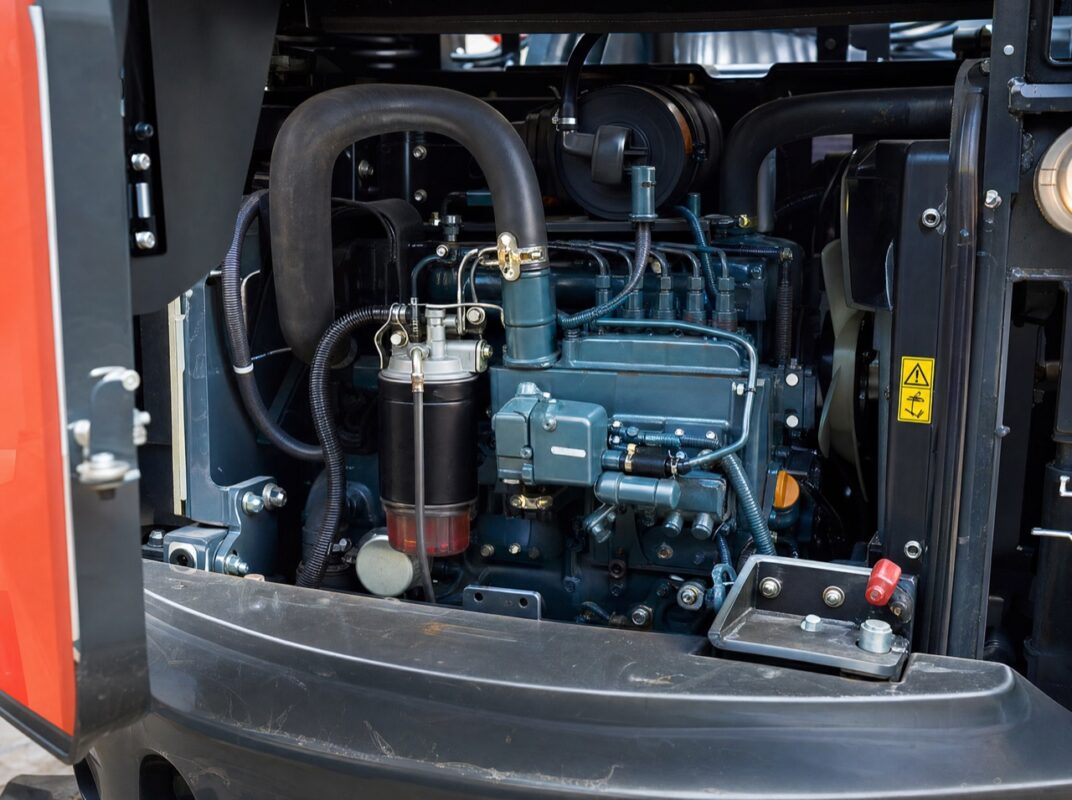
The 3 to 4 ton size is where most serious property owners and small contractors settle, and for good reason. These machines balance access and muscle better than any other class. They commonly dig 9 to 11 feet deep, lift noticeably more than the smallest units, and still transport on a common tandem-axle trailer. Many of these machines run a genuine Kubota diesel engine, giving you the torque to push through clay, roots, and compacted fill without bogging down.
This is the class to consider if you regularly handle septic systems, larger foundations, culverts, or grading work, yet still need a machine that won’t overwhelm a residential driveway. It’s a versatile middle ground that rarely leaves you wishing you’d gone bigger.
The 5 to 6 ton class: production and heavy lifting
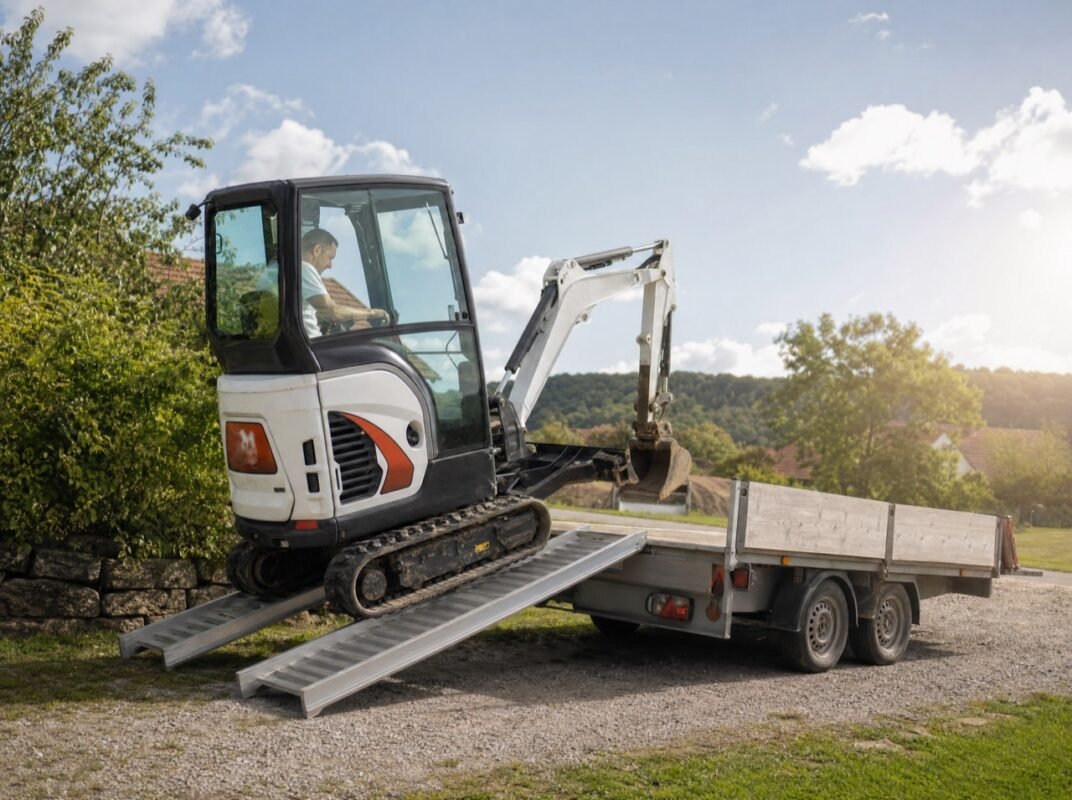
At 5 to 6 tons, you cross into genuine production territory. These excavators dig deeper, often past 12 feet, swing heavier buckets, and lift the kind of weight that lets you set pipe, place concrete structures, and move material all day. The trade-off is size: they’re wider, heavier, and usually need a deck-over or equipment trailer plus a three-quarter-ton or larger truck to haul.
Choose this class when digging is your business rather than an occasional task. Contractors doing utility work, land clearing, or steady site development get their money’s worth from the extra hydraulic power and reach. For a homeowner with a single project, though, a 5 to 6 ton machine is often more excavator than the job requires.
Match the machine to your job: a quick checklist
Run through this list before you decide. Answering honestly will point you to the correct tonnage almost every time.
- Measure your tightest access point. Gates, side yards, and gateposts set a hard limit on transport width.
- Define your deepest dig. Footings, utilities, and septic lines determine the dig depth you can’t go below.
- Estimate your heaviest lift. Pipe, pallets, and boulders set your minimum lift capacity.
- Check your tow vehicle and trailer. Your truck’s rating and trailer capacity may cap how much machine you can legally move.
- Plan your surfaces. Finished lawns and pavers favor lighter machines and rubber tracks.
- Think one project ahead. If bigger work is coming, sizing up slightly now beats renting later.
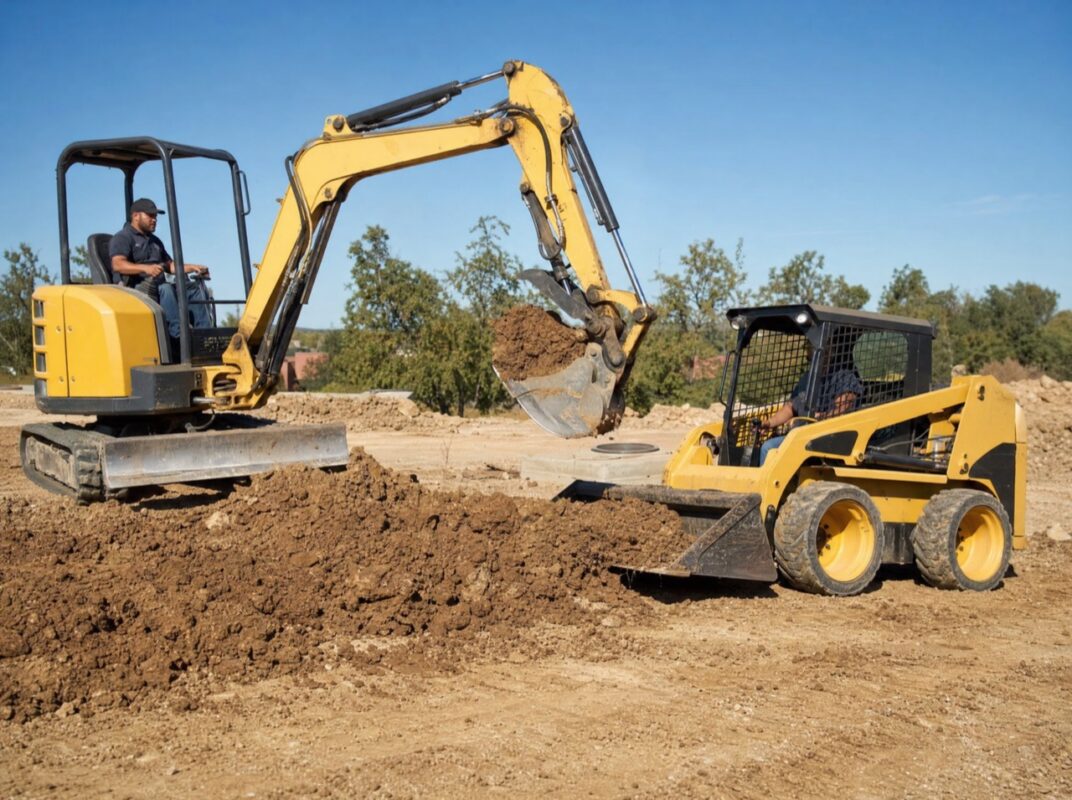
When in doubt, our team can talk through your specific jobs by phone at +1 (213) 800 9299 or email at sales@kubotaexcavator.com, and you can browse the full range of mini skid steers if a different machine fits your terrain better.
Don’t forget attachments and ground conditions
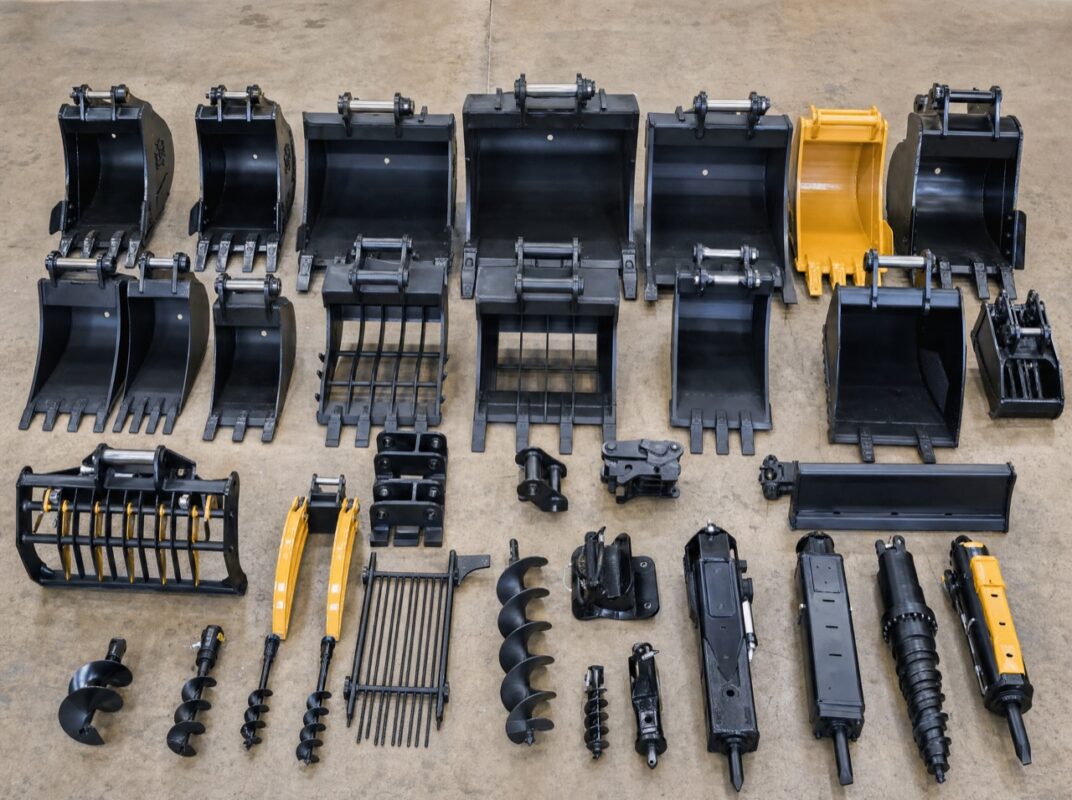
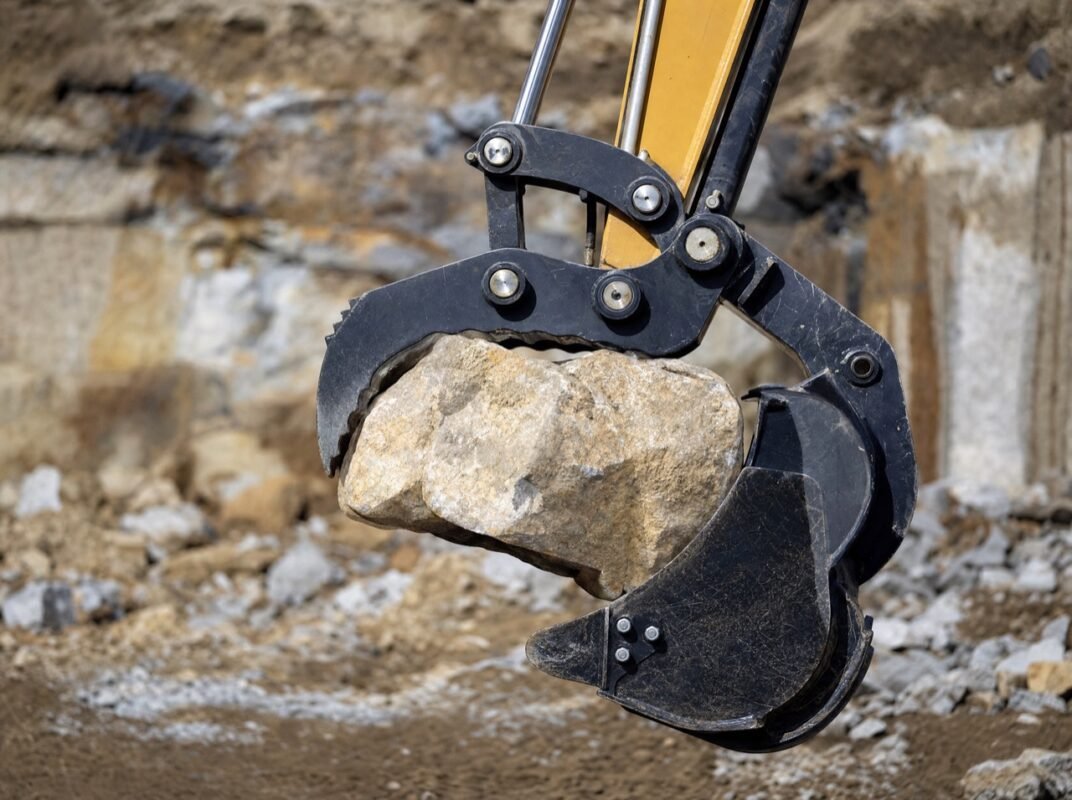
The right size mini excavator is only half the decision. Auger bits, hydraulic thumbs, breakers, grapples, and grading buckets all expand what a single machine can do, and a well-chosen set of attachments can let a mid-size unit handle work you’d otherwise size up for. Just confirm the machine’s auxiliary hydraulic flow matches the attachment you want.
Ground conditions matter too. Soft, wet, or sandy soil favors wider tracks and lighter weight to avoid sinking, while hard, rocky ground rewards the extra breakout force of a heavier machine. Slopes and uneven terrain also reward a lower center of gravity, which generally means staying in the 3 to 4 ton range or below for residential settings.
Frequently asked questions
What size mini excavator is best for a homeowner?
For most homeowners, a 1 to 2 ton machine handles landscaping, trenching, and small foundations while still fitting through gates and towing behind a standard pickup. If you have larger acreage or recurring projects, stepping up to the 3 to 4 ton class gives you more depth and lifting power without becoming hard to transport.
How deep can a mini excavator dig?
Dig depth scales with size. Smaller 1 to 2 ton units typically reach about 6 to 8 feet, the popular 3 to 4 ton class digs roughly 9 to 11 feet, and 5 to 6 ton machines can pass 12 feet. Always check the published specification for the exact model you’re considering, since reach varies by manufacturer and configuration.
Can I tow a mini excavator with a half-ton truck?
A 1 to 2 ton mini excavator on a suitable trailer is generally within reach of a half-ton truck, but you must add the trailer weight and stay under your truck’s towing rating. Larger 4 to 6 ton machines usually call for a three-quarter-ton or one-ton truck and a heavier trailer, so verify the combined weight before you haul.
The bottom line
Figuring out what size mini excavator you need really comes down to three honest measurements: your tightest access point, your deepest dig, and your heaviest lift. Pick the smallest class that clears all three and you’ll get a machine that fits your property, your truck, and your budget without paying for capacity you’ll never use. With free freight shipping to the lower 48, EPA-certified machines, and a 1-year parts warranty backed by direct technical support, it’s easy to buy with confidence. When you’re ready, compare specs across our mini excavators or browse the full catalog in our shop to find the right-sized machine for the work ahead.