Blog
New vs Used Mini Excavators: Is Buying New Worth It?

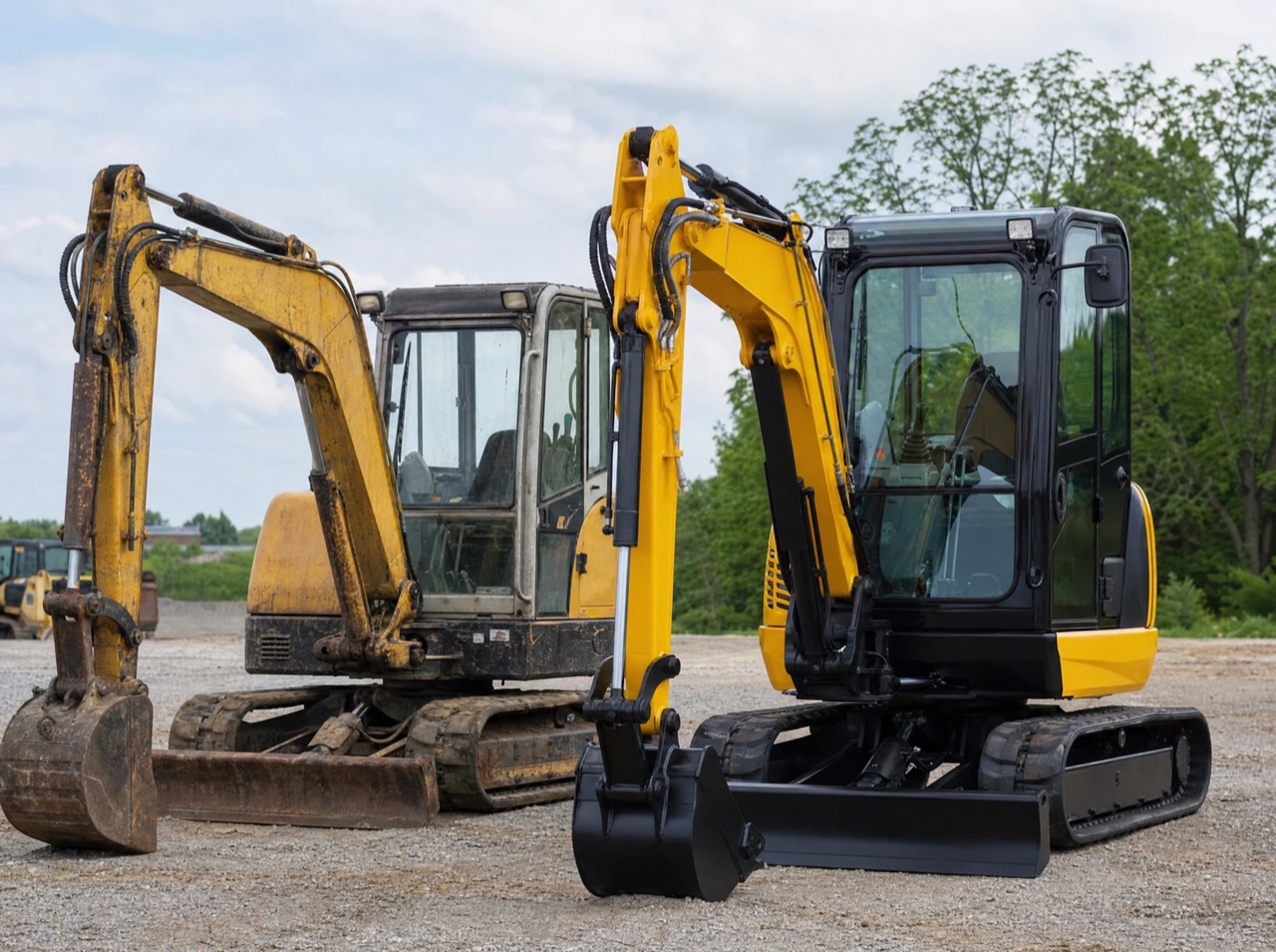
Choosing between new vs used mini excavators comes down to a simple question with a not-so-simple answer: do you pay more up front for a clean machine with a warranty, or save money on a used unit and accept the unknowns that come with it? For homeowners, farmers, ranchers, and contractors, that decision shapes your budget, your uptime, and how much wrenching you’ll do over the next few years. This guide breaks down the real trade-offs so you can decide whether buying new is worth it for the work you actually do.
What you’re really paying for with a new mini excavator
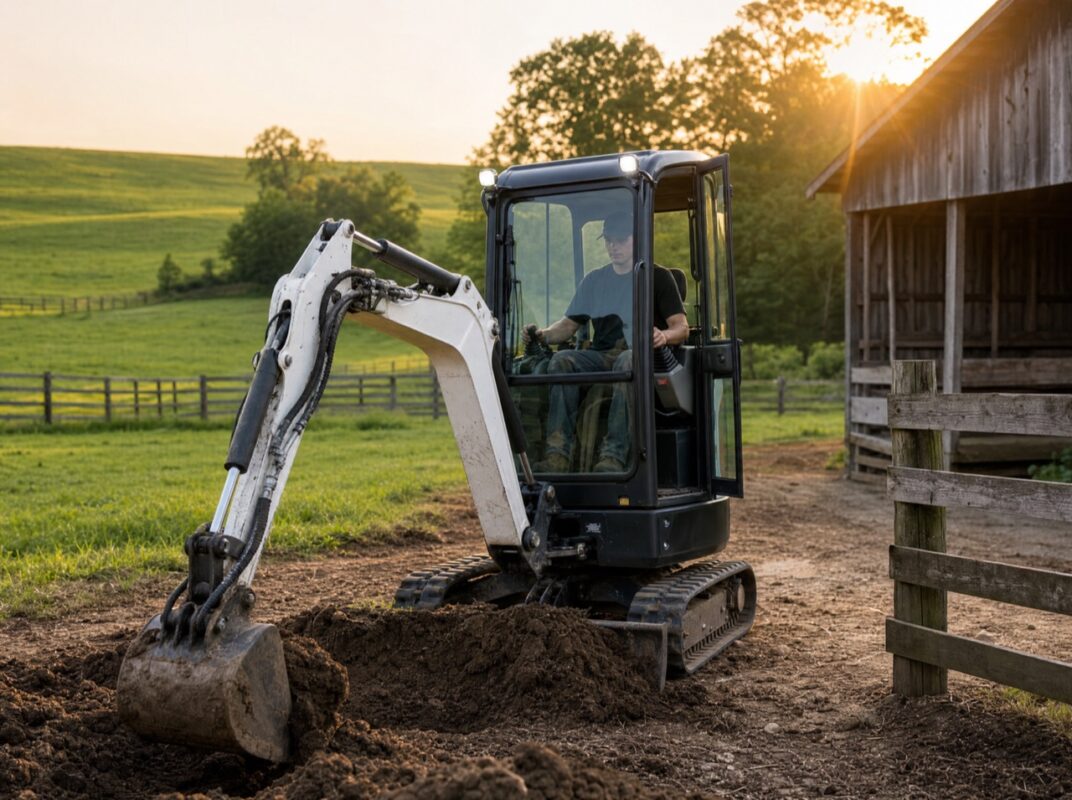
The sticker price on a new mini excavator buys more than a fresh coat of paint. You’re paying for zero operating hours, a full factory warranty, current emissions compliance, and a machine nobody has abused before you. That matters most when your income or your weekend depends on the machine starting every morning. A new unit also comes with predictable maintenance: you know exactly when the first service is due because you’re the one putting the hours on it.
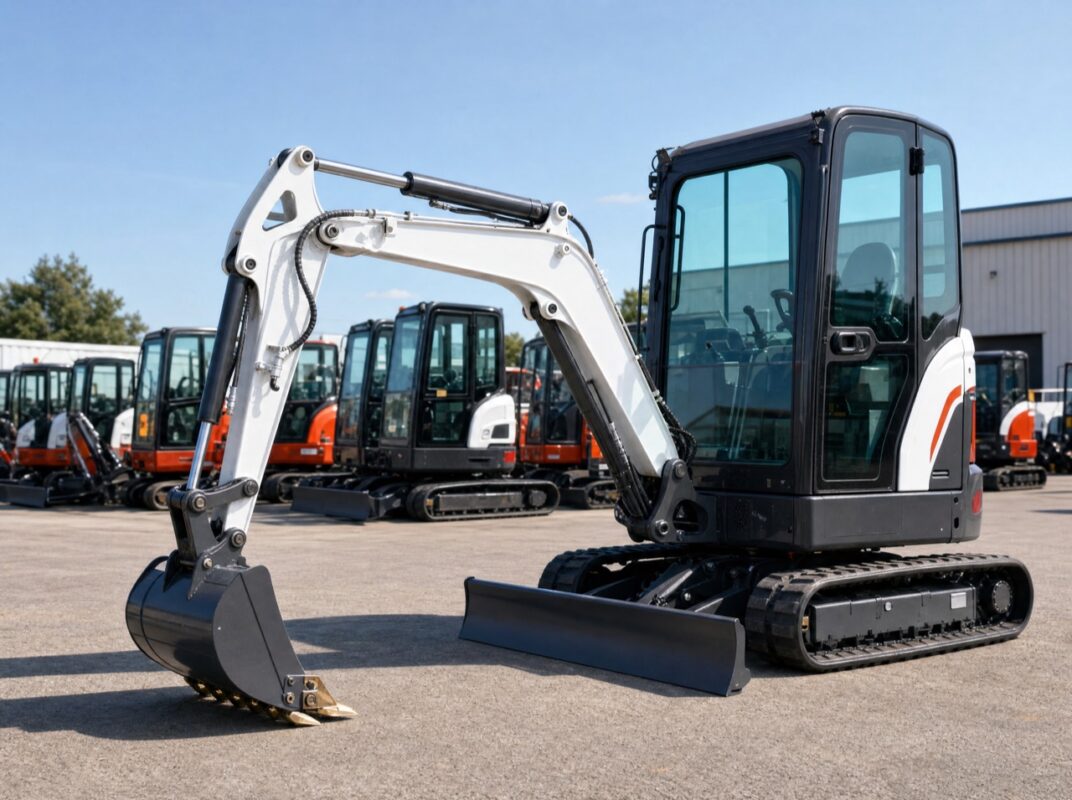
When you weigh new vs used mini excavators, think about the cost of downtime, not just the purchase price. A used machine that’s $4,000 cheaper isn’t a deal if it sidelines you for a week mid-project. New machines also tend to carry the latest hydraulics, quieter cabs, and updated safety features, all of which add up over long days in the seat. You can browse current new models across our mini excavators lineup to see what modern compact equipment offers.
The case for buying used: where it makes sense
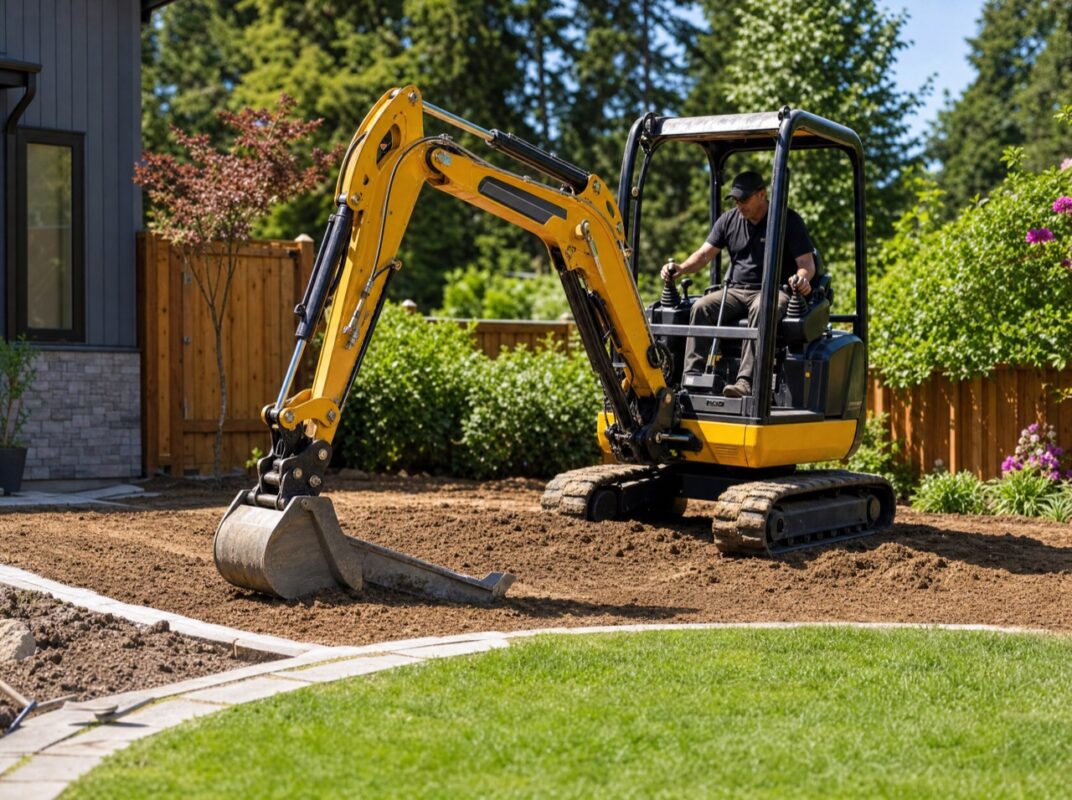
Used mini excavators aren’t a compromise for everyone. If you’re a homeowner clearing a one-time project, a hobby farmer with light seasonal tasks, or anyone who’ll log only a few dozen hours a year, a well-kept used machine can be the smarter spend. Low-hour units from owners who maintained them properly can deliver years of service for a fraction of the new price.
Used also makes sense when you want to step into a larger size class without the larger payment, or when you’re testing whether a mini excavator earns its keep in your operation before committing to new. The key word is well-kept. A used machine is only a bargain if its history holds up under inspection.
Good reasons to go used
- Light or occasional use where hours accumulate slowly
- A tight up-front budget with cash on hand
- You have mechanical skills and can handle minor repairs yourself
- You want a bigger machine than your budget allows brand new
The hidden costs of used machines
The danger with used equipment is the cost you can’t see at purchase. Worn undercarriage components, tired hydraulic pumps, neglected final drives, and overdue services can erase your savings fast. Tracks and rollers alone can run into serious money, and a failing hydraulic system can cost more to rebuild than the discount you got buying used.
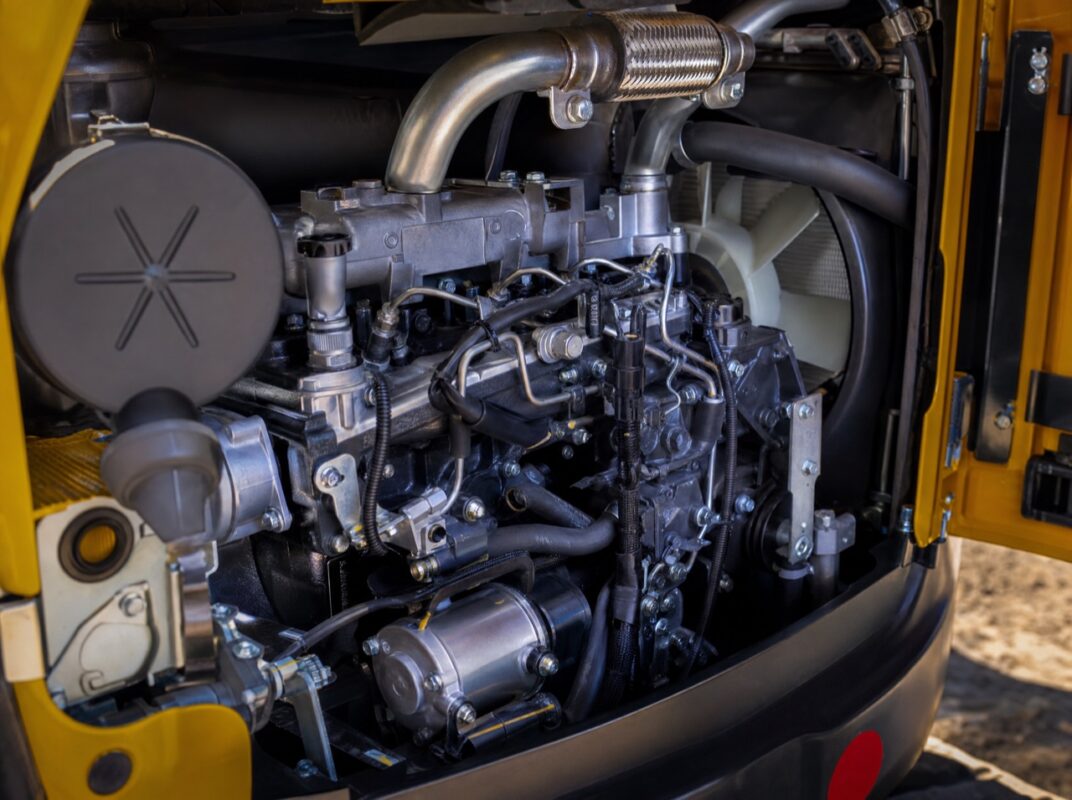
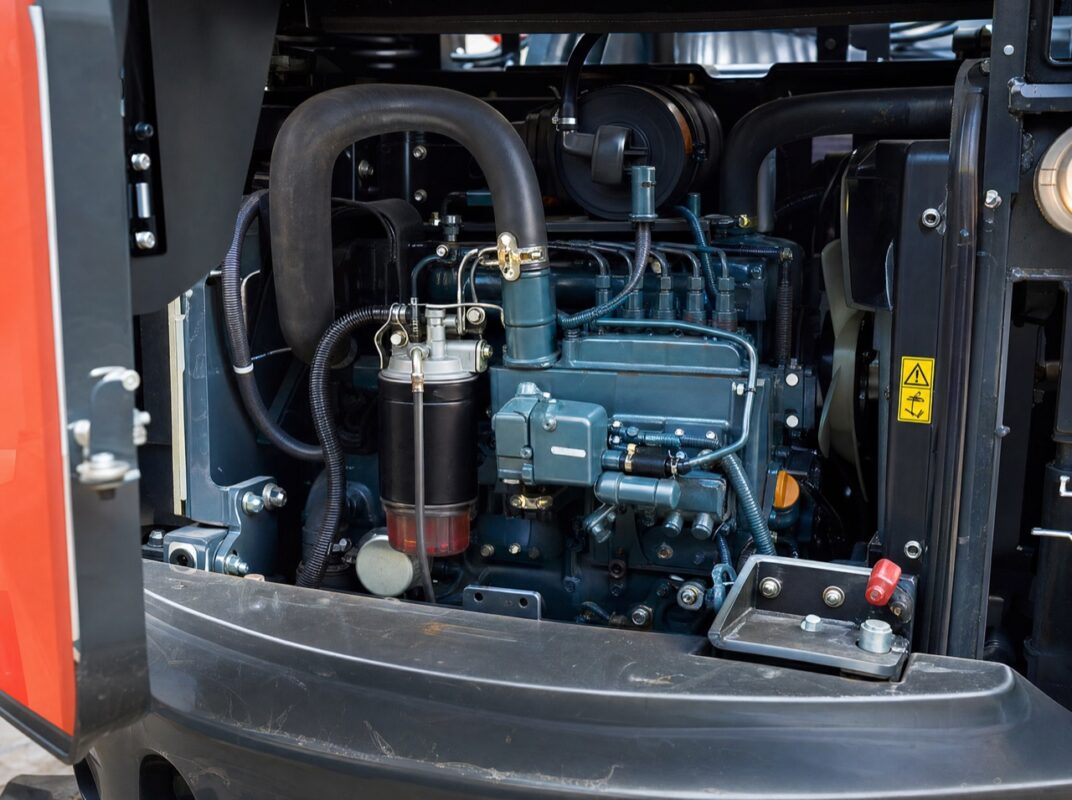
There’s also the paperwork and provenance problem. A machine with no service records, an unclear ownership chain, or a rolled-back hour meter is a gamble. Engine condition is the big one: many compact machines, including those running genuine Kubota diesel engines, are durable when serviced on schedule but expensive to repair when they aren’t. Without documentation, you’re betting that the previous owner cared as much as you do.
New vs used mini excavators: a side-by-side look
Here’s how the two stack up across the factors that matter most to a working owner.
- Up-front price: Used wins. A used machine almost always costs less to buy.
- Total cost of ownership: Often a wash or favors new, once repairs, downtime, and resale are counted.
- Warranty: New wins. Our new machines carry a 1-year parts warranty with direct technical support; most used units arrive as-is.
- Reliability and uptime: New wins for heavy or income-critical use.
- Compliance: New machines are EPA-certified and current, which can matter for some job sites.
- Resale value: New holds a stronger, more predictable resale curve, especially in the first few years.
How to decide which is worth it for you
The honest answer to “is buying new worth it” depends on hours, income, and risk tolerance. Run through this short checklist before you commit either way.
- Estimate annual hours. Under ~100 hours a year leans used; heavy seasonal or daily use leans new.
- Tie it to income. If the machine generates revenue, downtime is expensive and new pays you back in uptime.
- Check the warranty math. A year of parts coverage and tech support has real value; price the used machine as if you’ll fund repairs yourself.
- Inspect or insist on records. No service history on a used unit means you discount the price further or walk away.
- Factor in delivery and setup. With free freight shipping to the lower 48 on our machines, the landed cost gap between new and used narrows. Review the details on our shipping and delivery page.
- Plan your exit. If you’ll resell in a few years, a new machine’s stronger resale can recover much of the premium.
If most of your answers point toward steady use and dependence on the machine, new is usually worth it. If you’ll use it lightly and can self-service, a clean used unit can be the wiser buy.
Don’t forget attachments and sizing
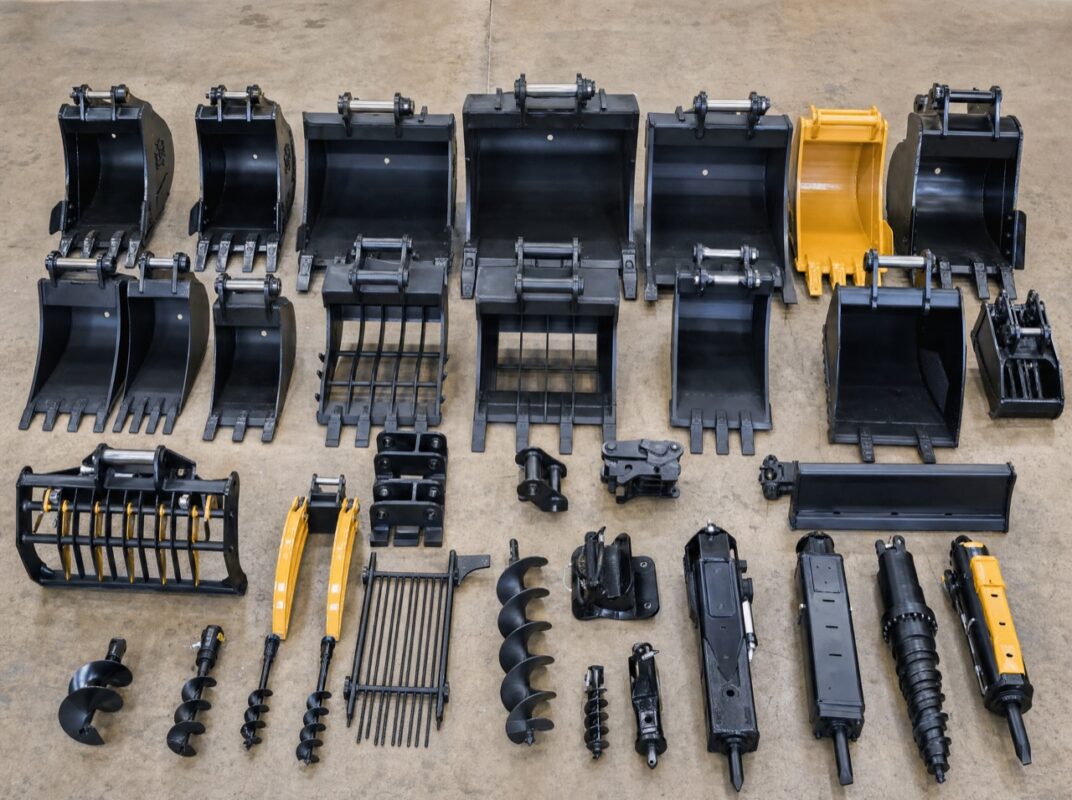
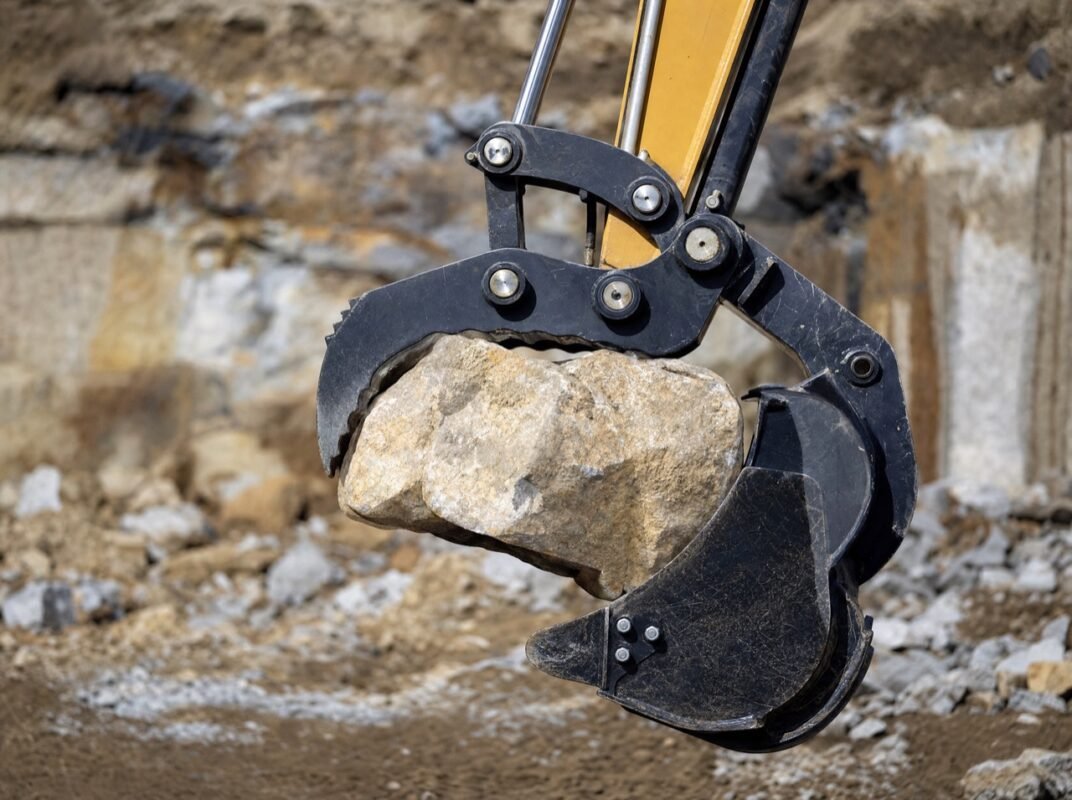
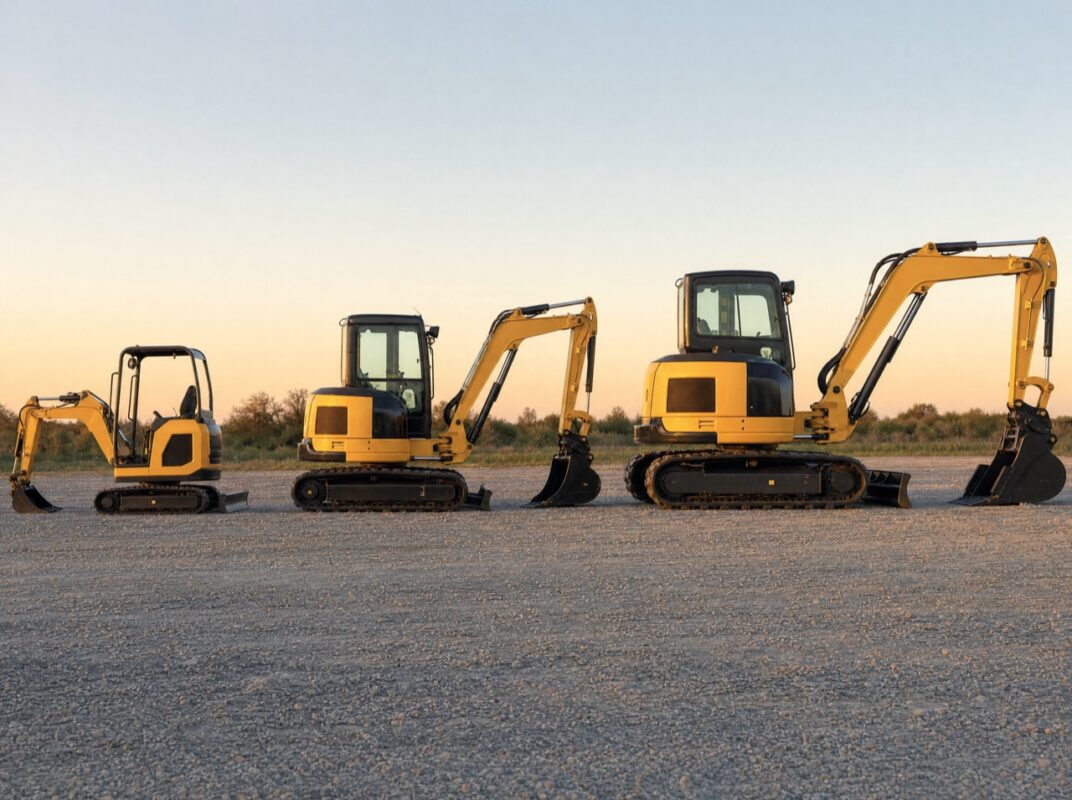
Whether you buy new or used, the machine is only half the equation. The right attachments, augers, breakers, grapples, and buckets, determine how much work you actually get done. A new machine with auxiliary hydraulics ready to run modern attachments can outperform a cheaper used unit that needs adapters or upgrades. Size matters too: a 1-ton class machine is perfect for tight backyards, while ranch and contractor work often calls for 3-ton and up. Explore options across our attachments selection and match them to the size class you’re considering.
Frequently asked questions
How many hours is too many on a used mini excavator?
There’s no hard cutoff, because a well-maintained machine with documented service can outlast a neglected one with half the hours. As a rough guide, treat high-hour units with skepticism unless the seller provides records and the undercarriage, hydraulics, and engine check out. Hours mean less than maintenance history.
Does a new mini excavator really hold its value better?
Generally, yes. New machines depreciate predictably and tend to command stronger resale in their early years, especially well-known compact platforms with genuine Kubota diesel engines. A used machine has already absorbed its steepest depreciation, but it also carries more uncertainty when you go to sell.
Is the warranty worth the price difference?
For many buyers, it’s the deciding factor. A 1-year parts warranty with direct technical support turns surprise repair bills into covered ones during your first year of ownership. If a single hydraulic or drive repair on a used machine would cost as much as the savings, the new machine’s coverage often justifies itself.
The bottom line
When you compare new vs used mini excavators, there’s no universal winner, only the right fit for your hours, your budget, and how much you rely on the machine. Buy used if your use is light and you can manage the unknowns; buy new if uptime, warranty, and resale matter to your bottom line. If you want a machine that starts every morning, is EPA-certified, and ships free to the lower 48, take a look at our current mini excavators or browse everything in the full shop to find the size and configuration that fits your work.