Blog
Best Mini Excavators for Landscaping Projects

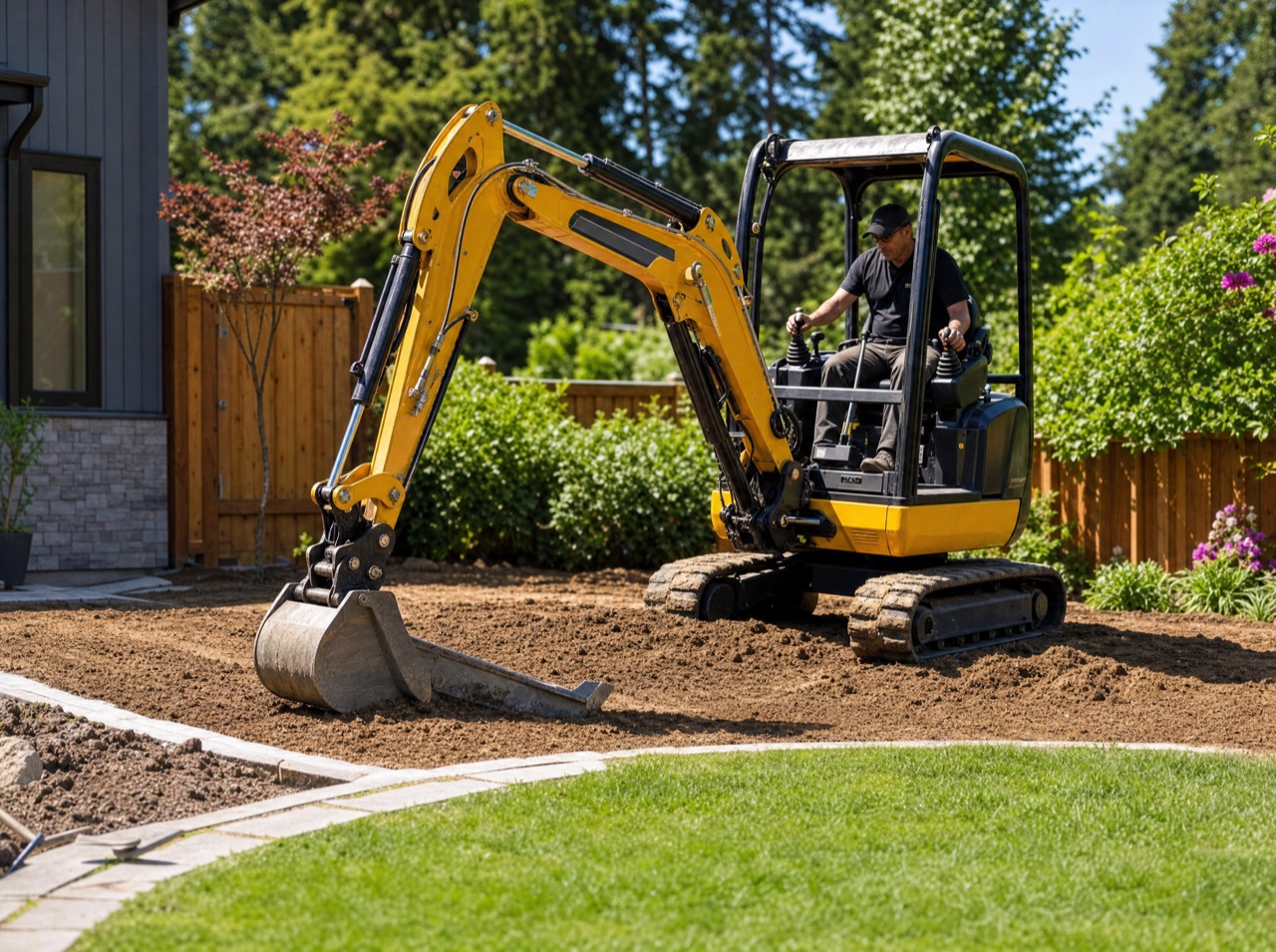
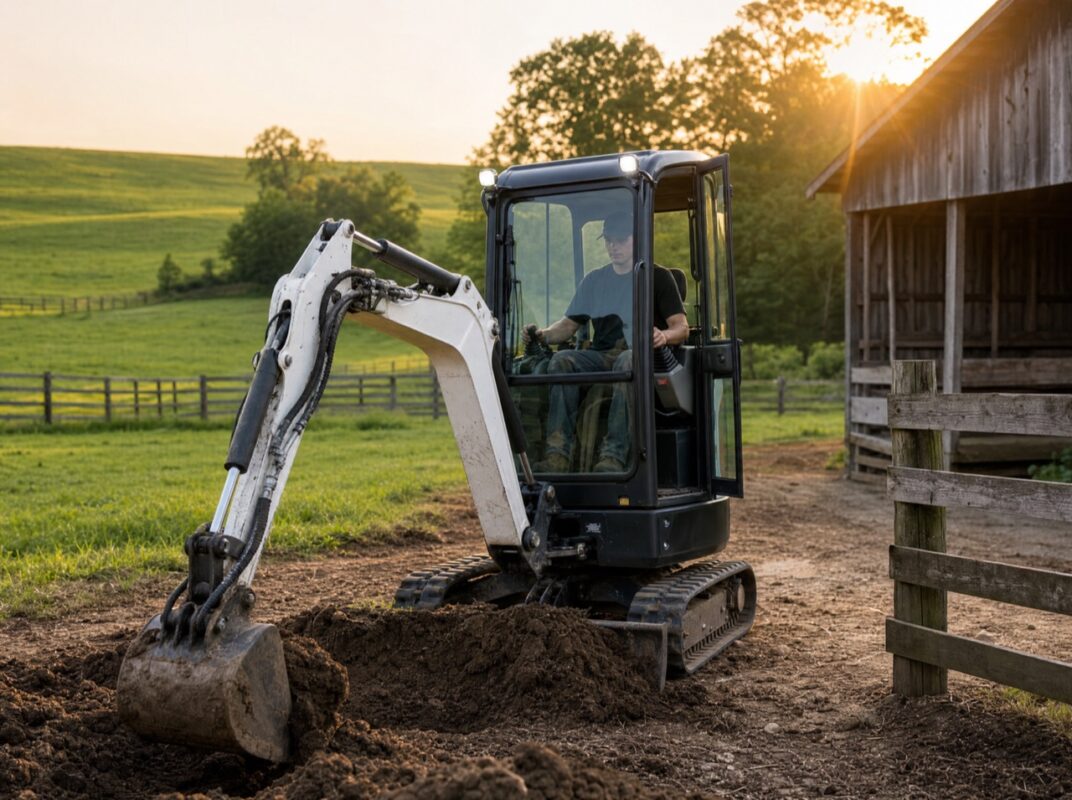
Landscaping rewards machines that dig precisely, turn in tight spaces, and tread lightly on finished ground. That is exactly why the best mini excavators for landscaping projects have become a go-to tool for homeowners, ranchers, and crews who want to move dirt without tearing up the whole yard. In this guide we break down how to match a compact excavator to landscaping work, what specs actually matter, and how to protect the lawn while you dig.
Why mini excavators fit landscaping work so well
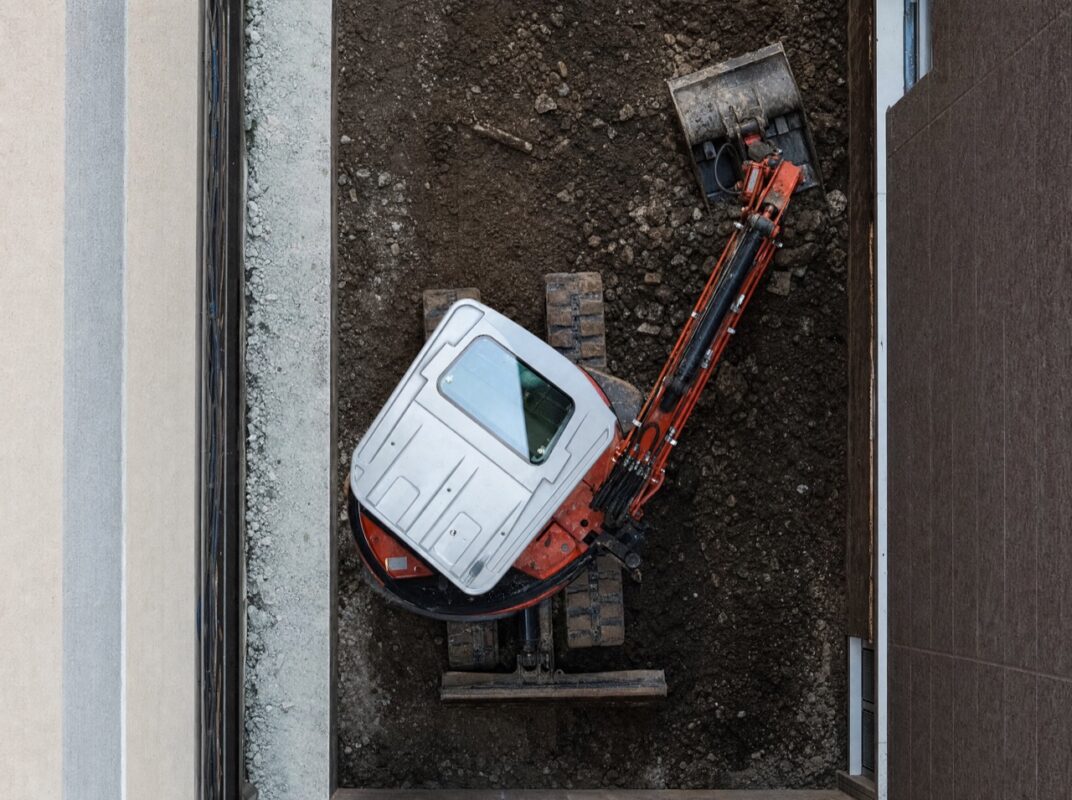
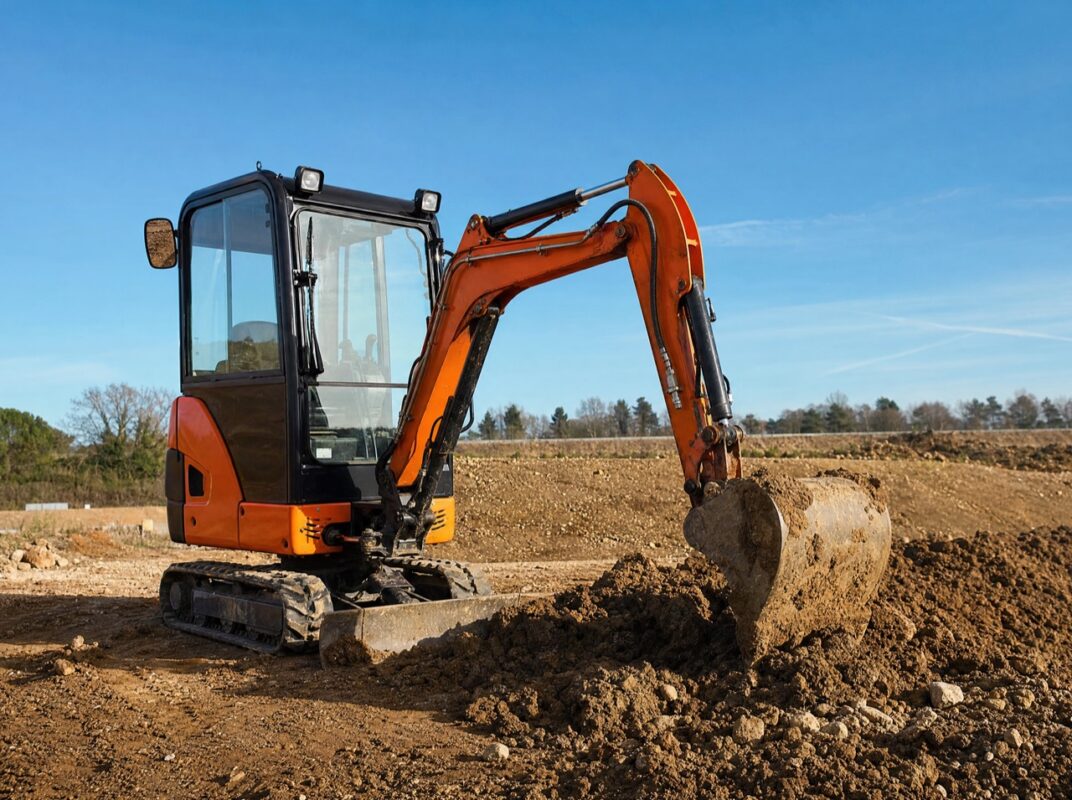
Full-size machines are overkill for most yard and property jobs, and they leave deep ruts and compacted soil behind. A mini excavator gives you real digging force in a footprint that fits through a side gate, around mature trees, and along fence lines. For landscaping, that maneuverability is the whole point. You can trench an irrigation line, set boulders, dig a pond edge, or pull stumps without staging a giant machine on a small lot.
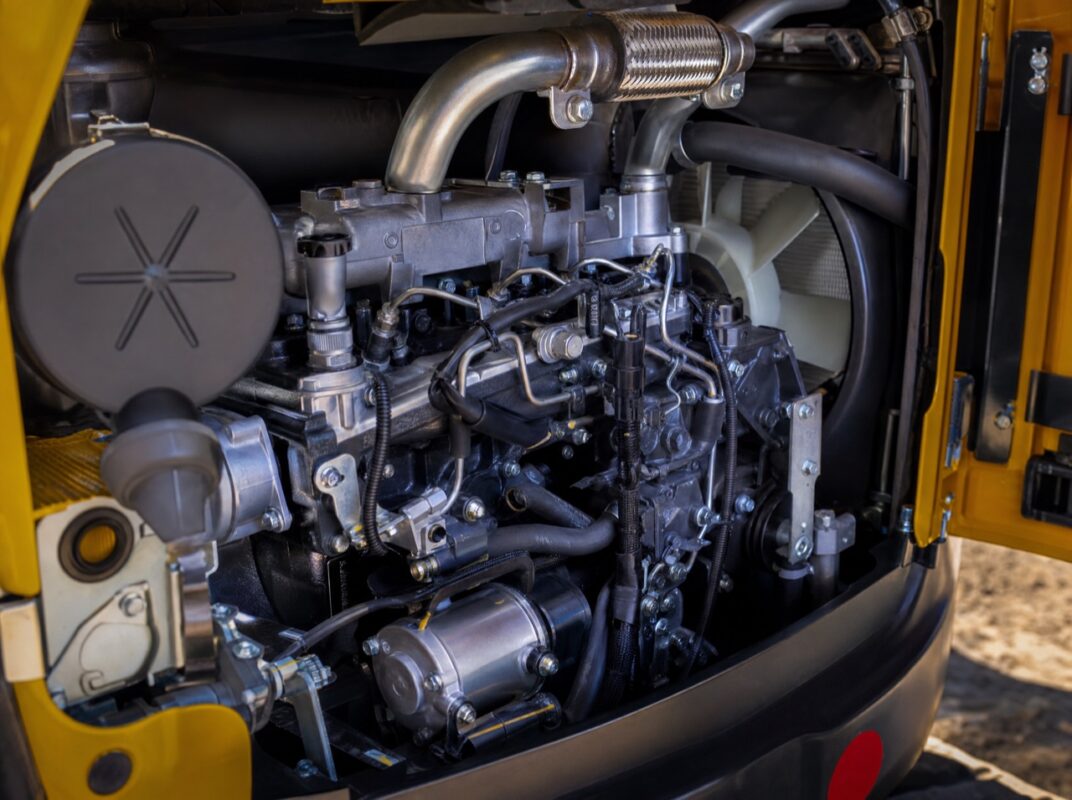
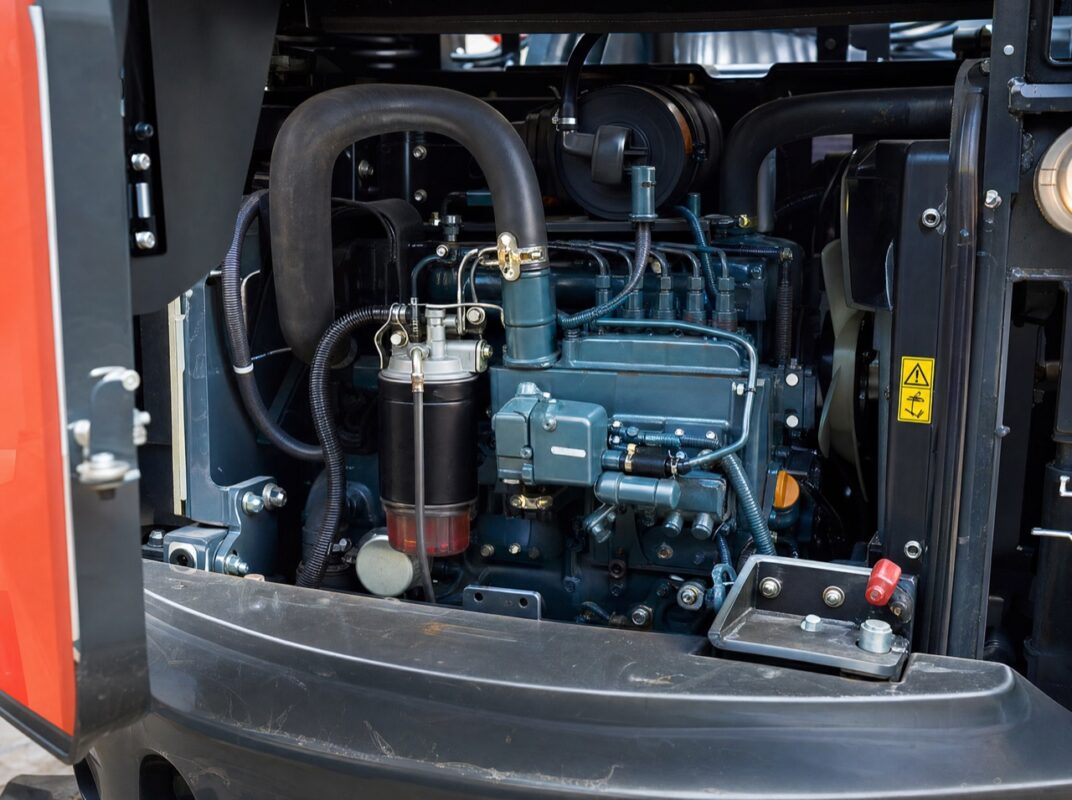
The other advantage is finesse. Hydraulic controls let you feather the boom and bucket for grading and shaping, so you can sculpt swales and beds rather than just bulldoze them. Many of the machines in our mini excavator lineup run genuine Kubota diesel engines, which gives you steady torque for digging and a long, predictable service life.
Choosing the best mini excavators for landscaping by size and weight
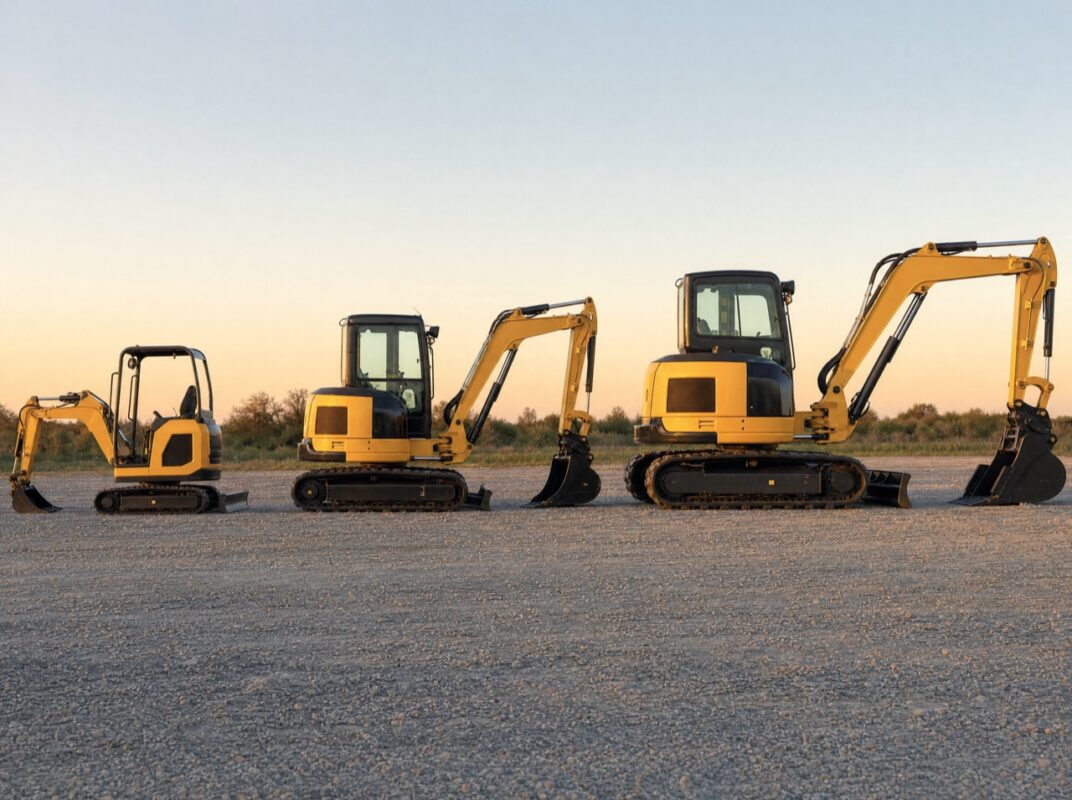
Picking the right size is the single most important decision. Too small and you stall in clay or run out of reach; too large and you wreck the turf you are trying to protect. Here is a simple way to think about the common operating-weight classes for landscaping.
- 1 to 2 ton: Ideal for tight backyards, gardens, and retractable-track machines that fit through a standard gate. Best for trenching, planting holes, and light grading near structures.
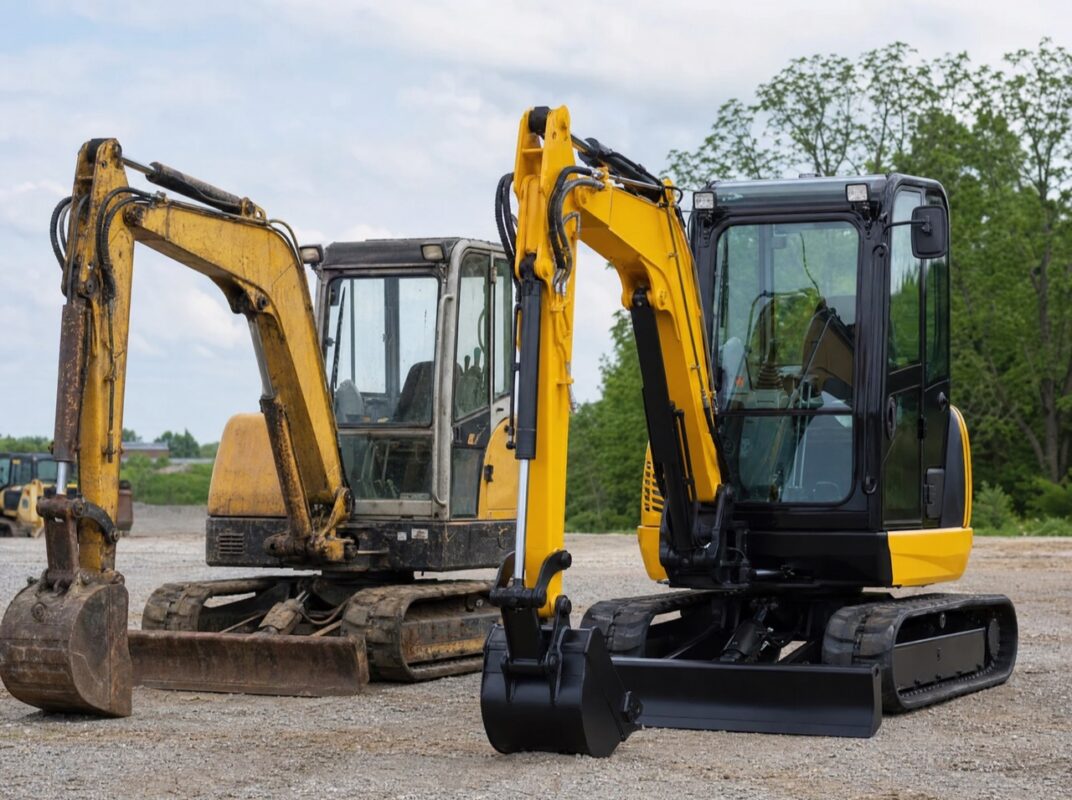
- 2 to 3.5 ton: The landscaping sweet spot for most properties. Enough digging depth and reach for drainage, retaining walls, and small ponds, while staying easy to transport on a standard trailer.
- 3.5 to 6 ton: For ranchers, larger acreage, and contractors handling stump removal, boulder placement, and deeper utility work where reach and bucket force matter more than gate clearance.
Match the class to your heaviest recurring task, not your lightest one. If you regularly dig in heavy clay or set large rock, size up. If your work is delicate bed shaping and irrigation around finished landscaping, a lighter machine protects the ground better.
The specs that matter for landscaping
Digging depth and reach
For most residential landscaping, a maximum digging depth in the 7 to 10 foot range covers drainage, footings, and utility trenches. Reach matters when you want to sit the machine in one spot and work a wide arc, which reduces how often you reposition and re-track over finished ground.
Tail swing
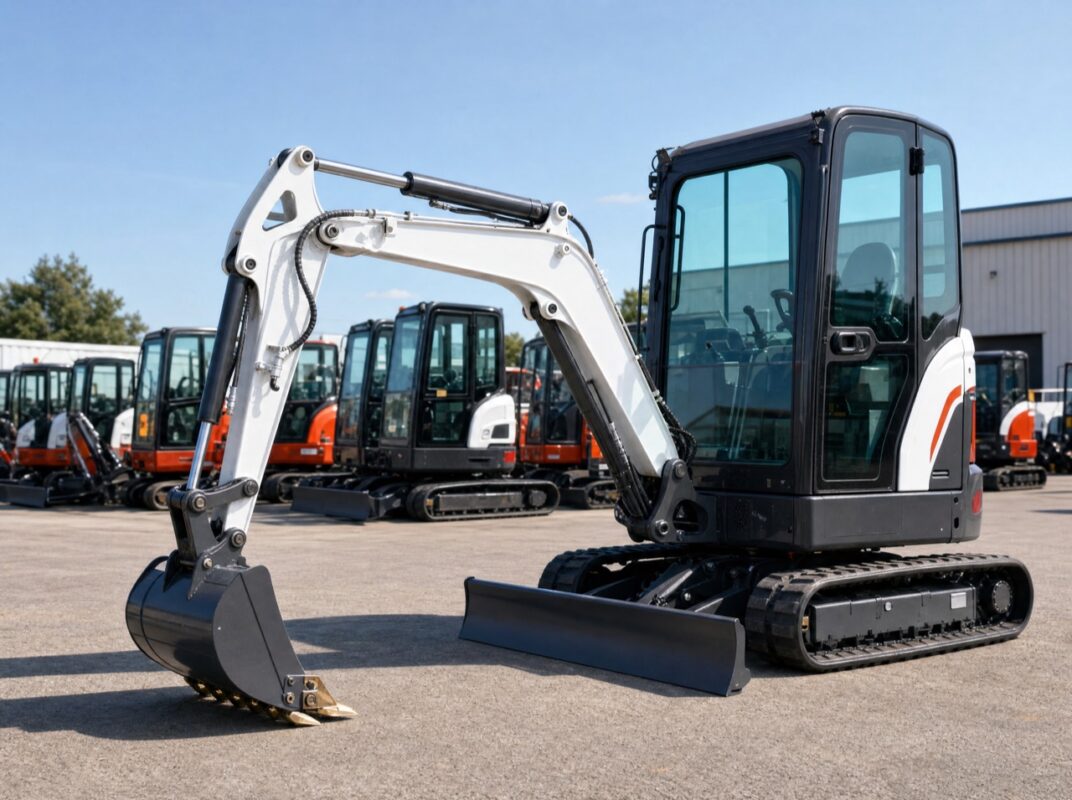
Zero or reduced tail-swing designs keep the rear of the machine within the track width as it rotates. That is a real advantage when you are working close to a house, fence, or wall, because you can pivot without worrying about the counterweight clipping something behind you.
Track type and ground pressure
Rubber tracks are the standard for landscaping because they distribute weight, grip without chewing turf, and ride well on driveways and pavers. Lower ground pressure means less rutting and less repair work afterward. Expandable undercarriages let you narrow the machine to fit through gates, then widen for stability while digging.
Auxiliary hydraulics
If you plan to run augers, breakers, or grapples, confirm the machine has auxiliary hydraulic lines and the flow to drive them. This one feature turns a digging machine into a true landscaping multi-tool.
Attachments that earn their keep
The bucket is only the beginning. The right attachment can replace hours of hand labor and let one machine handle an entire project list. Common landscaping attachments worth considering include:
- Augers: Fast, clean holes for fence posts, deck footings, and tree planting.
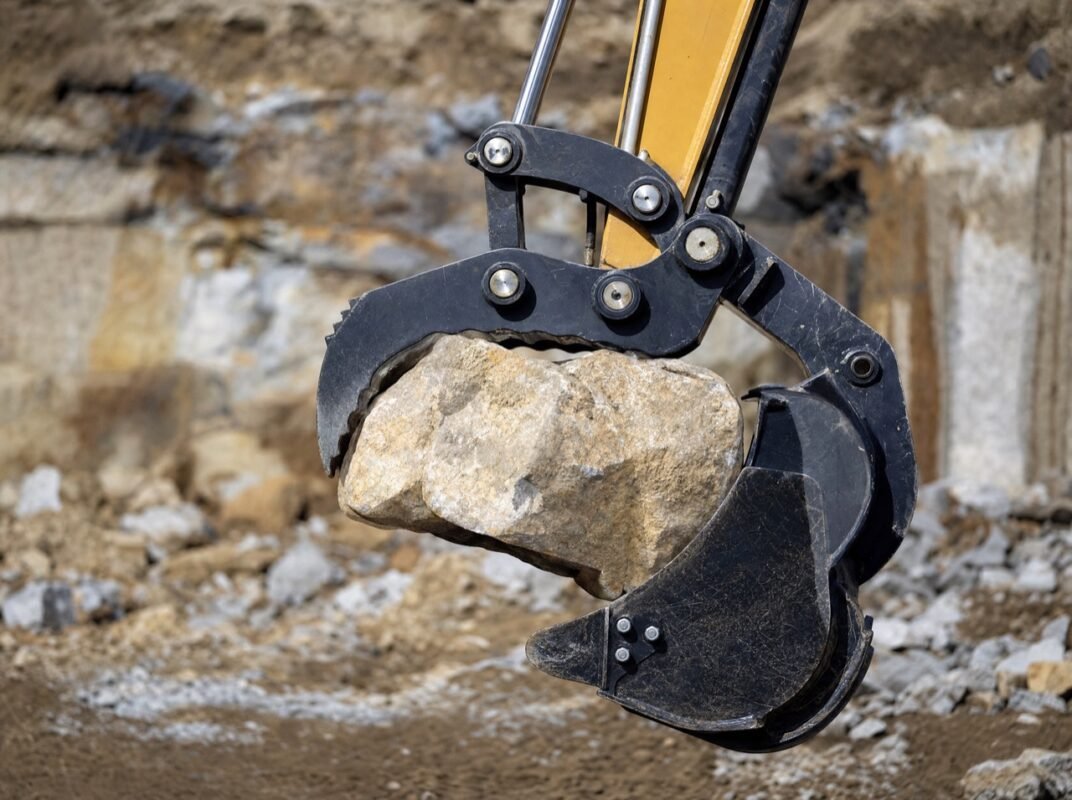
- Grapples: Move brush, logs, and rock without climbing off the machine.
- Grading and ditching buckets: Wide, smooth-edged buckets for finishing swales and leveling beds.
- Thumbs: Pair with the bucket to pick up stumps, boulders, and debris securely.
- Compaction plates: Firm up trench backfill and paver bases right from the cab.
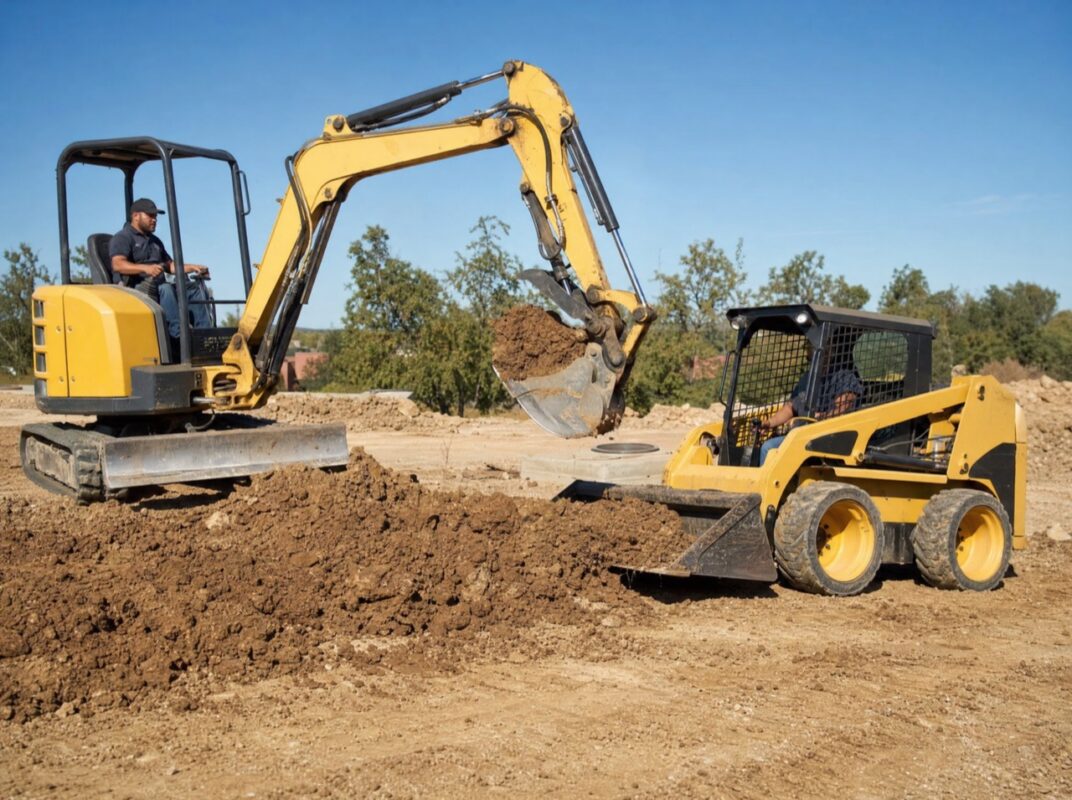
Browse the attachment options alongside the machine you choose so the couplers and hydraulic flow are a confirmed match before you buy. If your projects lean toward material handling in very tight spots, a compact unit from the mini skid steer category can complement an excavator nicely.
Protecting the lawn while you work
Even the lightest machine can mark up turf if you are careless. A little planning keeps the rest of the yard pristine.
- Lay down plywood, ground-protection mats, or planks to spread the load on the routes you will travel repeatedly.
- Work from the unfinished area toward the finished area so you are not tracking back over completed ground.
- Make gentle, gradual turns; sharp pivots on rubber tracks are what scuff and tear grass.
- Stage spoil piles on tarps so cleanup is fast and you do not smother the lawn.
- Avoid working saturated ground when you can; wet soil ruts and compacts far more easily.
Follow that checklist and you will finish the dig with a yard that still looks cared for, which is the whole reason to choose a compact machine in the first place.
Buying smart: what to confirm before you order
Beyond the spec sheet, a few practical points separate a good landscaping purchase from a frustrating one. Confirm the transport weight against your truck and trailer rating, check that the machine fits your tightest access point, and make sure parts and support are easy to reach when you need them. Every machine we sell is EPA-certified, ships free freight to the lower 48 states, and is backed by a one-year parts warranty with direct technical support, so you are not left guessing after delivery. You can review the details on our shipping and delivery page before you commit.
What size mini excavator is best for residential landscaping?
For most residential lots, a machine in the 2 to 3.5 ton class hits the balance of digging depth, reach, and gate access. It handles drainage, retaining walls, and small ponds while still fitting on a standard trailer and treading lightly on finished ground.
Will a mini excavator damage my lawn?
Used carefully, no. Rubber tracks spread the machine’s weight and grip without tearing turf. Add ground-protection mats on your travel routes, make gentle turns, and avoid saturated soil, and your lawn should come through the project intact.
Can one mini excavator handle a whole landscaping project?
Often, yes. With auxiliary hydraulics and the right attachments such as an auger, grapple, and grading bucket, a single compact excavator can trench, plant, set rock, and finish-grade. Confirm the machine has the hydraulic flow your attachments need before you buy.
The bottom line
The best mini excavators for landscaping projects are not the biggest or the most powerful; they are the ones sized right for your access, your soil, and your task list, fitted with attachments that replace hand labor and tracks that respect your turf. Get the weight class and hydraulics right, plan your ground protection, and one compact machine can carry an entire project from trenching to finish grading. When you are ready, explore our full mini excavator selection or see everything in the complete catalog, and reach out anytime at +1 (213) 800 9299 if you want help matching a machine to your next job.