Blog
Mini Excavator vs Backhoe vs Skid Steer: Which to Choose

Choosing between a mini excavator, a backhoe, and a skid steer is one of the most common questions we hear from buyers, and the honest answer is that each machine is built for a different job. A mini excavator vs backhoe vs skid steer comparison really comes down to three things: how you dig, how you move material, and how much space you have to work in. Get the match right and the machine pays for itself; get it wrong and you fight the equipment on every task.
What each machine is actually built to do
Before comparing specs, it helps to understand the core design intent behind each platform. These are not interchangeable tools that happen to look different. They solve different problems.
Mini excavator
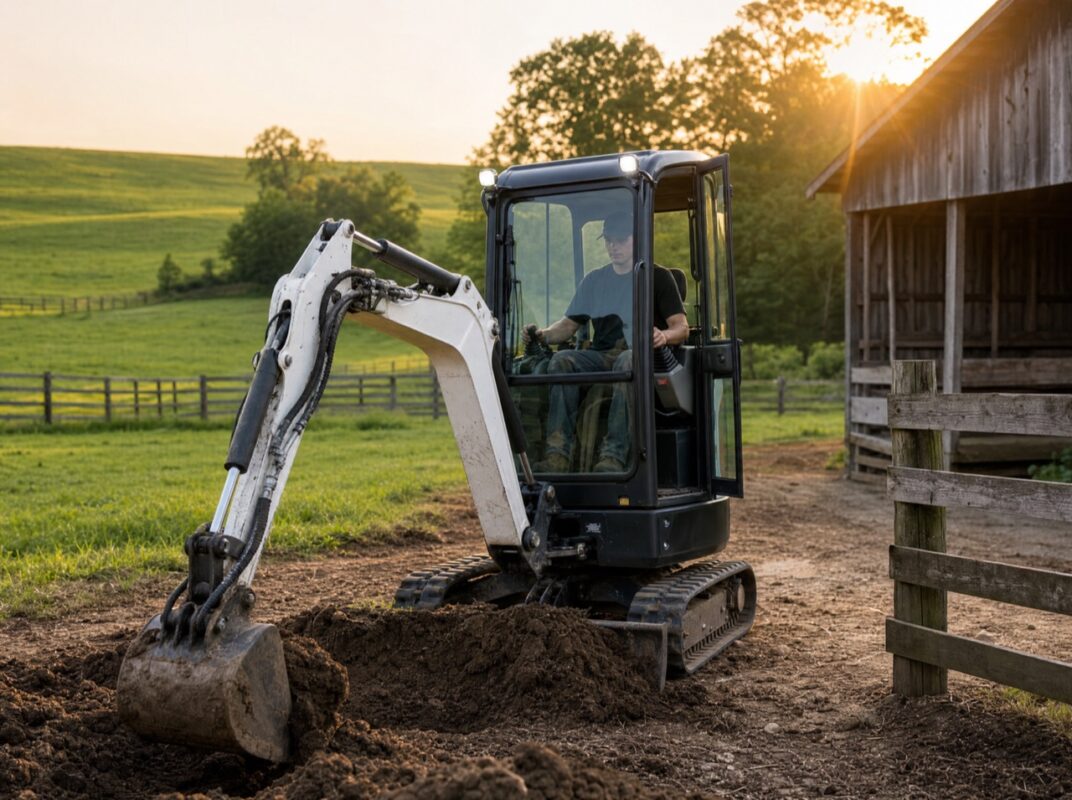
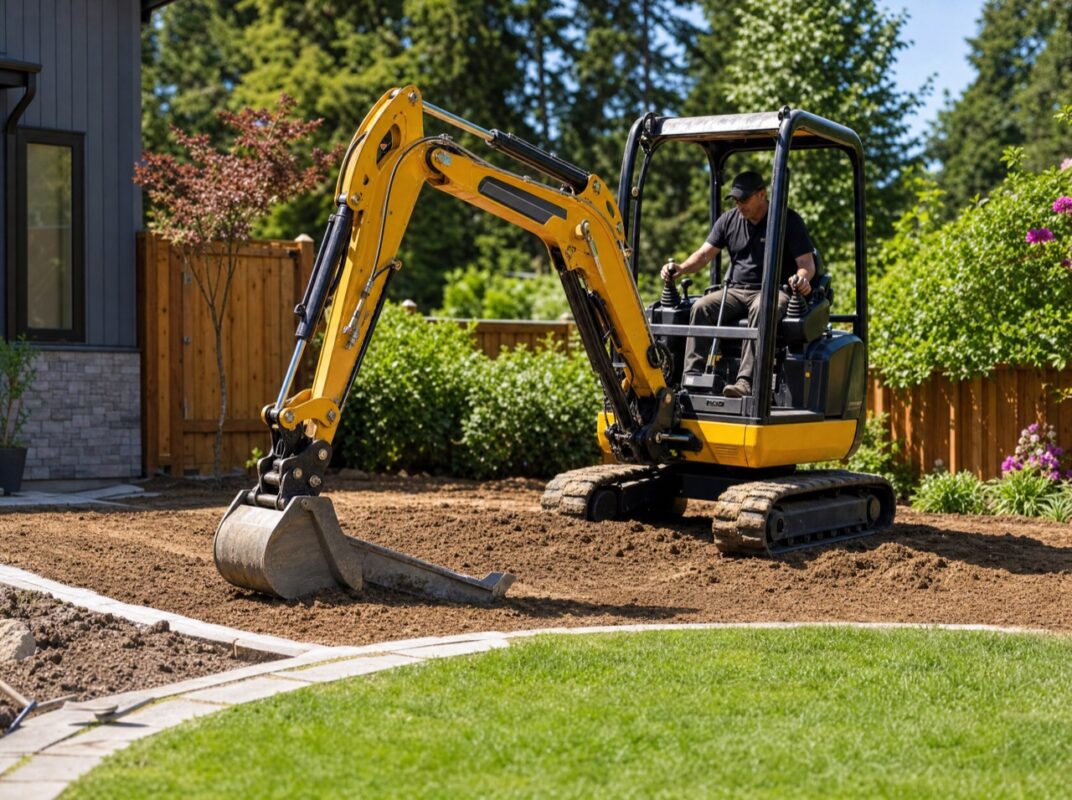
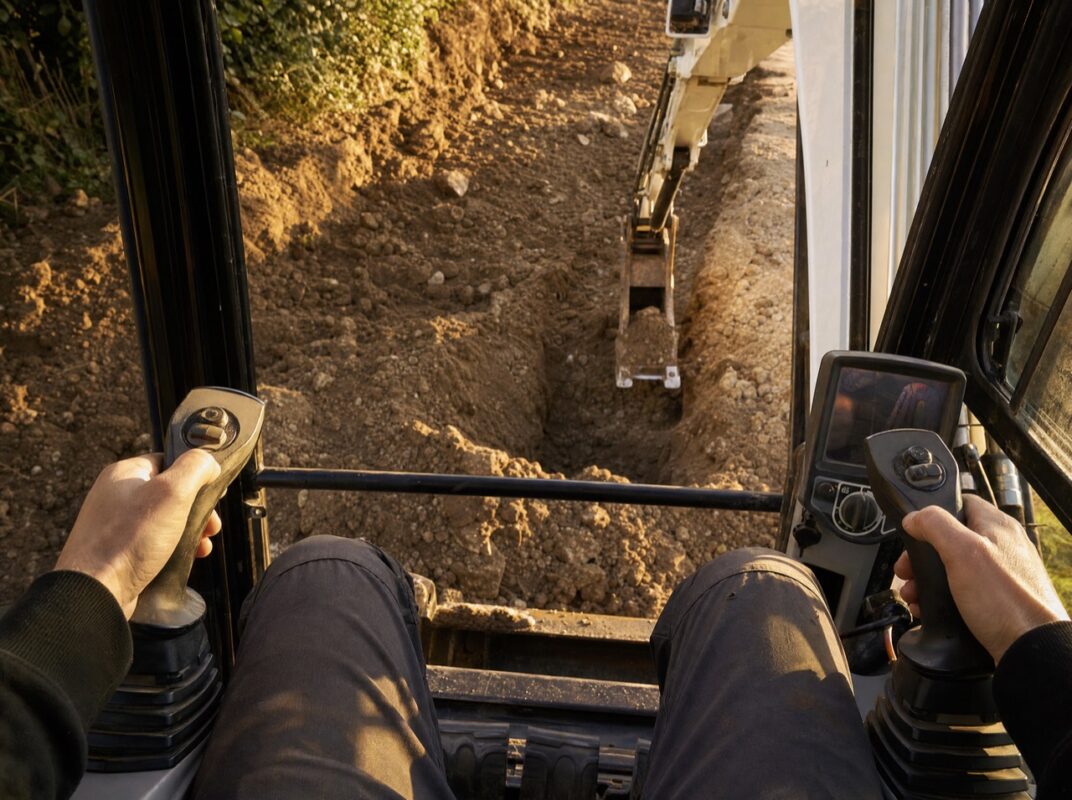
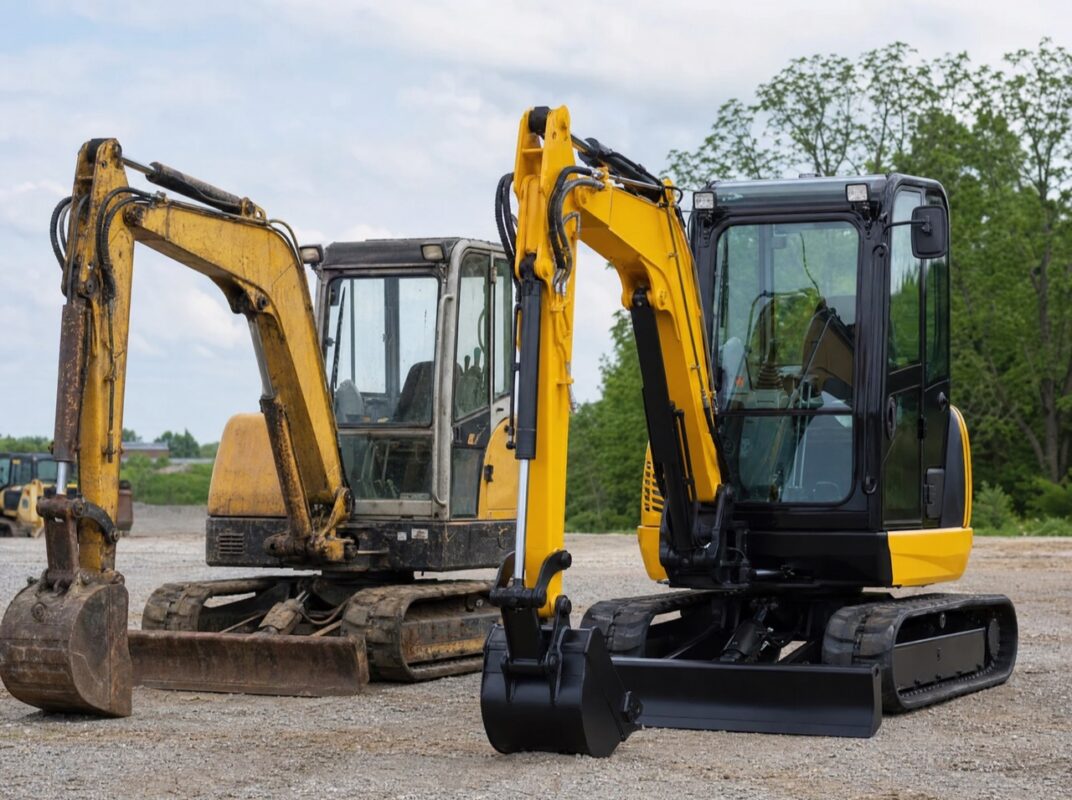
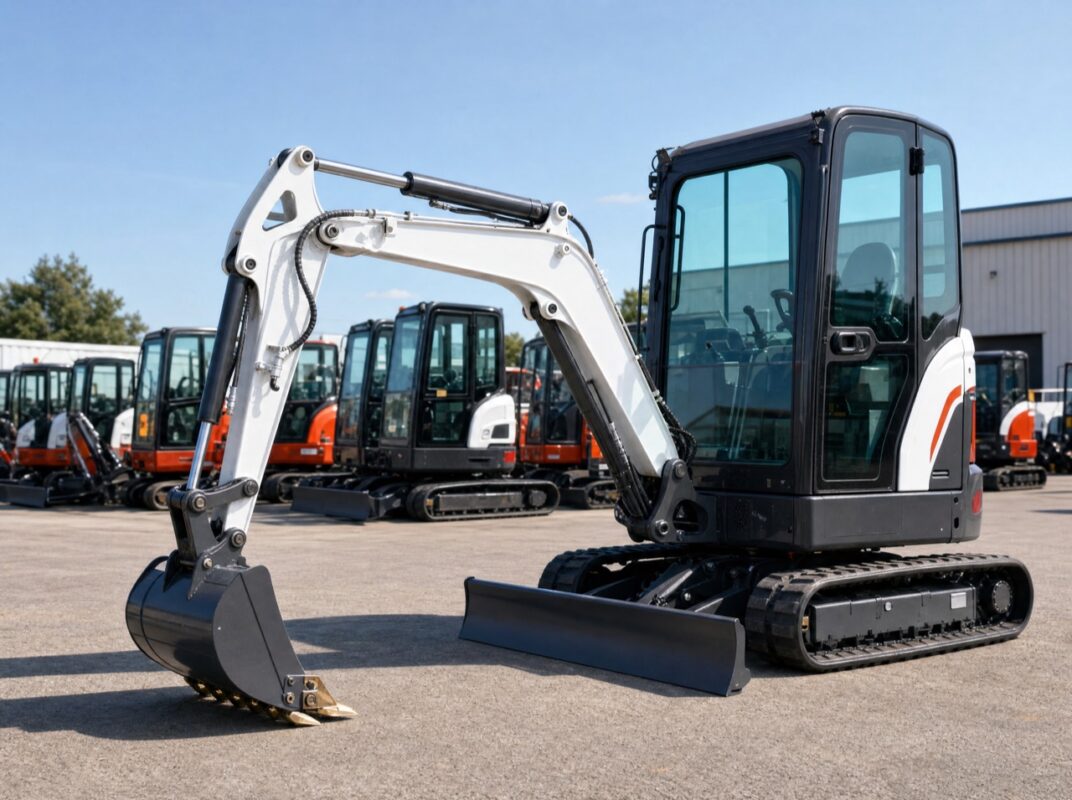
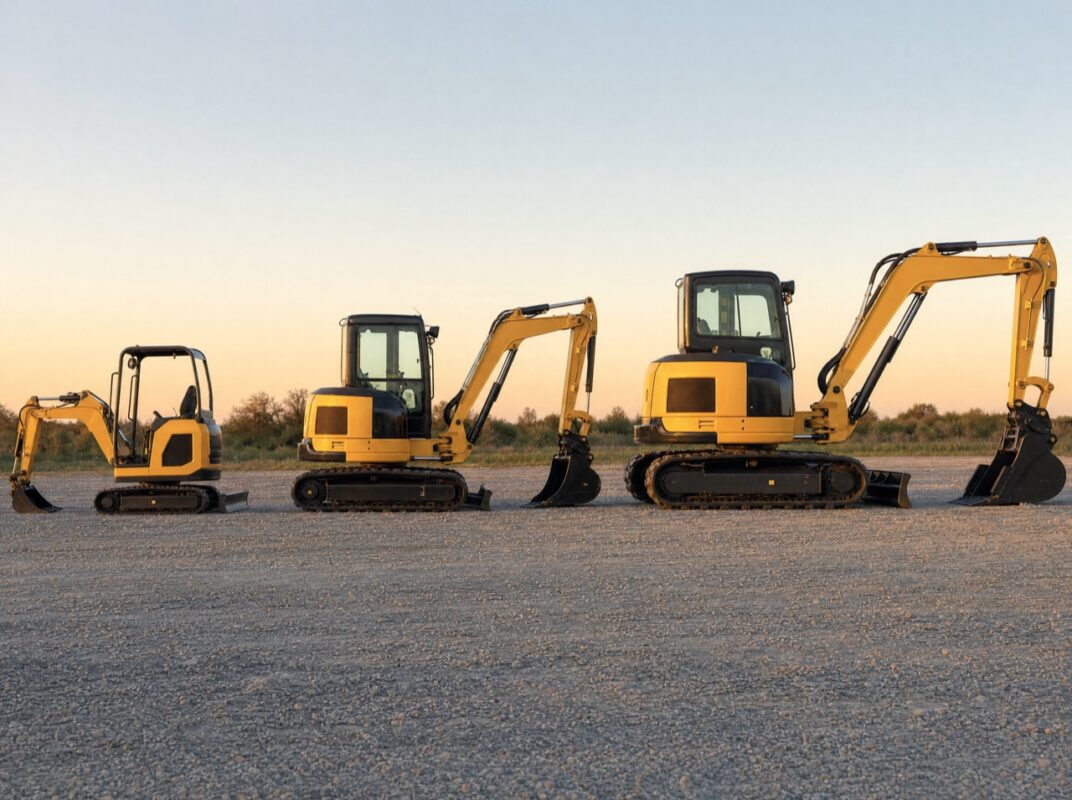
A mini excavator is a tracked digging machine with a rotating house and a boom-arm-bucket setup. The operator sits in the cab and the entire upper body swings up to 360 degrees, so you can dig on one side and dump on the other without repositioning. Tracks spread the weight out, which means low ground pressure, good stability on slopes, and the ability to work on soft or uneven ground. If your primary task is digging, trenching, or careful work in tight spots, this is usually the answer.
Backhoe
A backhoe loader is a two-in-one machine: a loader bucket on the front and a digging arm on the back, mounted on a wheeled tractor frame. You drive it down the road, dig with the back, and load with the front. It reaches deeper than most mini excavators and travels fast on pavement, but it is large, needs room to set up its stabilizer legs, and the operator has to swivel the seat between front and rear work.
Skid steer and mini skid steer
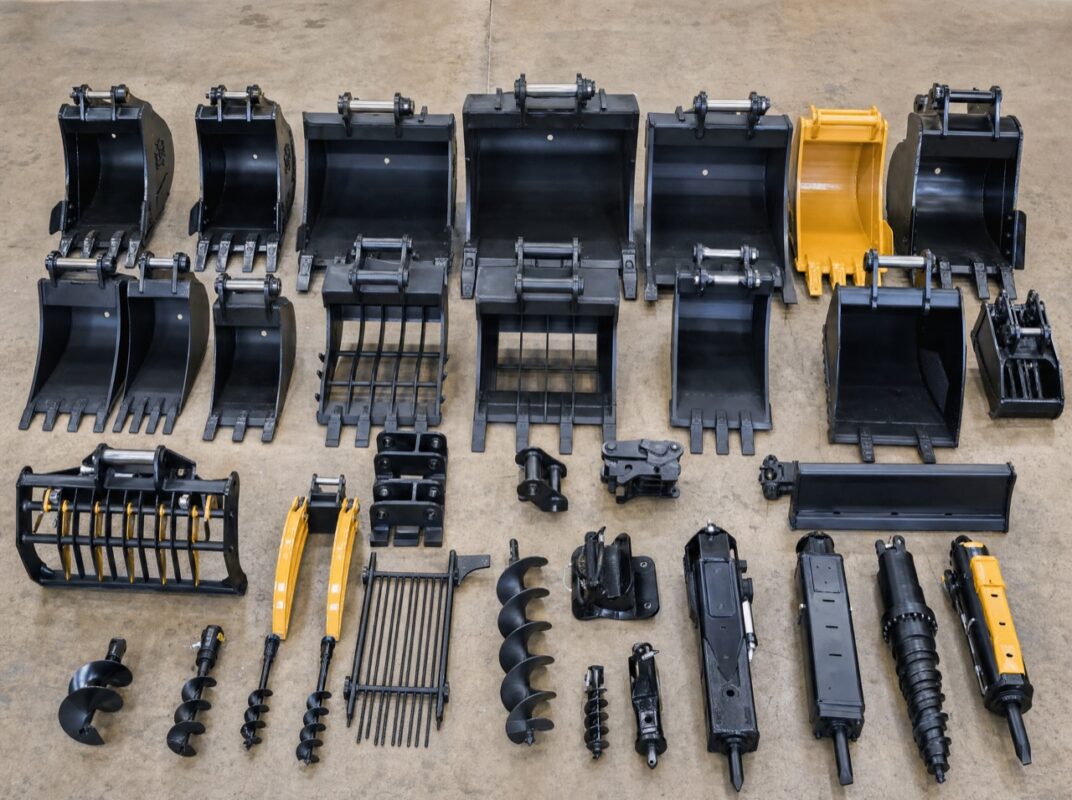
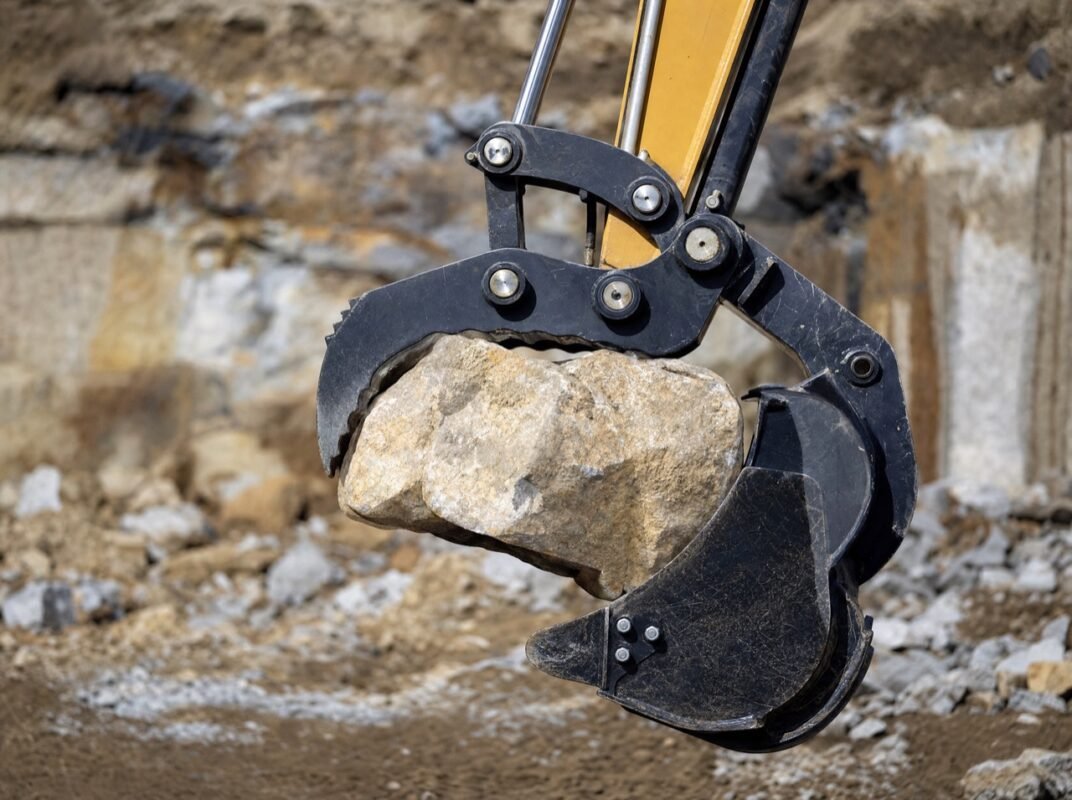
A skid steer is a compact, highly maneuverable loader that “skids” to turn. It is an attachment platform first and foremost. Swap the bucket for a grapple, auger, trencher, breaker, or pallet forks and one machine handles dozens of jobs. Mini skid steers, sometimes called compact utility loaders, are walk-behind or stand-on versions that fit through a standard gate and shine in landscaping and tight residential work. You can browse the full range of mini skid steers to see how compact these platforms really are.
Mini excavator vs backhoe vs skid steer: the head-to-head
Here is how the three stack up on the factors that matter most on a real jobsite. Use this as a quick reference rather than a rulebook, since your specific tasks always carry the most weight.
- Digging: Mini excavator wins for precision and trenching; backhoe wins for raw depth and reach; skid steer is not a primary digging tool, though attachments help.
- Material handling and loading: Skid steer wins for speed and versatility; backhoe is capable with its front loader; mini excavator is the weakest loader of the three.
- Footprint and access: Mini skid steer and compact mini excavators fit through gates and work in backyards; backhoes need open space.
- Ground protection: Tracked mini excavators and many mini skid steers leave less of a mark on turf than wheeled machines.
- Transport: Skid steers and mini excavators trailer easily behind a pickup; backhoes are heavier and often need a larger truck.
- Versatility: Skid steer leads on sheer number of attachments; mini excavator is more specialized toward digging tasks.
Match the machine to your work
The fastest way to decide is to list your three most frequent tasks and pick the machine that does all three well. A few common profiles:
- Homeowner or hobby farm: Digging footings, planting trees, clearing brush, and running drainage usually point to a compact mini excavator or a versatile mini skid steer.
- Landscaper: Grading, hauling mulch, augering post holes, and moving pallets favor a skid steer platform for its attachment flexibility.
- Rancher or farmer: Fence-line work, mucking out, moving feed, and light trenching often justify a mini skid steer plus a small excavator for the digging.
- Site contractor: Deep utility trenches and roadside mobility can make a backhoe attractive, but many crews now run a mini excavator and skid steer pair for lower cost and easier transport.
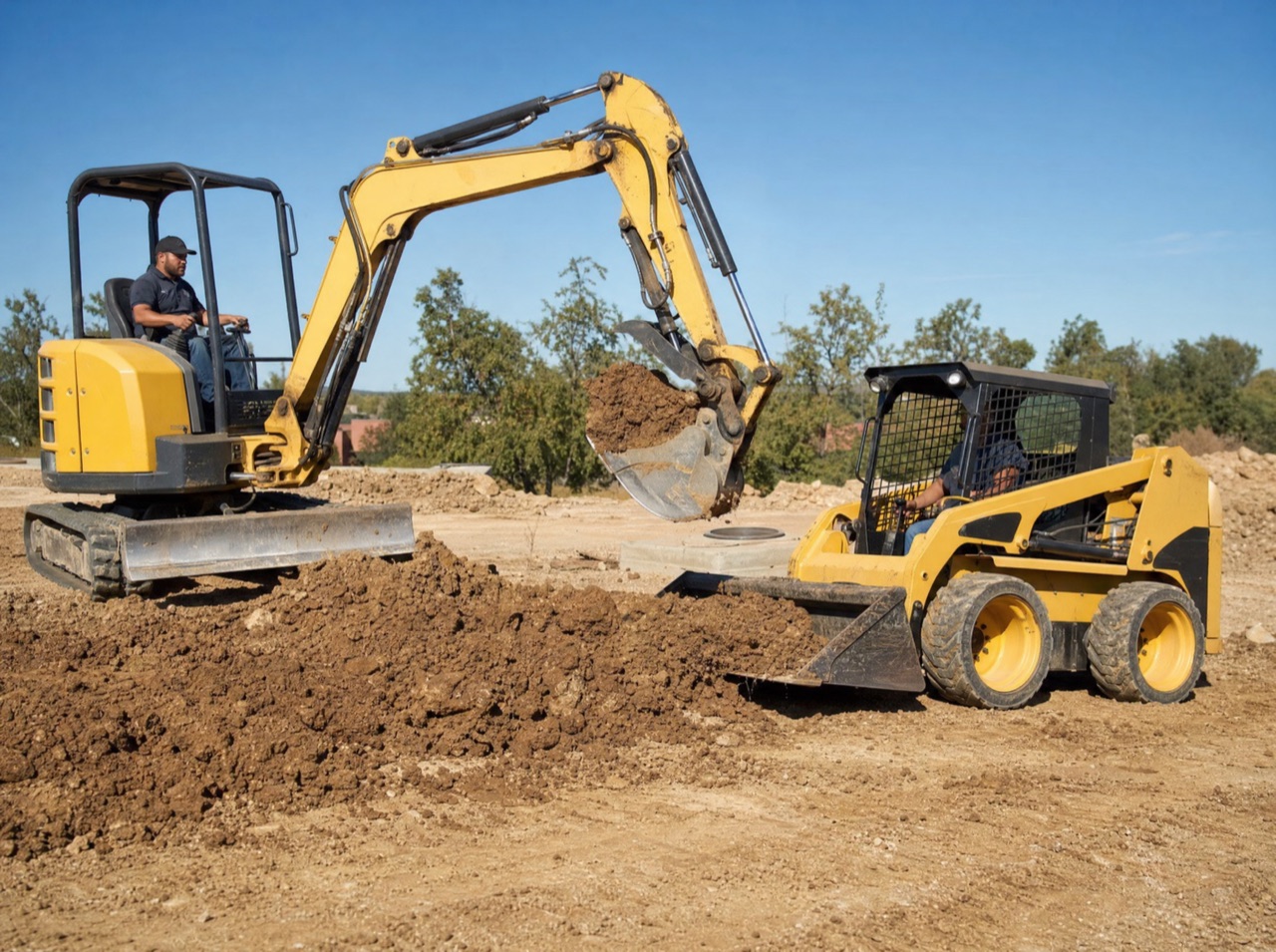
That last point is worth dwelling on. A growing number of buyers skip the backhoe entirely and run a mini excavator for digging and a skid steer for loading. Two purpose-built machines often cost less to own and transport than one large backhoe, and you can put two operators to work at once.
Buying checklist before you commit
Whichever way the mini excavator vs backhoe vs skid steer decision leans, run through this checklist before you buy. It catches the mistakes that lead to regret.
- Measure the tightest access point on your property, including gates and trees, and confirm the machine fits.
- Confirm the maximum dig depth and reach you actually need, not the deepest you can imagine.
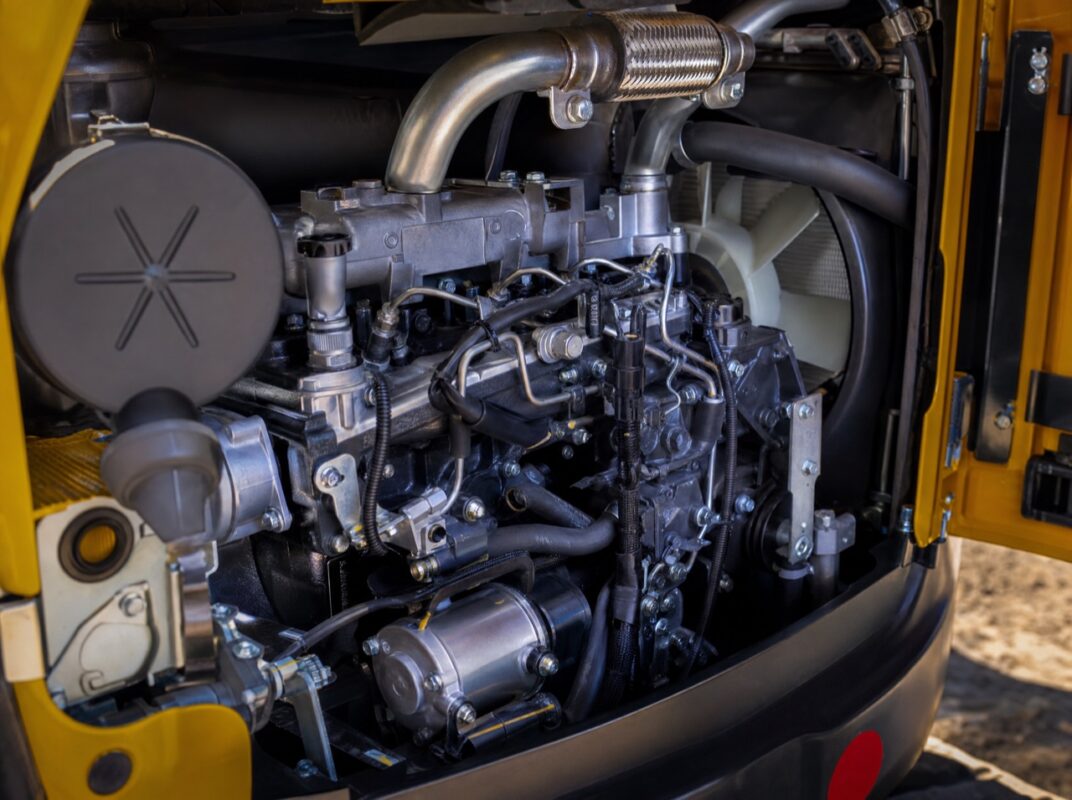
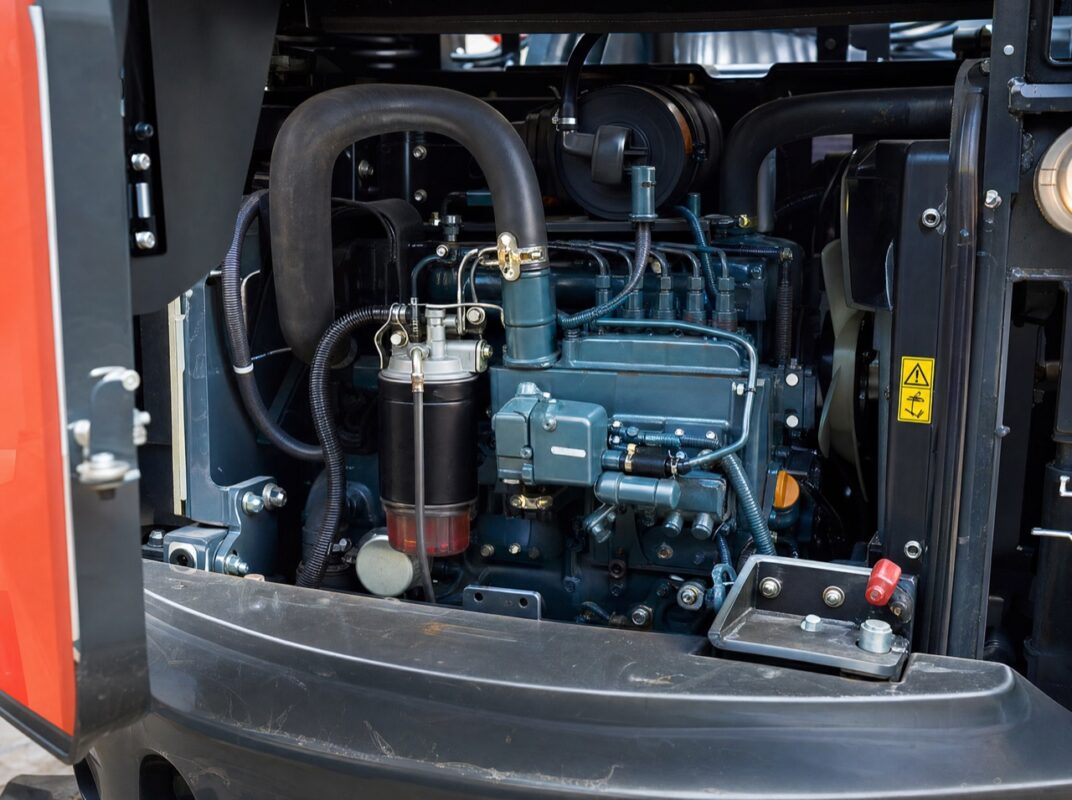
- Check the engine. Many of our machines run genuine Kubota diesel power, which owners value for reliability and parts availability.
- List the attachments you will buy in year one and verify the machine’s hydraulics and couplers support them.
- Plan transport: weight, trailer rating, and whether your truck can tow it legally.
- Verify warranty and support. Every machine we sell is EPA-certified and backed by a 1-year parts warranty with direct technical support.
- Factor in shipping. We offer free freight to the lower 48 states, which you can read about on our shipping and delivery page.
Cost and ownership considerations
Purchase price is only the start. Tracked machines like mini excavators have rubber tracks that wear and eventually need replacement, while wheeled skid steers and backhoes run on tires that are cheaper to swap. Skid steers tend to have the lowest entry cost and the broadest attachment ecosystem, which spreads value across many tasks. Backhoes carry the highest transport and storage demands because of their size. Across all three, diesel engines and routine service intervals keep operating costs predictable, and choosing a machine with strong parts support protects you from downtime.
Frequently asked questions
Can a mini excavator replace a backhoe?
For most homeowner, farm, and landscaping work, yes. A mini excavator digs cleaner, fits tighter spaces, and protects turf better, though a backhoe still wins when you need maximum reach, the deepest trenches, or fast road travel between sites.
Is a skid steer or mini excavator better for a small property?
It depends on your main task. Choose a mini excavator if you mostly dig and trench, and a mini skid steer if you mostly move material, grade, and run a variety of attachments. Many small-property owners eventually keep one of each.
Do these machines come ready to work?
Our machines arrive EPA-certified and assembled for operation, backed by a 1-year parts warranty and direct technical support. If you are unsure which platform fits, reach our team through the contact page or call before you order.
The bottom line
The mini excavator vs backhoe vs skid steer choice is not about which machine is best overall, but which one fits the way you actually work. Lean toward a mini excavator for precise digging, a backhoe for deep reach and road mobility, and a skid steer for speed and attachment versatility. If you want one nimble machine that handles the widest range of everyday tasks, start by exploring our mini skid steers, then compare the full lineup over in the shop. Our team is glad to help you match the right machine to your land and your budget.