Blog
Why Kubota Engines Power the Best Mini Excavators

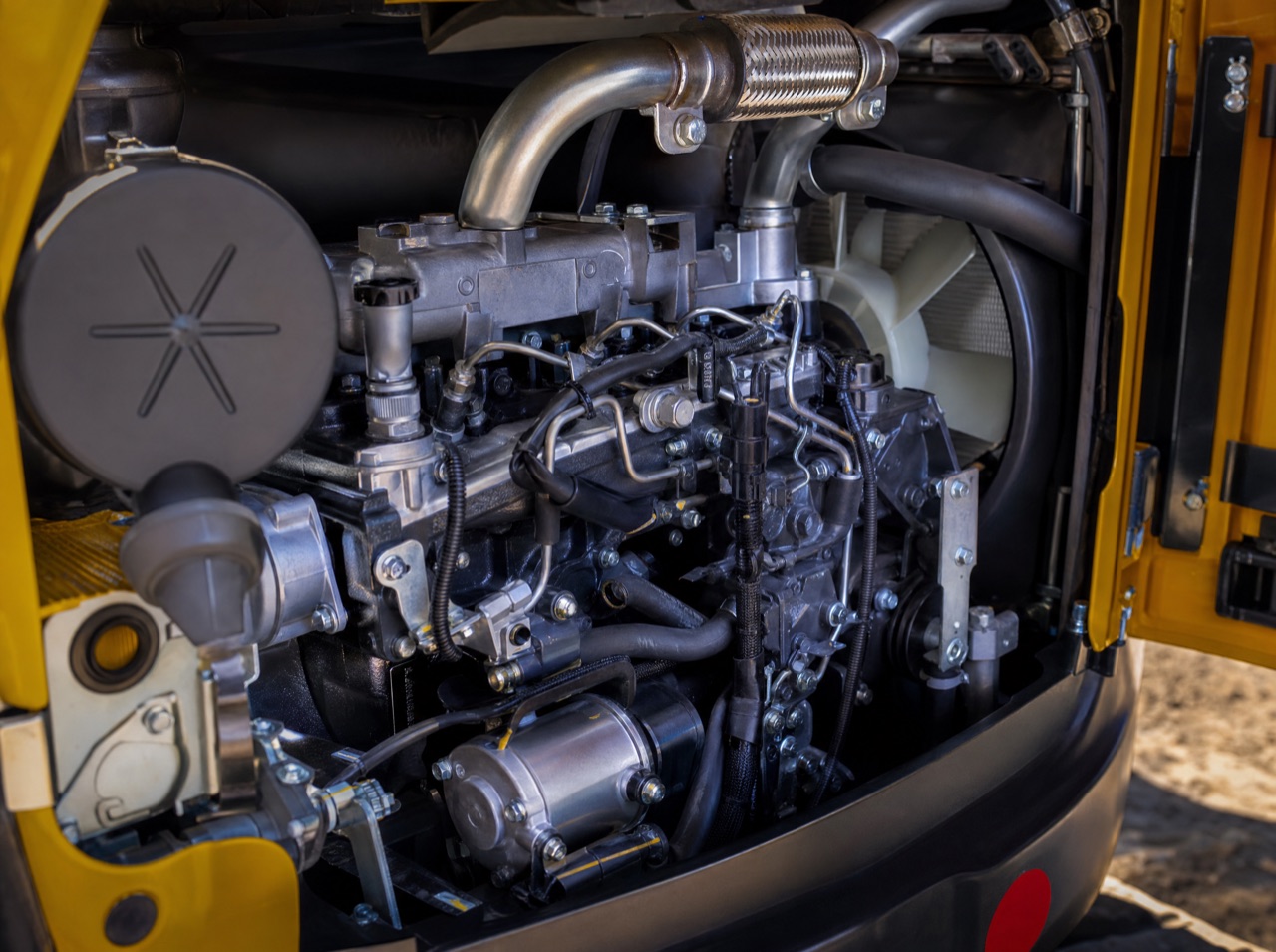
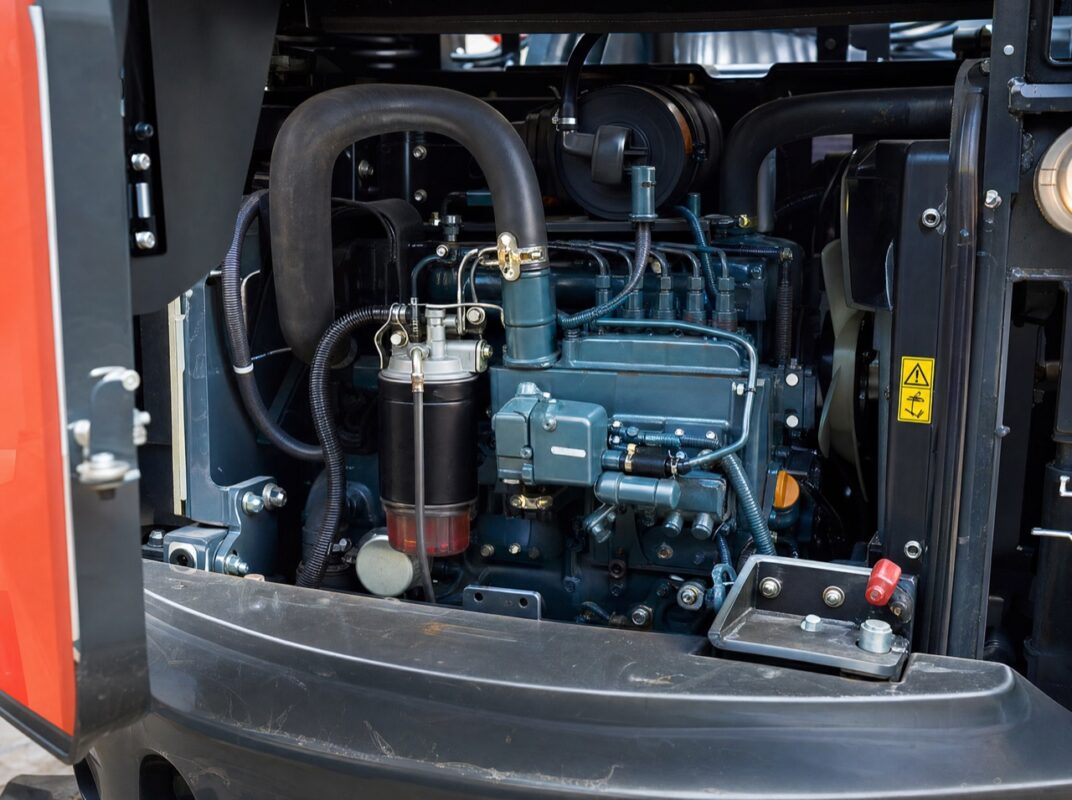
When buyers shop for a compact digger, the conversation almost always circles back to one thing: the power plant under the hood. There’s a good reason Kubota engines power the best mini excavators in their class, and it isn’t marketing. It’s decades of diesel engineering focused on torque, fuel efficiency, and the kind of long-haul durability that homeowners, farmers, and contractors actually need. In this guide we’ll break down what makes these engines special, how that translates to real digging performance, and what to look for when you choose your next machine.
What makes a Kubota engine different
A mini excavator lives a hard life. It idles, it lugs, it works in dust and heat, and it gets restarted hundreds of times a season. Genuine Kubota diesel engines are built for exactly that duty cycle. They’re compact, mechanically robust, and tuned to deliver usable power at the lower RPM range where digging actually happens. Instead of chasing peak horsepower numbers, the design priority is steady, dependable torque and a long service life.
Several practical traits set these engines apart:
- Strong low-end torque so the machine can break hard ground and push through clay without bogging down.
- Proven mechanical simplicity that keeps maintenance straightforward and parts accessible.
- Efficient combustion that stretches a tank of diesel across a longer workday.
- Tolerance for tough conditions including cold mornings, dusty job sites, and heavy continuous use.
That combination is why so many compact machines across our mini excavator lineup are built around this diesel platform.
Why Kubota diesel engines power the best mini excavators on the job
Horsepower looks good on a spec sheet, but on a real job site, torque and consistency win. A mini excavator spends most of its time curling a bucket through resistance, not racing across open ground. Diesel engines produce more torque at lower RPM than comparable gasoline engines, which means the machine digs with authority instead of straining.
Better hydraulic performance
The engine doesn’t just move the tracks. It drives the hydraulic pump that powers every cylinder, the swing motor, and any attachment you bolt on. A stable, torque-rich engine keeps hydraulic flow steady, so your boom, arm, and bucket move smoothly even under load. That stability also matters when you run thirsty attachments like augers, breakers, or grapples from our attachment collection.
Fuel efficiency that adds up
Diesel’s higher energy density means more work per gallon. Over a full season of trenching, grading, and loading, that efficiency translates into real savings and fewer refueling stops. For a working machine, lower running cost is just as important as the day-one purchase price.
Reliability and longevity you can count on
Equipment only earns its keep when it’s running. The reputation behind these diesel engines comes from a simple track record: they tend to start, they tend to keep running, and they tend to do it for years with basic care. For an owner-operator, that reliability is the difference between finishing a job on schedule and watching a rental clock or a repair bill climb.
A few factors drive that longevity:
- Heavy-duty internal components engineered for continuous-duty work, not occasional use.
- Sensible service intervals with filters and fluids that are easy to source and replace.
- Good cold-start behavior, which matters for early mornings and shoulder-season work.
- Strong resale value, because buyers trust a proven diesel platform.
Every machine we ship is EPA-certified and backed by a 1-year parts warranty with direct technical support, so you’re not left guessing if something needs attention.
Maintenance: keeping your diesel engine healthy
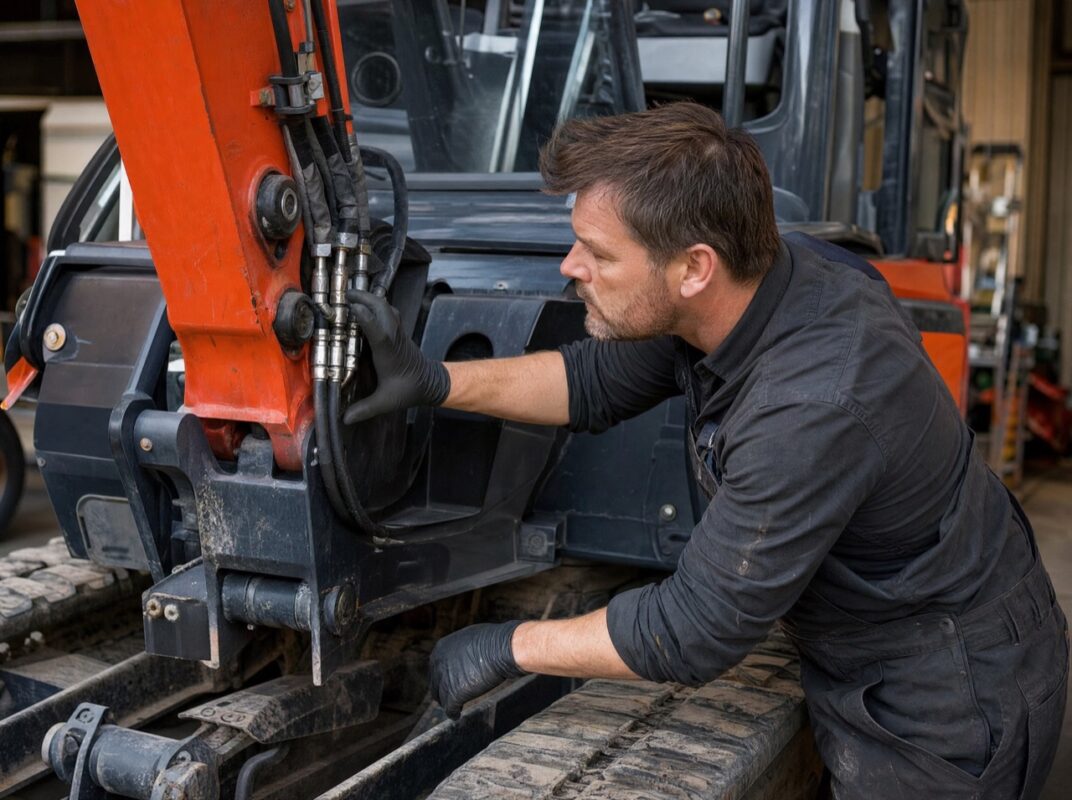
Even the best engine rewards a little routine care. The good news is that maintaining a Kubota-powered mini excavator is well within reach for most owners. Follow this practical checklist to protect your investment:
- Check engine oil and coolant daily before you start work, especially on hot days.
- Inspect the air filter weekly on dusty sites and clean or replace it as needed.
- Drain water from the fuel filter/separator regularly to keep moisture out of the injection system.
- Use clean, high-quality diesel and avoid letting the tank run near empty to prevent drawing in sediment.
- Grease pivot points and track components on schedule so the engine isn’t fighting worn linkage.
- Change oil and filters at the recommended intervals listed in your operator’s manual.
- Let the engine warm up briefly in cold weather before applying full load.
None of this is exotic. It’s the same discipline that keeps any diesel running strong, and it pays off in fewer breakdowns and a longer working life.
Matching the engine to your work
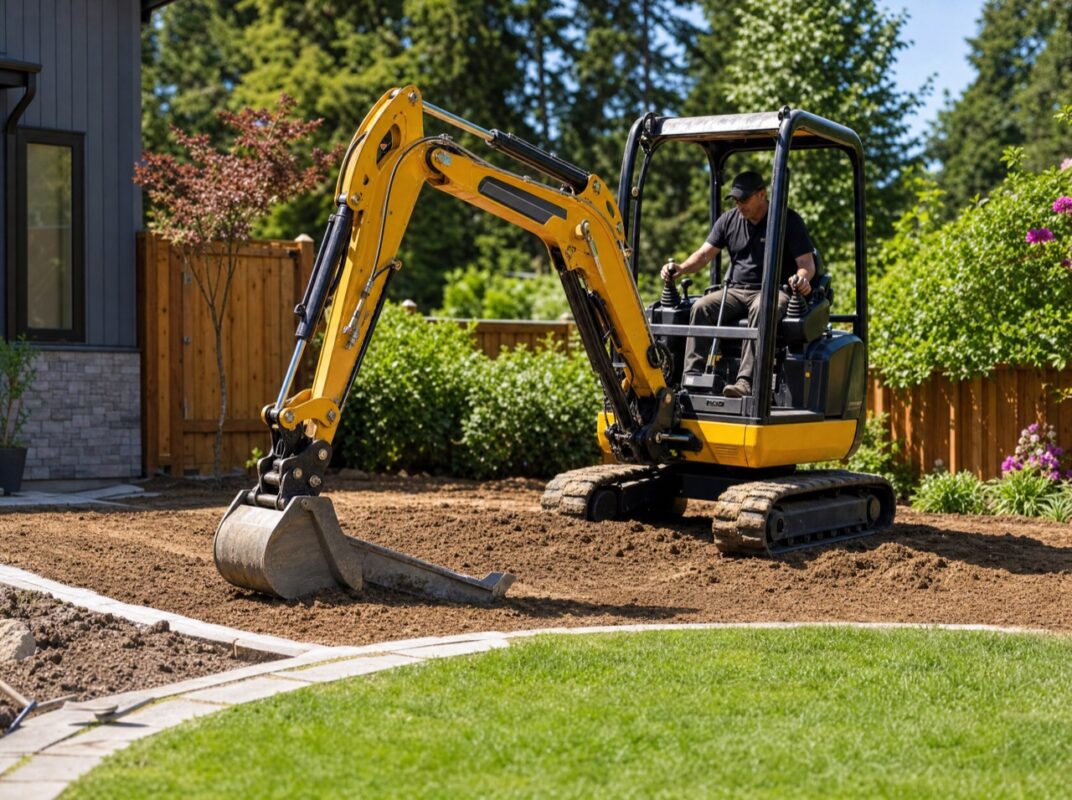
Choosing the right machine is partly about engine size and partly about the job in front of you. A smaller 1-ton class excavator is ideal for tight backyards, utility trenching, and indoor demolition where access is limited. Step up toward the 3- to 6-ton range and you gain the engine power and hydraulic muscle to tackle foundations, septic work, and longer grading runs.
Questions worth asking before you buy
- What’s the heaviest material I’ll dig, and how often?
- Will I run power-hungry attachments that demand strong hydraulic flow?
- How tight is my typical access, and does that cap my machine size?
- Do I need a true diesel platform for long workdays, or only light occasional use?
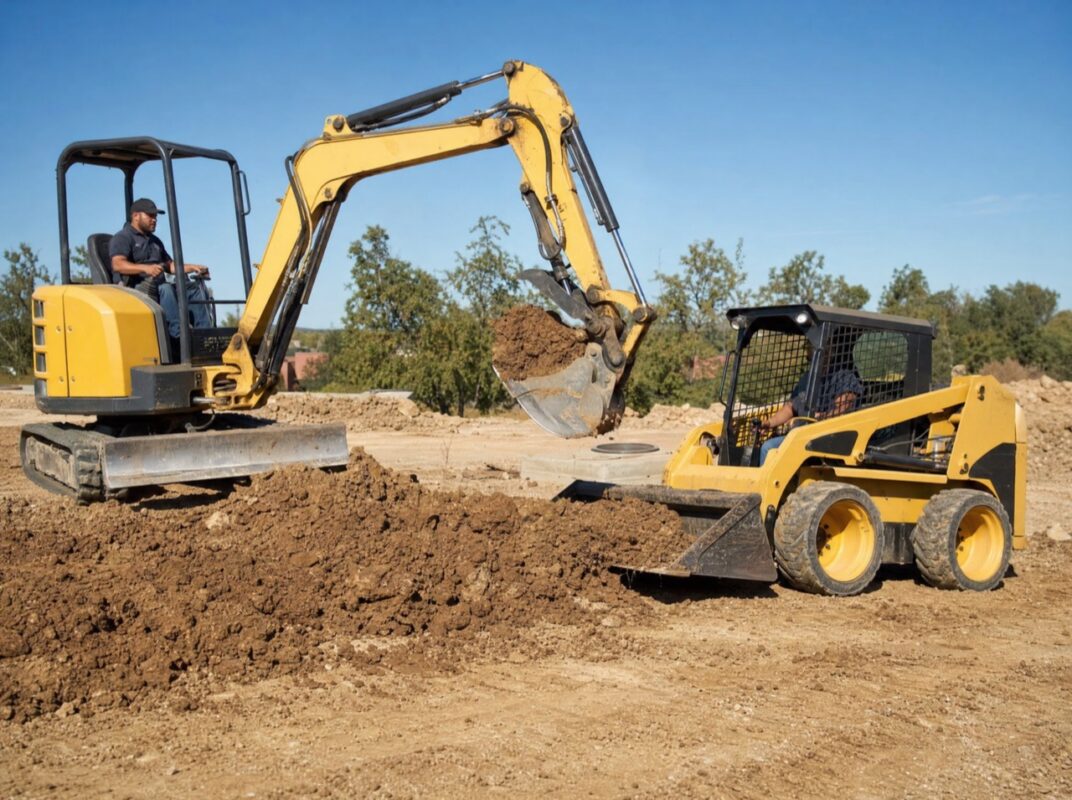
If you also handle loading, leveling, and material movement, it’s worth comparing a compact digger against a mini skid steer to see which platform fits your workflow best.
Frequently asked questions
Are Kubota diesel engines hard to maintain?
No. They’re known for straightforward service. Routine tasks like oil changes, filter swaps, and draining the fuel separator are well within reach for most owners, and replacement parts are widely available. Our team also provides direct technical support if you hit a question.
Why choose diesel over a gasoline mini excavator?
Diesel engines deliver more torque at lower RPM, better fuel efficiency, and longer service life under continuous load. For a machine whose whole job is pushing through resistance, that low-end power and durability make diesel the practical choice.
How long can a well-maintained mini excavator engine last?
With consistent maintenance, clean fuel, and sensible operation, a quality diesel engine can deliver many years of dependable service. Longevity depends far more on care than on calendar age, so following the maintenance checklist above is the best thing you can do.
The bottom line
The reason Kubota engines power the best mini excavators comes down to fundamentals that hold up on real job sites: torque-rich diesel performance, fuel efficiency, easy maintenance, and a reputation for reliability that protects your resale value. Pair that power plant with the right machine size for your work, keep up with basic service, and you’ll have a compact digger that earns its keep season after season. When you’re ready, explore the full mini excavator collection or browse everything in our shop with free freight shipping to the lower 48, and reach out anytime for help matching the right machine to your job.