Blog
Rubber Track Care: Make Your Excavator Tracks Last Longer

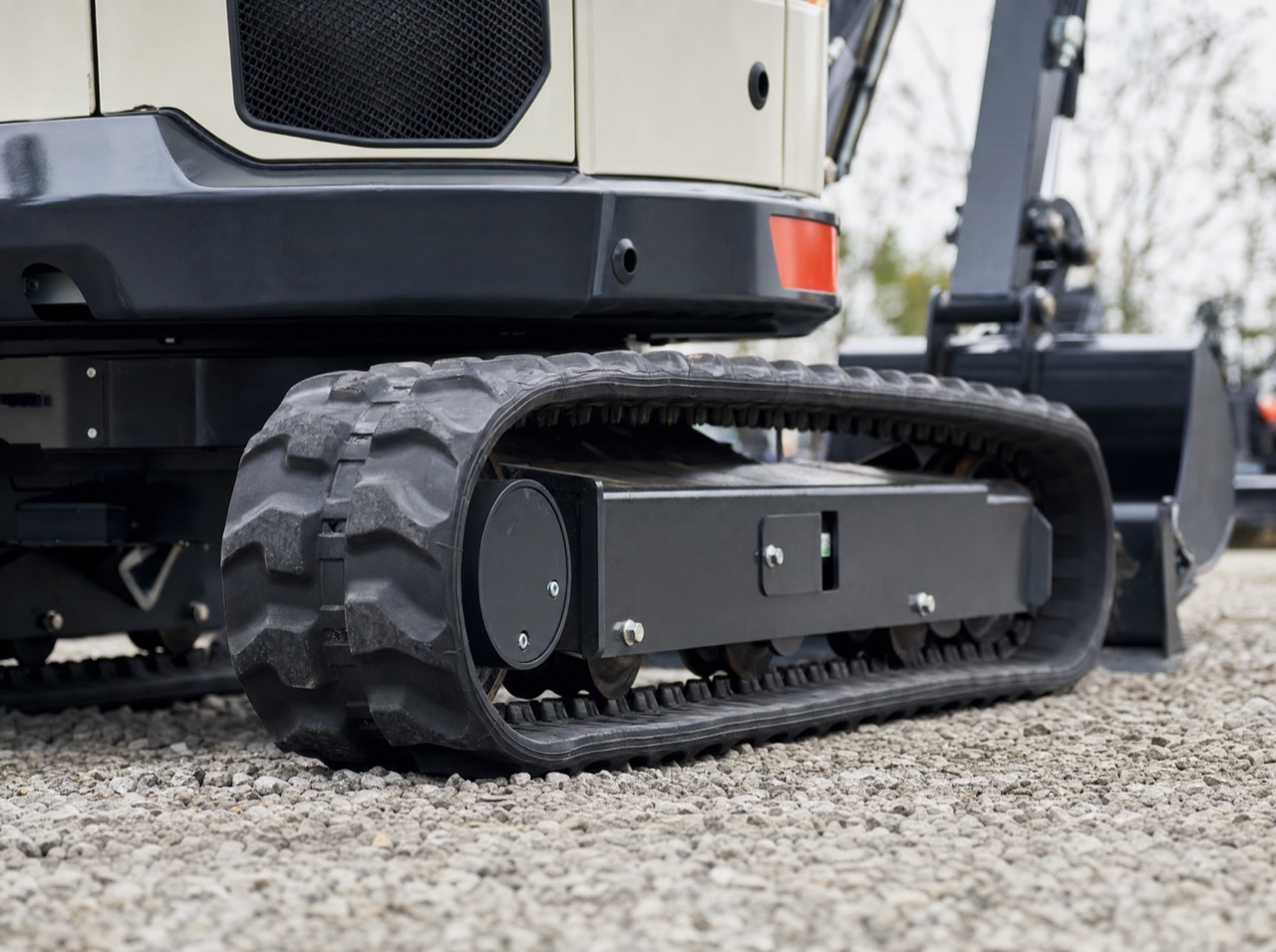
The rubber tracks on a mini excavator do a quiet, thankless job: they carry the machine, spread its weight, and let it work on lawns and finished surfaces without tearing them up. They are also one of the most expensive wear items you will ever replace. The good news is that good rubber track care is mostly about habits, not money. With the right tension, smart operating choices, and a few minutes of inspection, you can make your excavator tracks last far longer than the average owner ever does.
Most premature track failures are not caused by hard work. They are caused by avoidable mistakes: running the wrong tension, spinning on abrasive ground, or parking on something sharp. Fix those, and you protect both the tracks and the undercarriage they ride on.
Why rubber tracks fail early
Understanding the failure modes makes the maintenance obvious. Rubber excavator tracks usually wear out or fail for a handful of repeatable reasons, and almost all of them are within the operator’s control.
- Incorrect tension. Too tight and you overload the bearings, idler, and sprocket while accelerating rubber fatigue. Too loose and the track can derail or let the metal lugs grind against the rollers.
- Abrasion and spinning. Concrete, gravel, and broken asphalt sand the tread down fast. Spinning a track in place is one of the quickest ways to destroy it.
- Cuts and punctures. Rebar, sharp rock edges, stumps, and metal debris slice the rubber and can sever the internal steel cords.
- Oil and chemical exposure. Hydraulic oil, diesel, and solvents soften and swell rubber over time, breaking it down from the surface in.
- Heat and UV. Parking in direct sun for months dries and cracks the rubber, especially on machines stored outdoors.
Get the track tension right
Tension is the single biggest factor in how long your tracks last, and it is the one owners get wrong most often. Rubber tracks are designed to run with a small amount of sag, not drum-tight.
How to check tension
Always check tension with the machine on firm, level ground and the area between the rollers free of packed mud. Lift one side slightly using the boom and bucket so the track hangs, then measure the sag between the carrier roller and the idler. As a general rule, most mini excavators want roughly 1 to 1.5 inches (about 25 to 40 mm) of slack at the midpoint, but your operator’s manual gives the exact figure for your model and should always win.
Adjusting tension
Tracks are tensioned by a grease cylinder behind the idler. Adding grease through the fitting pushes the idler out and tightens the track; releasing the valve slowly lets grease and pressure out to loosen it. A few cautions worth repeating:
- Loosen the valve slowly and only a partial turn. The cylinder is under high pressure and can eject grease forcefully.
- Re-check tension after the first hour or two of work, since mud and debris can change the reading.
- Clean packed material out of the undercarriage before measuring, or you will set the track too loose.
Operating habits that make excavator tracks last longer
How you drive matters as much as how you maintain. A few deliberate choices on the jobsite dramatically reduce wear and the odds of a sudden failure.
- Turn while moving, not while planted. Counter-rotating in place (“spot turns”) scrubs the rubber and stresses the lugs. Make gradual turns as you travel whenever space allows.
- Limit time on abrasive surfaces. If you must cross concrete or sharp gravel, do it slowly and in a straight line. Steel tracks or over-tracks are the better tool for constant work on hard rock.
- Avoid spinning. If a track starts to slip, ease off rather than flooring it. Wheel-spin grinds tread and digs into the steel cords.
- Climb obstacles squarely. Approach curbs, logs, and ledges head-on so the track lugs take the load evenly instead of being pinched at an angle.
- Back off side-slopes. Operating across a steep slope pushes the track sideways against the guides and invites derailment.
- Keep speed sensible on uneven ground. Hitting a hidden rock at travel speed is how cords get cut.
A practical rubber track inspection checklist
Five minutes during your daily walk-around catches small problems before they strand you. Run through this list before each shift:
- Confirm track tension looks correct, with proper sag and no obvious tightness or droop.
- Scan the full tread surface for cuts, gouges, missing chunks, or exposed steel cord.
- Check the inner side for cracking, dry rot, or signs of oil contamination.
- Look at the metal drive lugs for rounding, cracks, or uneven wear.
- Inspect the sprocket and idler teeth, which should be even and not hooked or worn to points.
- Spin each roller by hand or watch it during a short drive to confirm it turns freely and isn’t seized.
- Clear packed mud, stones, and debris from inside the undercarriage.
- Wipe up any hydraulic or fuel leaks that could land on the rubber.
If you ever spot exposed steel cord, a deep cut, or repeated derailment, stop and address it. A track that throws off the rollers under load can damage the idler and sprocket too. Many owners browsing our mini excavators are surprised how much undercarriage life depends on these few daily minutes.
Cleaning, storage, and seasonal care
What happens when the machine is parked matters more than people think. Caked mud holds moisture and abrasive grit against the rollers, and long sun exposure quietly ages the rubber.
- Wash out the undercarriage at the end of dirty jobs, especially before storage. Clay and sand are abrasive and trap water.
- Store on a clean, dry surface. Park on wood, gravel-free ground, or a pad rather than on oil, sharp rock, or standing water.
- Get out of the sun. Indoor storage or a cover slows UV cracking on machines that sit for weeks.
- Relieve constant load in long storage. Where practical, reposition the machine occasionally so the same spot on each track isn’t flat-loaded for months.
- Mind the cold. Rubber stiffens in freezing weather, so let the machine warm and move gently before working hard tracks on frozen ground.
Frequently asked questions
How long do rubber excavator tracks last?
It depends almost entirely on surface and operation. Tracks used mostly on soil and turf can last a very long time, while constant work on concrete, gravel, or rebar wears them out far faster. There is no single mileage number; tension, terrain, and driving habits drive the result more than hours alone.
Can rubber tracks be repaired?
Minor surface cuts that don’t reach the steel cords are usually fine to keep running and monitor. Once the internal cords are exposed or severed, the track has lost its structural integrity and should be replaced. Patching a cord-damaged track is a temporary measure at best.
Should I switch to steel tracks?
Steel tracks excel on rock, demolition debris, and constant abrasive ground, but they tear up lawns and finished surfaces and ride rougher. For landscaping, utility, and mixed work, rubber is usually the right call. Many owners keep rubber and simply protect it with good habits. If you have questions about a specific machine, our team is happy to help through our contact page.
The bottom line
Strong rubber track care comes down to a routine, not a rulebook: set the right tension, drive without spinning or spot-turning, inspect daily, and store the machine clean and out of the sun. Do those four things and your excavator tracks will last longer, your undercarriage will stay healthier, and you’ll spend far less on replacements over the life of the machine. When you’re ready to put these habits to work, explore our lineup of compact mini excavators or browse the full shop to find the right machine for your jobs.