Blog
Mini Excavator Maintenance Checklist: Daily to Yearly


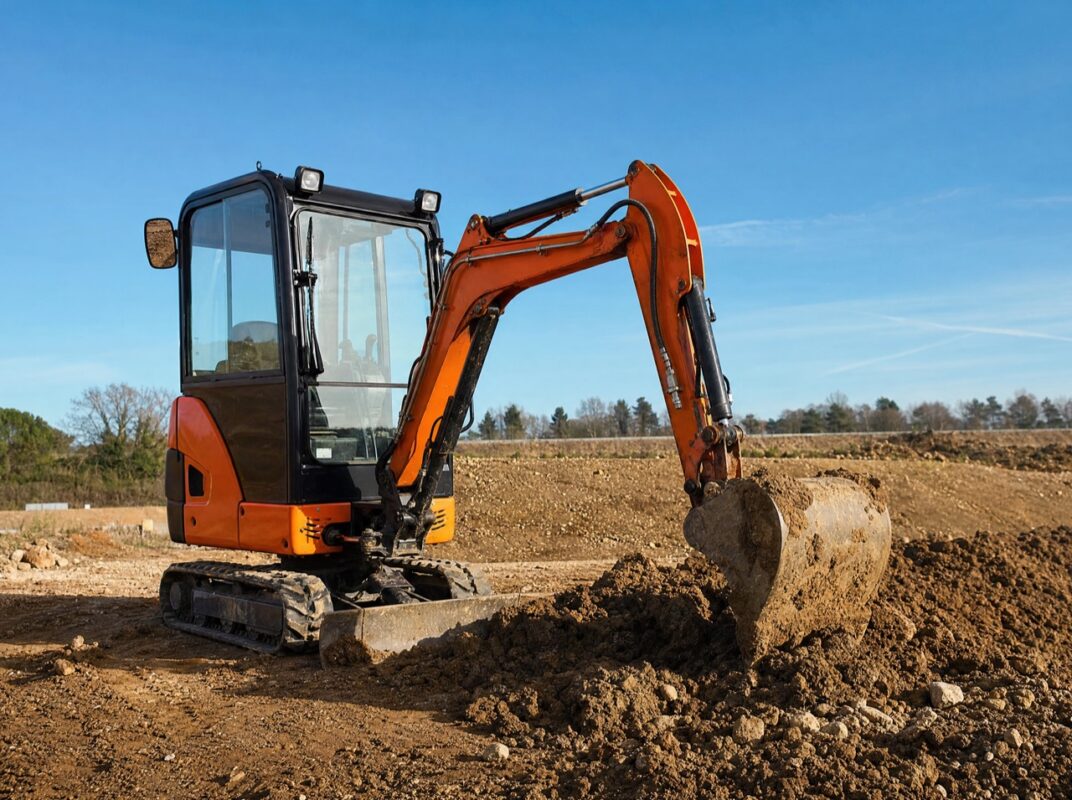
A consistent mini excavator maintenance checklist is the single best way to protect your investment, avoid downtime on the job, and keep a compact machine running for thousands of hours. Mini excavators work hard in tight spaces, often in dust, mud, and heat, and small problems left unchecked turn into expensive repairs fast. The good news is that most upkeep is simple, fast, and well within reach of any owner who follows a routine.
This guide breaks maintenance into daily, weekly, monthly, and yearly tasks so you always know what to check and when. Whether you run a single machine on the farm or a small fleet on job sites, these habits will pay for themselves many times over.
Why a maintenance routine matters more on a mini excavator
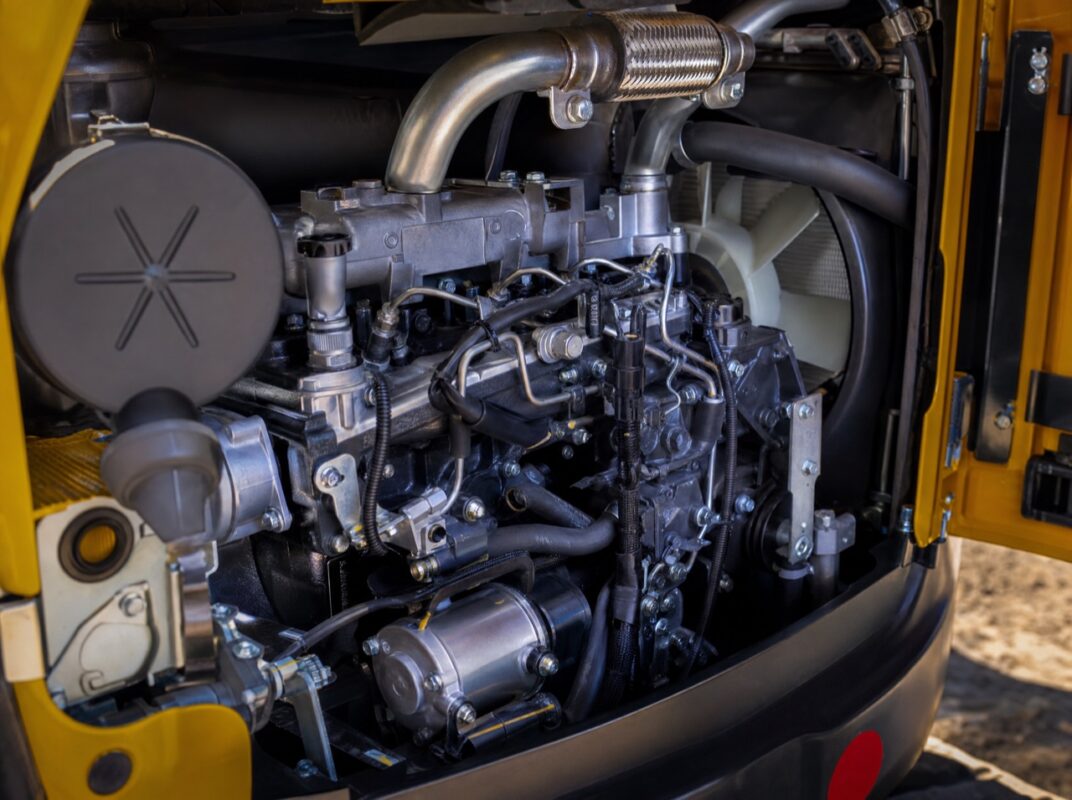
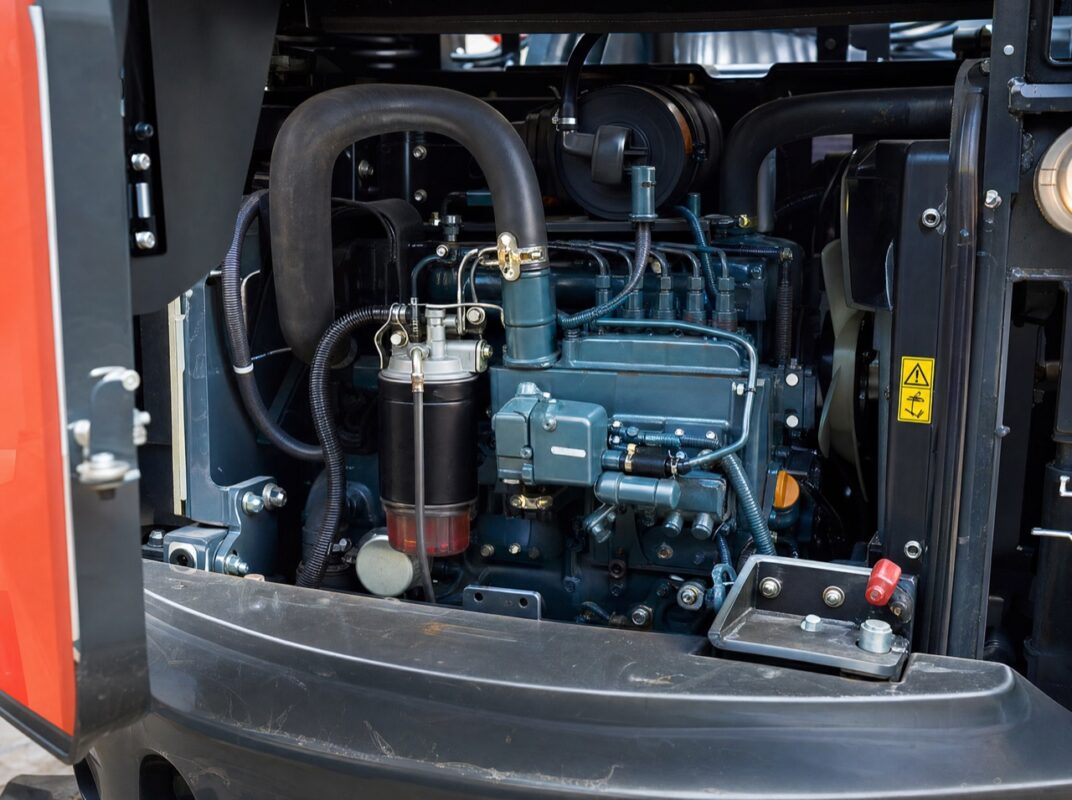
Compact machines pack a full hydraulic system, a diesel engine, and a track undercarriage into a small footprint. That density means components run close together and heat builds quickly, so clean filters and proper fluid levels matter even more than on full-size equipment. Many of these machines run genuine Kubota diesel engines, which are known for durability, but even the best engine depends on clean oil, clean air, and clean fuel to reach its full service life.
A good mini excavator maintenance checklist also protects resale value. Buyers pay close attention to service records, and a machine with documented upkeep and tight, well-greased pins commands a stronger price. If you are still choosing a machine, our range of mini excavators is built around reliable, EPA-certified powertrains that respond well to routine care.
Daily checks before you start work
Daily inspection takes about ten minutes and catches the issues most likely to strand you. Do a slow walk-around before you climb in, then check the gauges once the engine warms up. Treat this as non-negotiable, especially on rental or shared machines where the last operator’s habits are unknown.
- Check engine oil and coolant levels on level ground with the engine off and cool.
- Inspect the hydraulic oil level in the sight glass and look for leaks at hoses, cylinders, and fittings.
- Drain water from the fuel/water separator if your machine has a drain bowl.
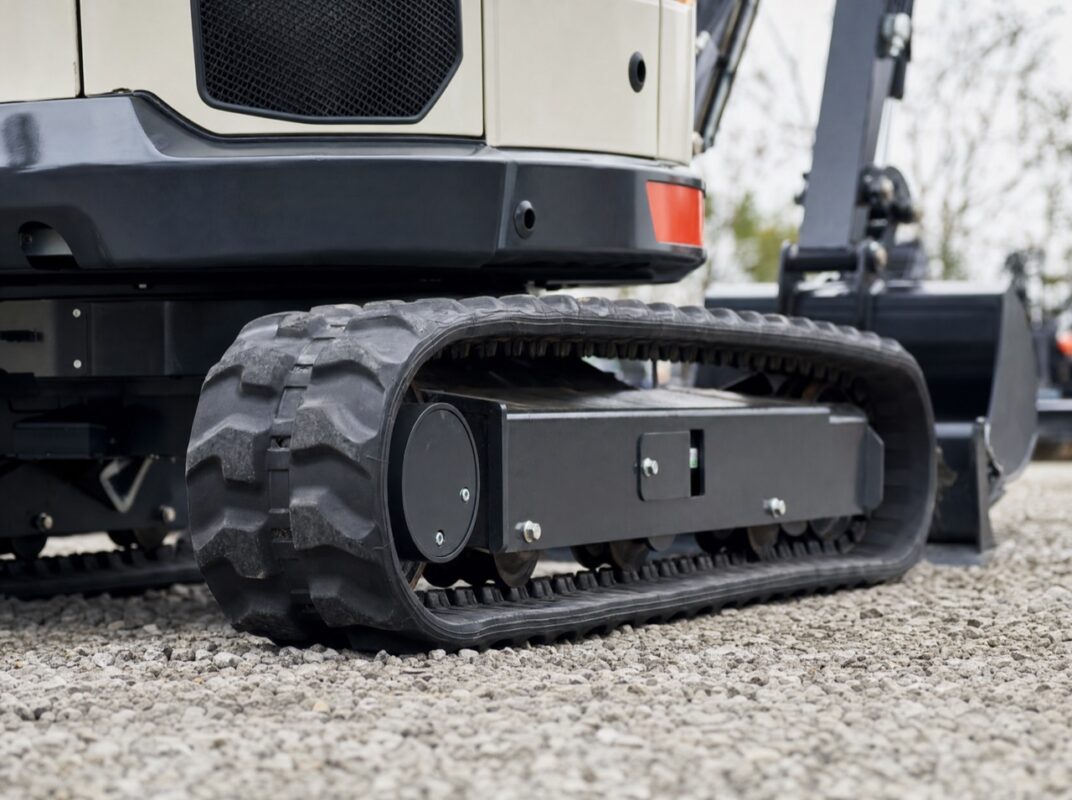
- Walk the tracks: look for cracks, embedded stones, missing bolts, and proper track tension.
- Grease the boom, arm, and bucket pivot points per the lube chart, usually every 8 to 10 hours.
- Clear debris from the radiator screen, oil cooler, and engine bay to prevent overheating.
- Test lights, alarms, controls, and the safety lock lever before moving the machine.
- Check tire or rubber track condition and confirm the bucket teeth and cutting edge are sound.
If anything looks off, fix it before you work. A pin that squeaks today will have play tomorrow, and ignored leaks can drain a hydraulic reservoir faster than you expect.
Weekly maintenance for steady performers
Weekly tasks build on the daily routine and target wear items that change gradually. Set a recurring time, such as Friday afternoon, so the work never slips.
- Clean or blow out the engine air filter and inspect it for tears or oil residue.
- Check and adjust track tension to the spec in your operator manual; over-tight tracks waste power and wear sprockets.
- Inspect the rubber tracks or steel pads for chunking, exposed cords, or bent links.
- Wipe down hydraulic rams and check rod surfaces for scoring that can ruin seals.
- Tighten accessible hardware, including bucket pins, retaining bolts, and counterweight fasteners.
- Top off washer fluid and clean the cab glass and mirrors for clear sightlines.
Monthly and 250-hour service
Once a month, or roughly every 250 hours of run time, step up to deeper service. This is where you protect the engine and hydraulics from long-term wear. Always match intervals to your operator manual, since dusty or heavy-duty work shortens the safe window between services.
Engine and fuel
- Change engine oil and the oil filter using the grade specified for your machine.
- Replace or clean the fuel filter and inspect fuel lines for cracks or weeping.
- Inspect the cooling system, hoses, and clamps; top off coolant with the correct mix.
Hydraulics and undercarriage
- Inspect hydraulic hoses end to end for abrasion, bulges, and fitting leaks.
- Check the hydraulic filter condition and replace at the recommended interval.
- Measure track and sprocket wear, and inspect idlers and rollers for oil leaks or flat spots.
- Grease the swing bearing and any fittings missed in daily lubrication.
Yearly and major-interval service
An annual service, or the major-hour milestone in your manual, is the deep maintenance that keeps a mini excavator reliable for the long haul. Many owners schedule this in the off-season so the machine is ready when work picks up. Budget a full day, or use a qualified technician for the bigger jobs.
- Drain and replace the hydraulic oil and change the hydraulic filter, since contaminated fluid is the leading cause of pump and valve failure.
- Change the final drive (travel motor) gear oil on each track.
- Replace the engine coolant and pressure-test the cooling system.
- Replace fuel and air filters, and inspect the turbo and intake on engines so equipped.
- Inspect and adjust valve clearance per the engine manual, or have it done professionally.
- Service the battery, terminals, and charging system, and check the starter draw.
- Inspect the full undercarriage, swing bearing, and structural welds for cracks or fatigue.
- Update your service log with hours, parts, and dates for warranty and resale.
Replacement filters, fluids, and wear parts are easy to keep on hand. Stocking common items alongside your attachments means you are never waiting on a part during a busy week, and our team offers direct technical support to help you source the right components.
Smart habits that extend machine life
Beyond the checklist, a few operating habits make a real difference. Let a diesel engine idle briefly to warm up before heavy load and cool down before shutdown, especially turbocharged units. Avoid spinning tracks in place, which tears rubber and grinds the undercarriage. Store the machine on firm, level ground with the bucket lowered and the safety lock engaged. Keep it clean: mud traps moisture and hides leaks, while a quick wash after dirty work makes the next inspection far easier.
Frequently asked questions
How often should I grease a mini excavator?
Most manufacturers call for greasing boom, arm, and bucket pivots every 8 to 10 operating hours, or daily under normal use. In wet, sandy, or abrasive conditions, grease more often, because clean grease pushes out contaminants that would otherwise grind your pins and bushings.
When should I change the hydraulic oil?
Follow your operator manual, but hydraulic oil and its filter are typically serviced on a major yearly or high-hour interval. If the oil looks milky, smells burnt, or you have had a component failure, change it sooner. Clean hydraulic oil is the cheapest insurance against costly pump and valve damage.
Can I do this maintenance myself?
Most daily, weekly, and monthly tasks are owner-friendly with basic tools and the manual. Bigger jobs like valve adjustment or hydraulic flushes are best handled by a technician if you are unsure. When you buy from us, that work is backed by a 1-year parts warranty and direct technical support, so help is a phone call away at our contact page.
The bottom line
A disciplined mini excavator maintenance checklist, running from daily walk-arounds to yearly deep service, is what separates a machine that lasts thousands of dependable hours from one that nickel-and-dimes you with breakdowns. Keep up with fluids, filters, grease, and the undercarriage, log your work, and your compact excavator will reward you with strong performance and solid resale value. When you are ready to add a reliable, EPA-certified machine to your operation, explore our mini excavators or browse everything in the full shop, all backed by free freight to the lower 48 and a team ready to help you keep it running.