Blog
Mini Excavator Buying Guide 2026: How to Choose the Right Machine

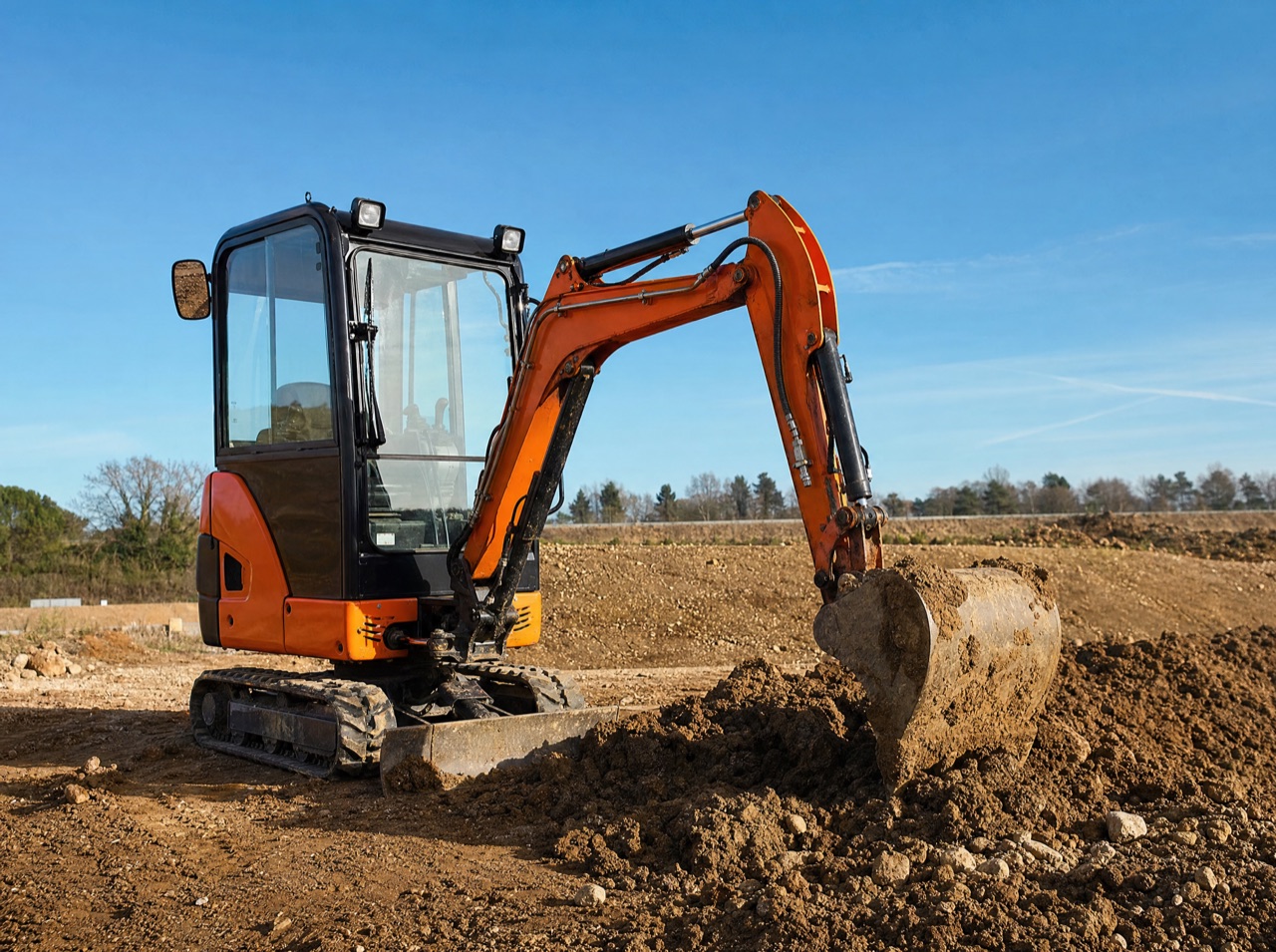
Buying a mini excavator is one of the smartest equipment decisions a property owner, farmer, or contractor can make, but the wrong machine costs you in fuel, frustration, and jobs you simply can’t finish. This mini excavator buying guide for 2026 walks you through every decision that matters, from operating weight and dig depth to controls, engines, and attachments. The goal is simple: help you choose the right machine the first time, so it pays for itself instead of sitting idle.
Start with the work, not the machine
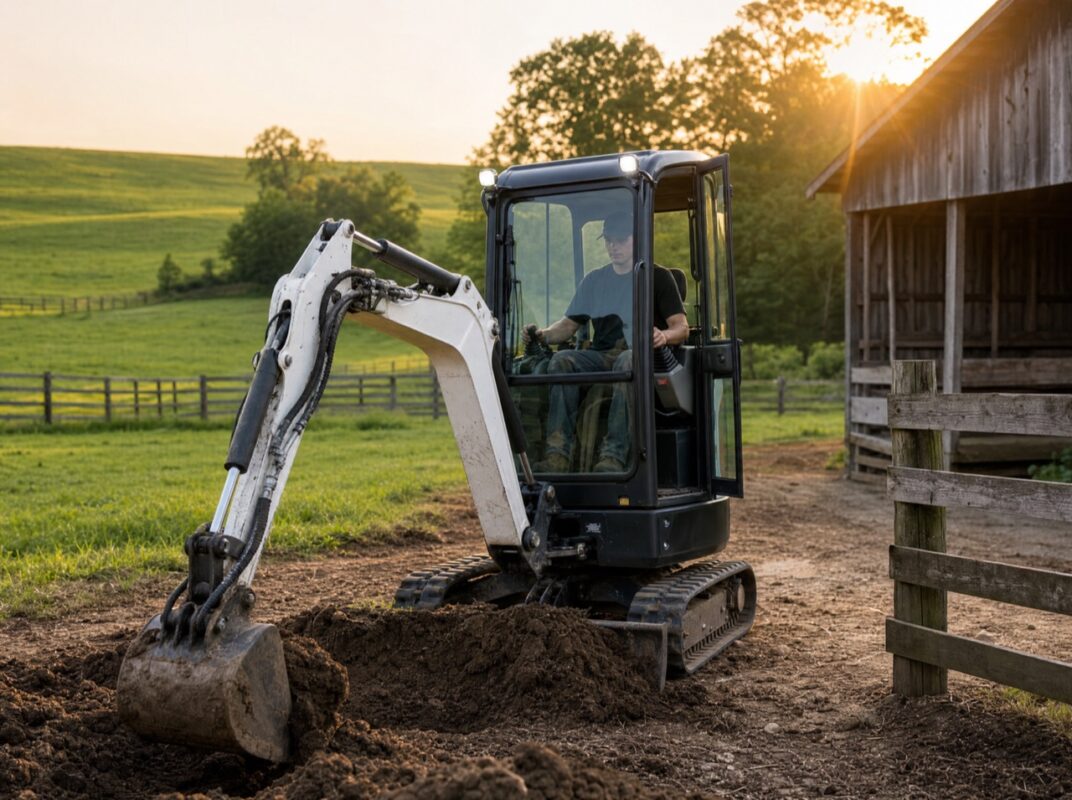
The most common mistake buyers make is shopping by horsepower or price before they define the job. A mini excavator that’s perfect for trenching irrigation lines on a ranch may be far too small for foundation work, and a machine sized for demolition may never fit through a residential gate. Before you compare a single spec, write down what you actually need to do.
- Tasks: trenching, digging footings, grading, landscaping, demolition, stump and rock removal, or utility work.
- Access: the narrowest gate, gap, or path the machine must pass through.
- Ground: soft turf you want to protect, mud, gravel, or hard compacted soil.
- Transport: the trailer and tow vehicle you already own or plan to buy.
Once these are clear, sizing the machine becomes straightforward instead of a guess. You can browse the full lineup on our shop page with your task list in hand.
Mini excavator size classes explained
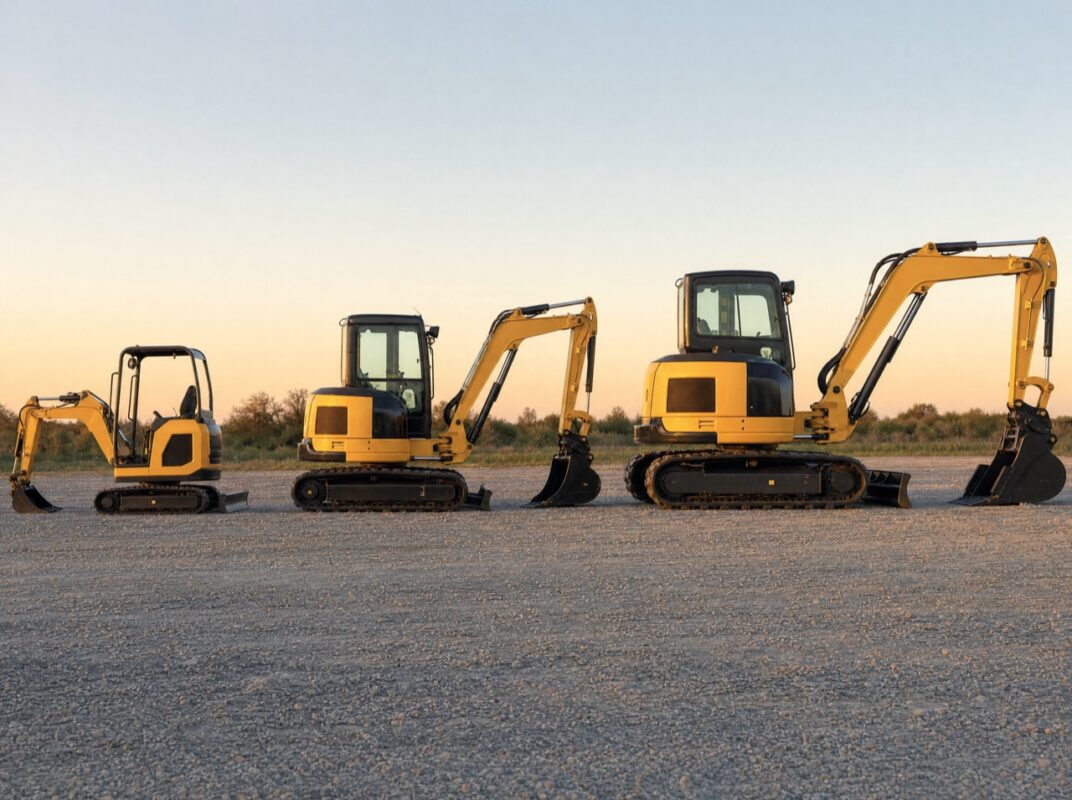
Mini excavators are generally grouped by operating weight, usually from about 1 ton up to 6 tons. Weight is the single best predictor of how much machine you’re getting, because it correlates closely with dig depth, lifting capacity, and stability. Here’s how the classes typically break down for US buyers.
1 to 2 ton: the homeowner and tight-access class
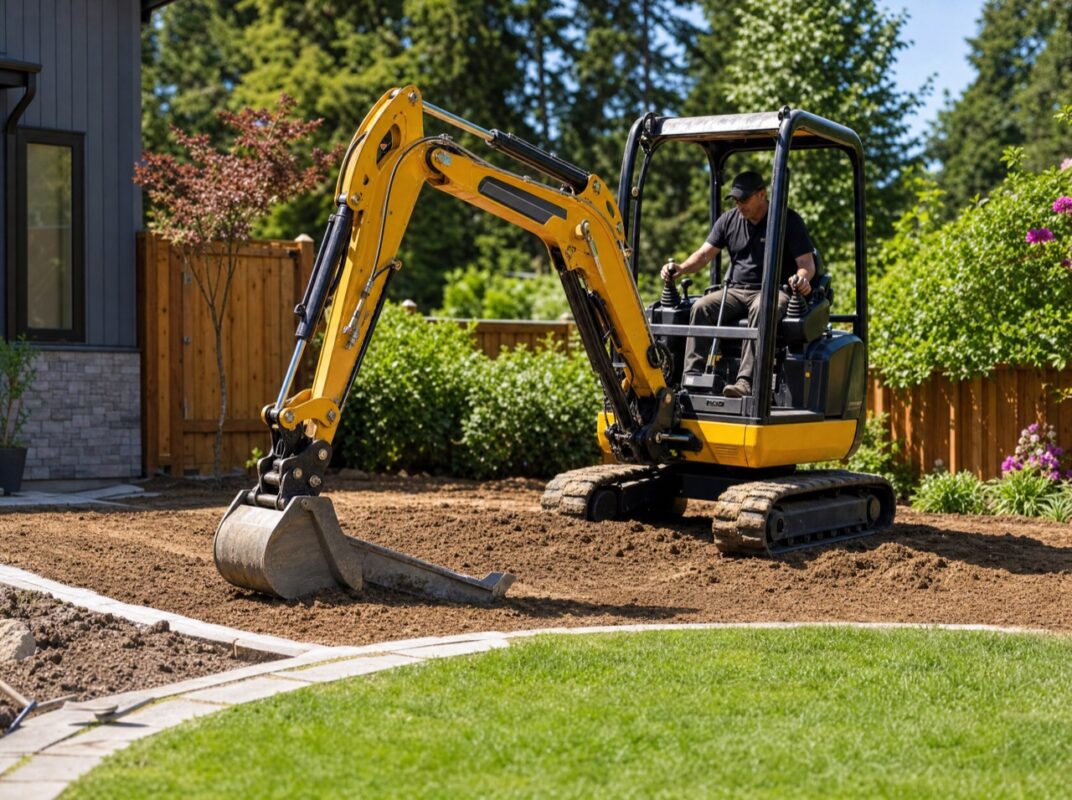
These compact machines shine on residential lots, around landscaping, and anywhere access is limited. Many have retractable tracks that narrow to fit through a standard gate, then widen for stability while digging. They tow easily behind a half-ton truck and protect lawns better than larger units.
2.5 to 4 ton: the all-around workhorse
This is the sweet spot for most farmers, ranchers, and small contractors. You get meaningfully more dig depth and lifting power while staying transportable on a common trailer. If you do a bit of everything, a machine in this range is usually the safest first purchase.
5 to 6 ton: the production class
When you’re digging footings, handling heavier attachments, or working full days on bigger sites, the larger class delivers the reach, breakout force, and stability to keep pace. You’ll want a heavier trailer and a capable tow vehicle, so factor transport into the decision. Compare the options across our mini excavators category to see how the classes line up.
The specs that actually matter
Spec sheets can overwhelm you, but only a handful of numbers truly change how a mini excavator performs day to day. Focus on these.
- Operating weight: the foundation spec, driving stability, transport, and ground pressure.
- Maximum dig depth: how deep the bucket reaches; match it to your deepest trench or footing.
- Maximum reach: horizontal reach at ground level, which determines how much you can dig without repositioning.
- Bucket breakout force: the digging power at the bucket; higher force handles hard or rocky ground.
- Dump height: how high you can lift and clear a truck bed or pile.
- Engine power and emissions: enough power for sustained work and EPA certification for legal use.
A useful rule of thumb: choose a machine whose maximum dig depth comfortably exceeds your deepest planned trench, because digging at the very limit of a machine’s reach is slow and hard on the equipment.
Why the engine matters
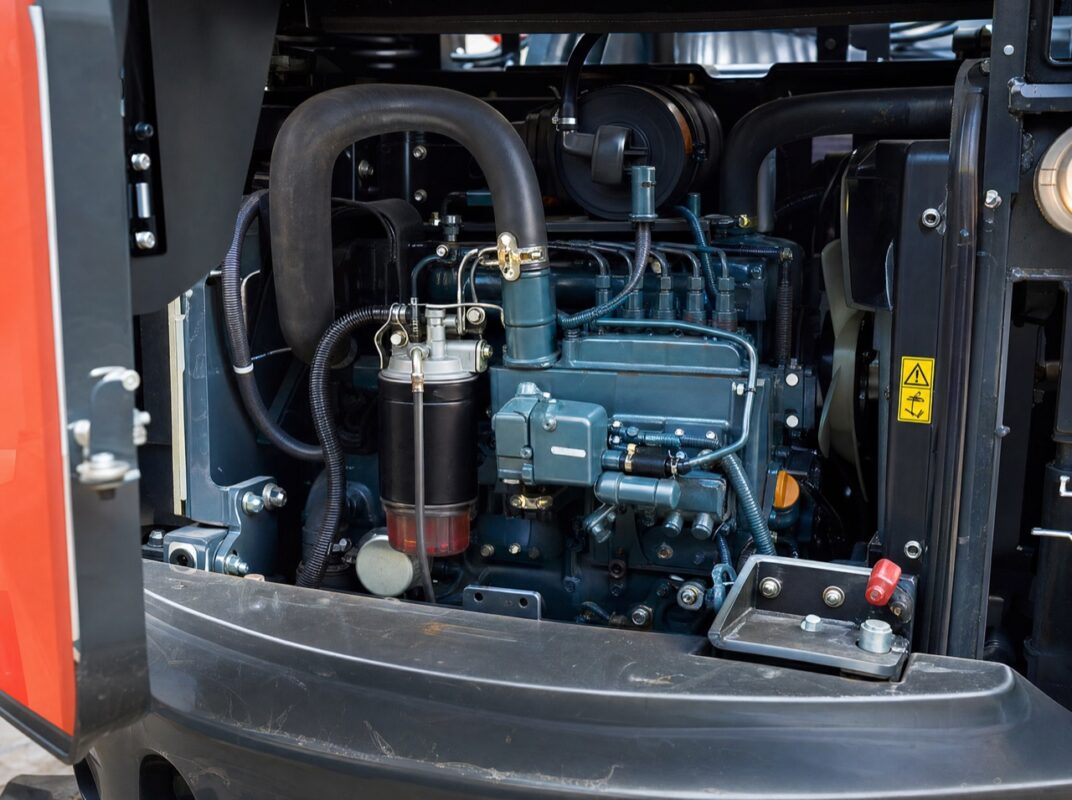
The diesel engine is the heart of any mini excavator. Many quality machines run genuine Kubota diesel engines, which are widely respected for reliable starting, strong torque at working RPM, and long service life when maintained. A dependable diesel means consistent hydraulic performance and fewer surprises on the job. Every machine we sell is EPA-certified, so you can operate confidently and legally across the lower 48.
Tracks, tail swing, and controls
Beyond raw numbers, three design choices shape how comfortable and capable a mini excavator feels.
Rubber tracks vs. steel
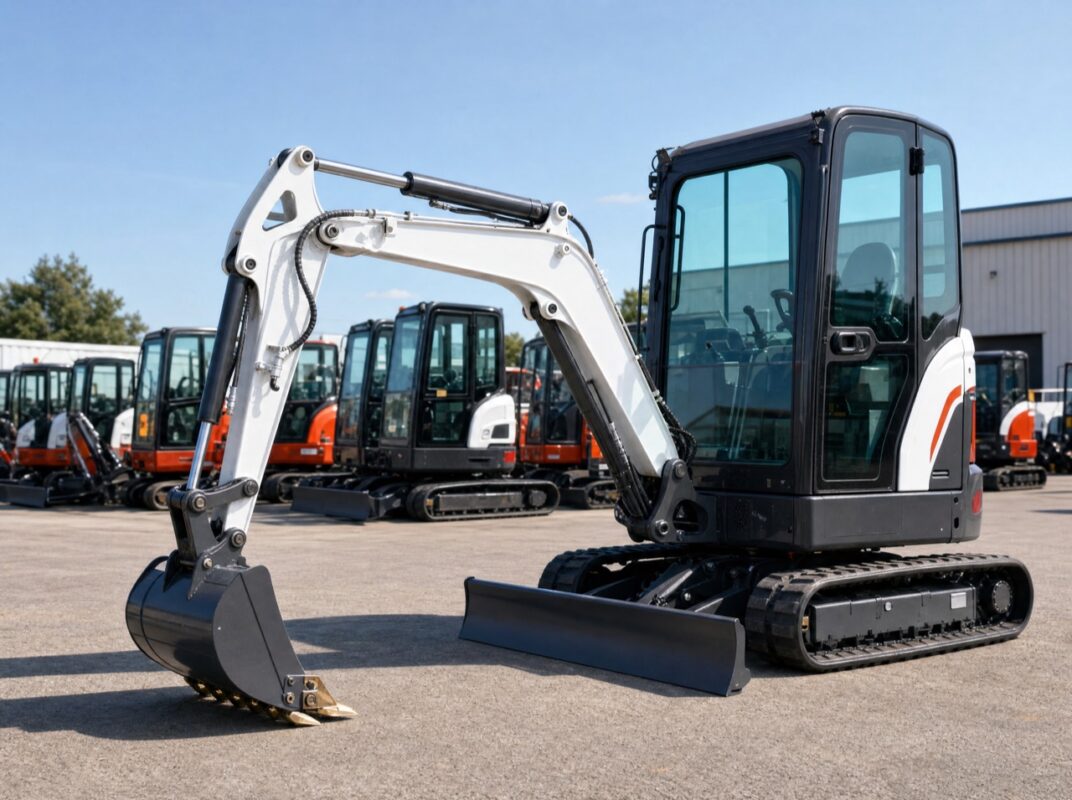
Most mini excavators ship with rubber tracks, which protect finished surfaces like driveways and lawns, run quietly, and ride smoothly. Steel tracks suit abrasive, rocky, or demolition environments where durability outranks surface protection. For mixed work, rubber tracks are the practical default.
Zero and reduced tail swing
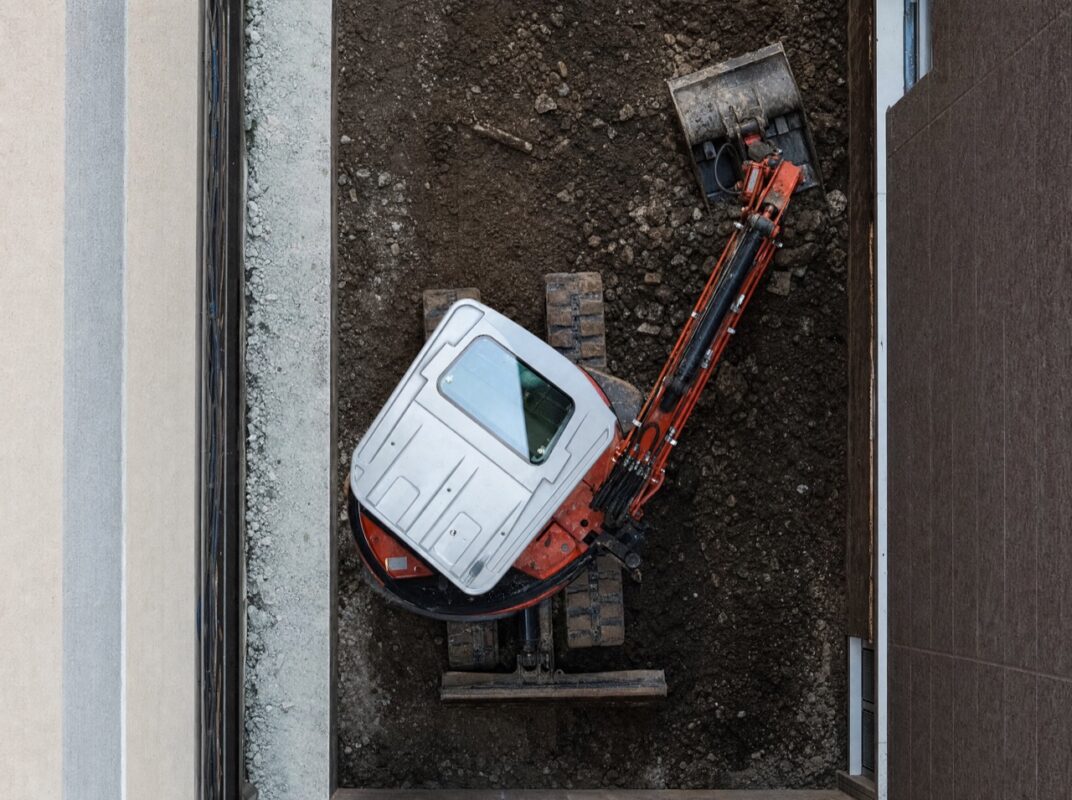
A zero or reduced tail-swing design keeps the rear of the machine inside or nearly inside the track width as it rotates. That’s a major advantage when working next to walls, fences, or in tight urban lots, because you can spin the cab without clipping obstacles behind you.
Pilot vs. mechanical controls
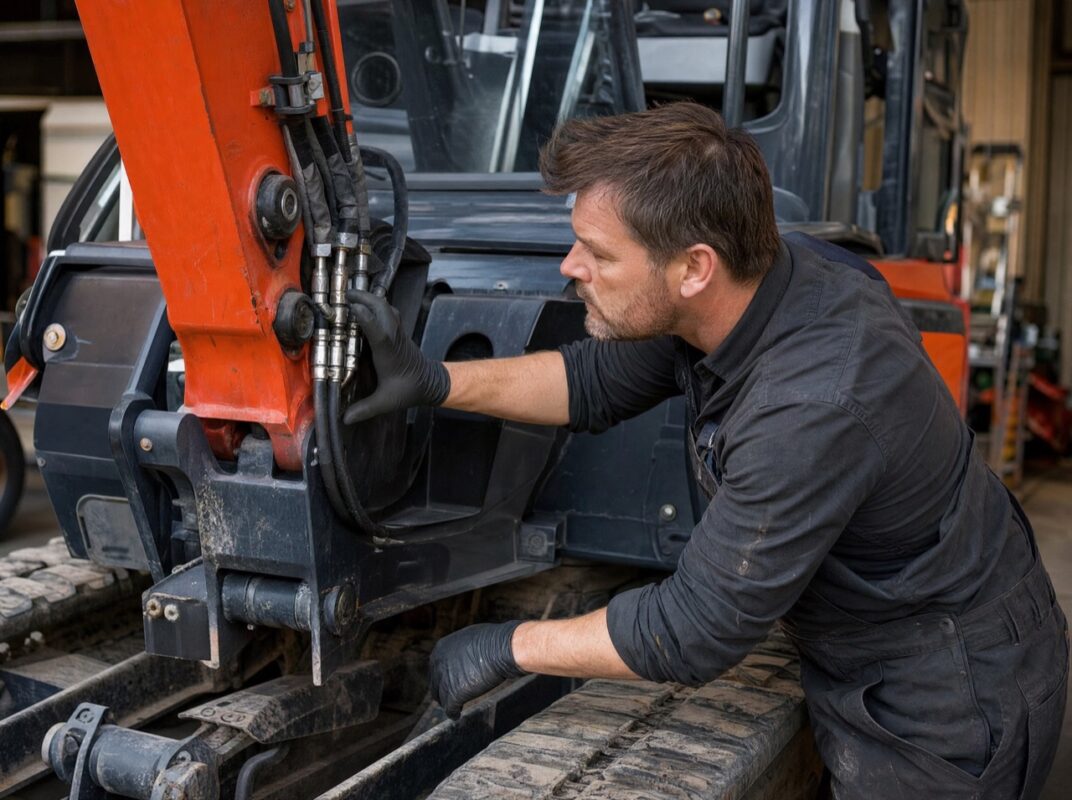
Hydraulic pilot controls are smoother and less fatiguing over a long day than older mechanical linkages. If you’ll spend hours in the seat, prioritize a machine with responsive pilot controls and an auxiliary hydraulic circuit so you can run attachments.
Attachments multiply what one machine can do
An auxiliary hydraulic line turns a single mini excavator into a small fleet. The right attachments let you tackle far more without buying another machine, which is where much of the long-term value comes from. Common, high-value options include:
- Augers for post holes, fencing, and footings.
- Hydraulic breakers (hammers) for concrete and rock.
- Grapples for brush, logs, and demolition debris.
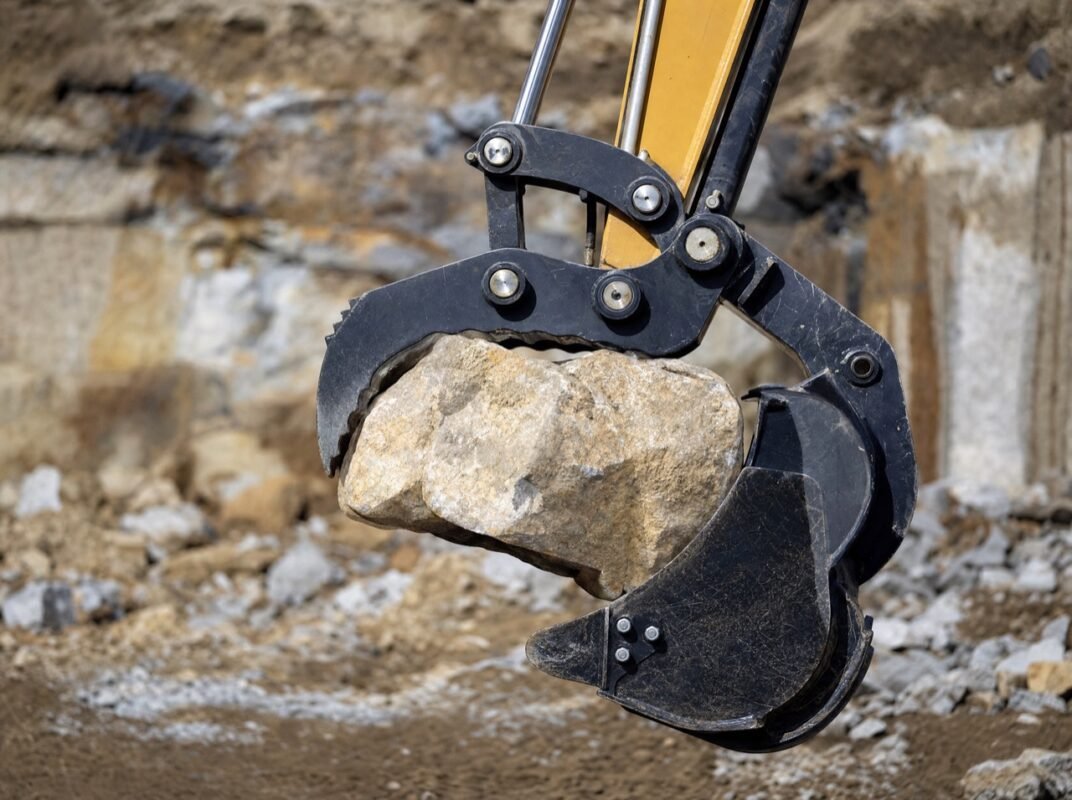
- Thumbs to grip rocks and material alongside the bucket.
- Compaction plates for backfilling trenches.
- Trenching and grading buckets in various widths.
When you buy, confirm the machine has auxiliary hydraulics and a quick coupler so swapping tools takes seconds. You can explore compatible tools in our attachments category and plan a setup around your most frequent jobs.
Your pre-purchase checklist
Before you commit, run through this practical checklist to make sure the machine fits your work, your transport, and your budget.
- Does the dig depth exceed my deepest planned trench or footing?
- Will the machine fit through my tightest access point?
- Can my truck and trailer legally haul its operating weight?
- Does it have auxiliary hydraulics for the attachments I need?
- Is the engine EPA-certified and well supported for parts?
- Are rubber or steel tracks right for my typical ground?
- Does the tail-swing design match how tight my work areas are?
- Is there a clear warranty and a real person to call for technical help?
- What’s the total delivered cost, including freight?
On that last point, we offer free freight shipping to the lower 48 states and back every machine with a 1-year parts warranty plus direct technical support, so the price you see reflects the value you get. You can review the details on our shipping and delivery page.
Frequently asked questions
What size mini excavator do I need for general property work?
For mixed residential, farm, and ranch tasks, a machine in the 2.5 to 4 ton class is usually the best all-around choice. It offers enough dig depth and lifting power for footings and trenching while staying easy to transport. If access is very tight or you mostly do light landscaping, step down to the 1 to 2 ton class.
Are Kubota diesel engines worth prioritizing?
Yes. Genuine Kubota diesel engines are known for reliable cold starts, strong low-end torque, and long service life, which translates into steady hydraulic performance and lower downtime. A proven engine is one of the best predictors of a machine you’ll keep running for years.
Can one mini excavator handle digging, demolition, and grading?
It can, as long as you choose a unit with auxiliary hydraulics and a quick coupler. By swapping between a bucket, breaker, grapple, and grading attachment, a single well-sized machine covers all three jobs without a second purchase.
The bottom line
The right mini excavator is the one matched to your real workload: sized for your deepest dig and tightest access, built around a dependable diesel engine, and ready to run the attachments your jobs demand. Use this 2026 buying guide as your framework, work through the checklist, and you’ll choose with confidence instead of regret. When you’re ready, browse our mini excavators or explore the full lineup on the shop page, and reach out anytime at +1 (213) 800 9299 or sales@kubotaexcavator.com for straight answers before you buy.